Peco upgrades in West Philly are paused after residents say trees will face ‘butchery’
Councilmember Jamie Gauthier said the project to restore power to numerous residents must get done.
A Peco power project in West Philly that Councilmember Jamie Gauthier described as “critical” for the neighborhood has been delayed, after residents expressed outrage at the electric utility’s plans to trim their beloved tree canopy.
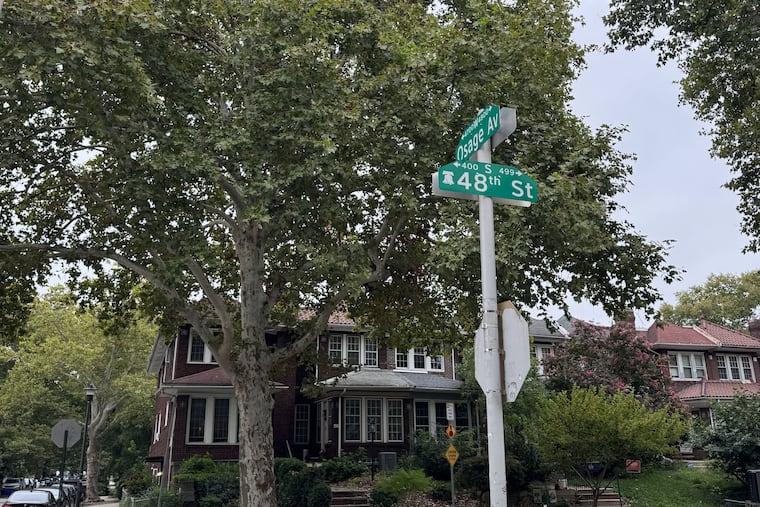
Residents near the 400 block of South 48th Street received flyers from Peco in early August, explaining that the utility would soon begin a power infrastructure project involving the installation of electrical poles and wire, and trimming large trees draping over the street. It was the first they’d heard of the project, according to block captain Jonas Maciunas.
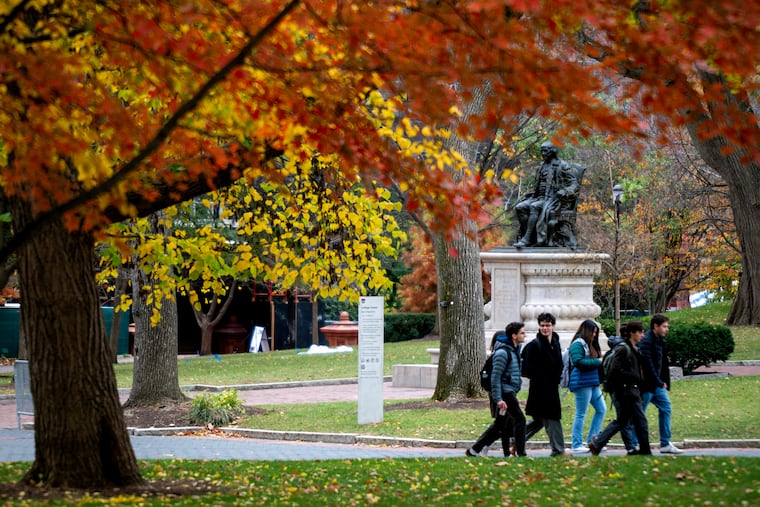
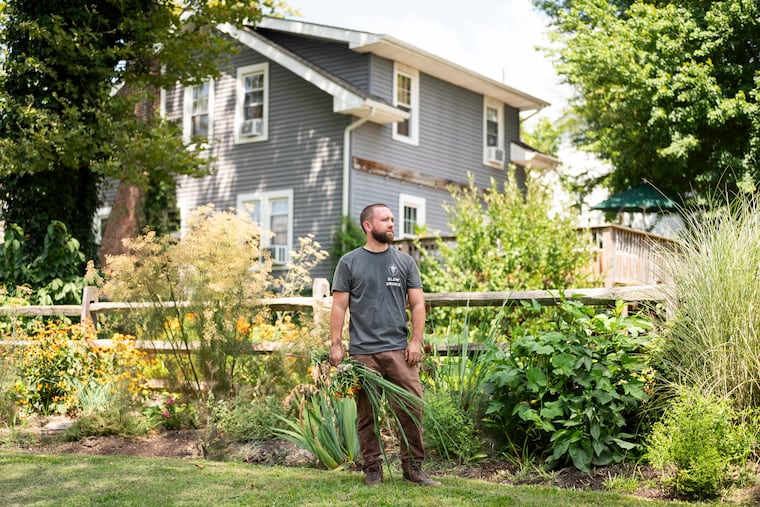
“Right now the place that is our home, the creation that we’re taking care of, is being unilaterally changed against our will,” Maciunas, 42, said. The Garden Court street’s tree canopy is one of the draws for living in the neighborhood, and Maciunas said he believes that feature would be ruined by the project and ongoing maintenance.
“That’s butchery … over time, this is a death sentence,” he said of the tree trimming.
But residents are in dire need of the new infrastructure. Over the hottest days of this summer, Gauthier’s office began hearing from people living in apartments at 48th Street and Osage Avenue about extended power outages. For the better part of a year, they’d experienced several days-long outages in the summer and the coldest parts of the winter.
Gauthier said it surprised her to learn Peco had not adequately communicated with these residents about the problems and why temporary fixes had continued to fail.
Looking for answers
The area near 48th Street and Osage Avenue is served by an aging, four-kilovolt infrastructure, according to Peco spokesperson Candice Womer. Peco’s modernization plan would transition residents to a modern 13-kilovolt distribution system, which is designed to be more resilient, more reliable, and reduce the frequency and impact of power outages.
Gauthier said she contacted Peco after hearing about the outages, and learned the utility already had plans for a $15 million modernization plan that would improve power access for a large portion of West Philly. Those plans have been under development since at least 2023, but have yet to break ground. Gauthier implored Peco to accelerate the plan for a smaller portion that would cover these 48th and Osage residents, and it agreed.
The expedited plan, which will cover roughly 1,000 residents, involves installing or replacing 10 power poles, and installing 450 feet of new wire and related equipment along 48th Street. It’s unclear how many trees would be need to be trimmed to accommodate the new infrastructure, and how much wider the scope of the full plan is. Womer said the upgrades would better support future anticipated energy needs for electric vehicles, solar energy, and other electricity demands.
After residents received the flyers from Peco stating installation would begin the following week, some contacted Gauthier’s office in confusion and anger. She asked Peco to pause its plans, and organized a community meeting last week with the utility so residents could learn and ask questions about the project. It did not go well, both Mathias and Gauthier said. Peco representatives provided little information, they said, and could not answer questions in a satisfactory manner.
“I don’t understand Peco’s communication. I don’t understand their response, and I don’t understand the lack of ownership for allowing this to become such a big, urgent problem,” Gauthier said.
Womer said Peco appreciated the feedback it has received from residents and community stakeholders, but noted that it does not include a public engagement process for every one of its projects.
“While we welcome community feedback and consider it when evaluating project implementation, our responsibility is to ensure we continue providing safe and reliable electric service to our customers,” Womer said by email.
In particular, Gauthier said she and residents did not receive an adequate explanation from Peco as to why the new power lines need to be built aboveground, when areas like Center City use underground power lines. Womer said Peco evaluated alternatives, but determined the underground system in the area had no capacity for the new lines and infrastructure without major construction.
“The aerial solution provides the most timely and cost-effective path to improving reliability while minimizing overall construction duration and disruption,” Womer said.
Top priority
Gauthier is attempting to thread the needle of satisfying all of her constituents. She said the concerns of the aesthetically concerned homeowners are valid. So too are those without power, some of whom asked Peco at the community meeting to reimburse them for food that has been spoiled as a result of the failing electricity.
There is no precise timeline for the accelerated plan to resume. Gauthier is arranging for Peco to speak at another community meeting in the near future, where she expects them to have more answers for residents upset by the new infrastructure plan. But ultimately, she said the need for reliable power has to come first.
“I understand the concerns around the trees,” she said, but ”we have to get this project done."