Pennsylvania needs a comprehensive paid leave law
After lagging far behind its neighbors, the commonwealth finally has a blueprint to enact fair policies on women’s health, pregnancy, childcare, work, domestic violence, and other issues.
Molly Weston Williamson is a senior fellow at the Center for American Progress. She lives in Philadelphia with her family.
This month, Gov. Josh Shapiro’s Advisory Commission on Women released its long-awaited report, setting forth policy priorities for the women of the commonwealth.
Based on more than a dozen listening sessions, thousands of survey responses, and months of public input, the report — first of its kind in over 20 years — enthusiastically endorses a policy the women and men of Pennsylvania have been demanding for years: paid leave. Pennsylvania lawmakers must heed this call and finally pass a comprehensive law.
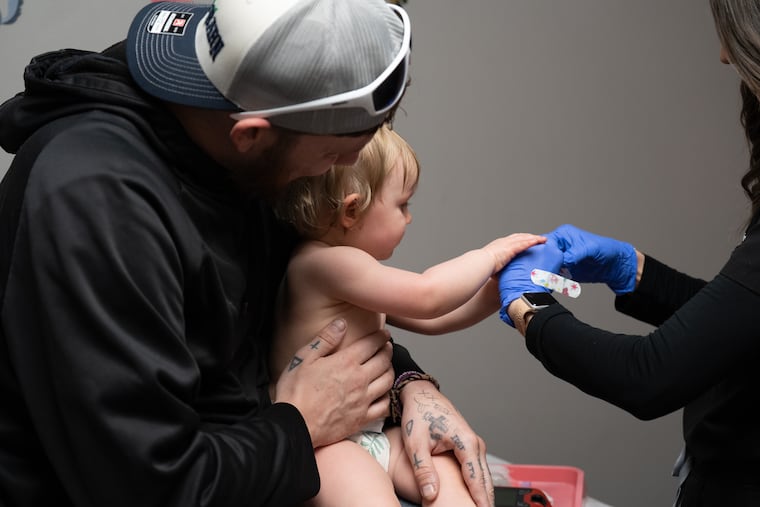
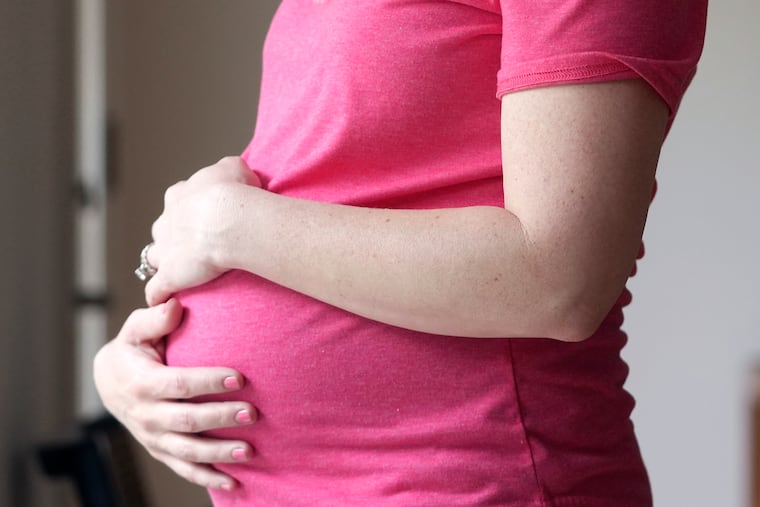
We need paid leave to support Pennsylvanians through pregnancy and parenting. In the commission’s survey, 61% of applicable respondents identified paid leave as a pregnancy or postpartum challenge, making it the top concern in that category. Paid leave means rural Pennsylvanians can travel to access care and reach the hospitals and health providers they need. It means parents have time to recover and bond without compromising their family’s security. And amid a maternal health crisis, it means healthier mothers and babies — even lives saved.
We need paid leave to respond to violence. Seventy-eight percent of the commission’s survey respondents said they or a woman they know is a survivor of violence. As recent Center for American Progress research highlights, “safe leave” — time off to address the impacts of domestic, sexual, and other forms of violence — is a powerful tool for supporting survivors that many states across the country have already adopted. Pennsylvania should follow their lead. Even broader paid leave acts as a vital anti-violence resource, reducing intimate partner violence as well as potentially fatal pediatric abusive head trauma.
We need paid leave for our families’ financial security and our economy. Each year, Pennsylvania loses more than $2 billion in wages alone due to unpaid or partially paid leave. Especially for women, paid leave makes it possible to stay in the workforce while welcoming children and caring for loved ones, strengthening economic security now and in the future. For the growing number of Pennsylvanians who are self-employed or run small businesses, it also fuels entrepreneurship and a thriving local economy.
Every day without paid leave carries an unfathomable cost — in sleepless nights and skipped bills, in lifesaving care delayed, in first steps and last breaths missed.
As it stands, the commonwealth is lagging far behind its neighbors. Fourteen states and the District of Columbia have already enacted paid leave laws, including New Jersey, New York, Delaware, and Maryland. For too long, Pennsylvania businesses have had to pay out of pocket for the proven bottom-line benefits of paid leave that their competitors in Camden and Wilmington get at a fraction of the cost — or else lose out on recruiting and retaining talent. And for too long, Pennsylvania workers have rushed back to work after giving birth or skipped essential medical care, when a job just across the river or over the state line would guarantee these life-changing protections.
For years, Pennsylvania has come tantalizingly close, with bills passing the House and advancing in the Senate just this year. Every day without paid leave carries an unfathomable cost — in sleepless nights and skipped bills, in lifesaving care delayed, in first steps and last breaths missed.
Now is the time to write a bold new chapter in the commonwealth’s history by finally passing paid leave for all Pennsylvanians.
About guest essays
Guest essays, or op-eds, are commentary pieces that present the opinion or perspective of the author. Many are submitted to us by Inquirer readers and writers with insight on the news, but we also solicit op-eds from authors on specific topics. For more information visit our guidelines.