Schools to pare K-3 class sizes
Thirty teachers will be sent to the 54 lowest-performing schools. "It's about helping kids," the district CEO said.
Although Philadelphia school officials still are trying to balance the district's $2.18 billion budget, they announced yesterday a plan to reduce class sizes this fall in kindergarten and primary grades at the 54 lowest-performing elementary schools.
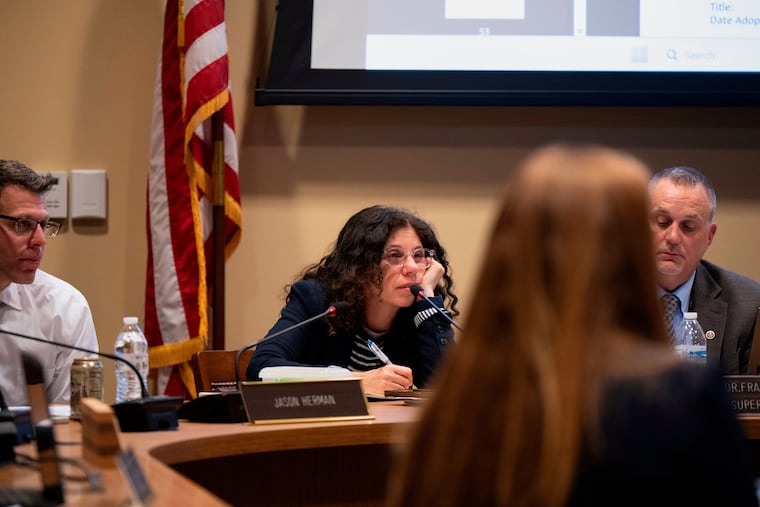
"It's about helping kids in classrooms," Tom Brady, the district's interim chief executive officer, said after yesterday's School Reform Commission meeting, where the plan was presented.
William Harner, deputy to the CEO, said assigning 30 teachers to those schools would reduce the average size to 20 pupils in kindergarten and to 22 in first through third grades. Some of the 54 schools, he said, already have small classes in their lower grades. He said it was the start of a five-year plan to reduce class size in kindergarten through third grade in all district schools.
Most district elementary schools had between 21 and 24 students per class last year, although primary grades at some schools had as many as 28 or 30 students.
All 54 schools have not met the academic standards of the federal No Child Left Behind act for several years.
He described the $2.5 million initiative as an investment aimed at helping students get off to a good start. Research has shown that small class size in the early grades not only helps boost test scores but also saves money in the long run on special education, alternative education and dropout prevention.
The 30 teachers will come from the 100 teaching positions the commission restored to the budget in April. The district will use the other 70 positions to try to eliminate split grades in schools across the city.
Though research on the effects of class size on student performance is less conclusive for higher grades, Harner said, the impact on kindergarten and first through third grades is "overwhelming."
The district tried to reduce class sizes a few years ago, but classes have grown in recent years as jobs have been cut.
During budget sessions this spring, the five-member commission asked staffers to examine the class-size-reduction issue and determine how much it would cost to make classes smaller for young students. Harner said his office found that most of the schools with the lowest test scores had larger classes than those schools where scores were improving.
Also yesterday, district officials said that administrators had achieved about half the $98.6 million in cuts that were outlined in the May budget.
For example, the district saved $2.4 million on summer-school curriculum but is still negotiating with alternative-school providers to save $2 million.
Commission member Martin Bednarek said the district would discuss further budget-reduction plans at its meeting next week, when it should have more information on how much it will receive from the city and the state.