Inquirer Editorial: It isn't just unemployment
As President Obama and Congress debate how to provide jobs for the unemployed, they also need to step up efforts to fix problems resulting from the mortgage crisis, which is at the core of the nation's continued economic malaise.
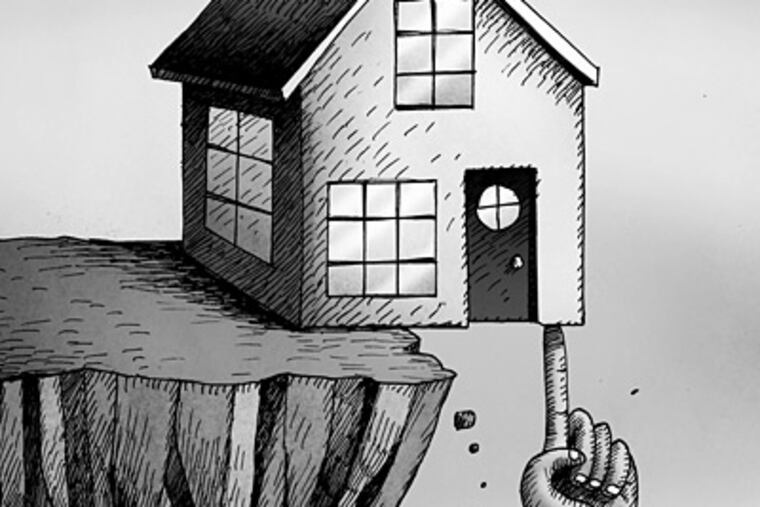
As President Obama and Congress debate how to provide jobs for the unemployed, they also need to step up efforts to fix problems resulting from the mortgage crisis, which is at the core of the nation's continued economic malaise.
Repercussions of the bad-loan binge are costing thousands of jobs in the banking industry. Bank of America announced last week that it will cut at least 30,000 jobs, and other banks also have plans to lay off large numbers of workers. That is on top of the jobs already lost as a result of the housing bust.
At the same time, almost a fourth of the nation's homeowners either face foreclosure or own homes that are under water because the mortgage exceeds the house's value. That debt has robbed homeowners of the ability to play their roles as consumers whose spending is needed to rouse the listless economy.
Unless consumers spend more, the economy won't wake up.
The president has noted that lower interest rates will help homeowners refinance outlandish mortgages and cut their monthly payments, which will free money for other spending.
But lower rates aren't enough, which is why it's good to see the administration promise changes in its disappointing mortgage modification program, which has helped only 838,000 of a targeted 5 million homeowners. It's past time for an overhaul of this program, especially since August saw a 7 percent increase in foreclosures nationally, compared to July.
More foreclosures are certainly on the way in New Jersey, where the state Supreme Court lifted its foreclosure moratorium after assurances from lenders that they would end their disgraceful practice of taking homes by using false or inadequate documentation.
The Obama administration says it wants to help more of the millions of "responsible homeowners" with mortgages worth more than their houses. Right now, the government will help a homeowner refinance a mortgage that's up to 125 percent of the home's value, but the administration says it may raise that ceiling.
That's a good idea that could help a lot of families. But caution is essential. The government must stick to the strictest definition of "responsible," ensuring that only those truly able to repay their loans will get the break, which should include help with fees.
Part of this program's past troubles came from lenders' being unwilling to modify loans. But they helped create the problem by granting so many loans that went sour, so they should be part of the solution. Lenders can't be allowed to sit on their hands, rather than participate in programs that could go a long way toward reviving their industry.
The housing foreclosure crisis has worn down the economy. Only by treating its causes, and not just the symptoms, can there be hope for long-term recovery.