Three keys to prosperity
By Matthew Rousu For Pennsylvania's economy, 2014 was a good year. The unemployment rate fell, and few new impediments to working were created by our state lawmakers. Looking ahead, here are three recommendations for elected officials in Harrisburg to help make 2015 prosperous.
By Matthew Rousu
For Pennsylvania's economy, 2014 was a good year. The unemployment rate fell, and few new impediments to working were created by our state lawmakers. Looking ahead, here are three recommendations for elected officials in Harrisburg to help make 2015 prosperous.
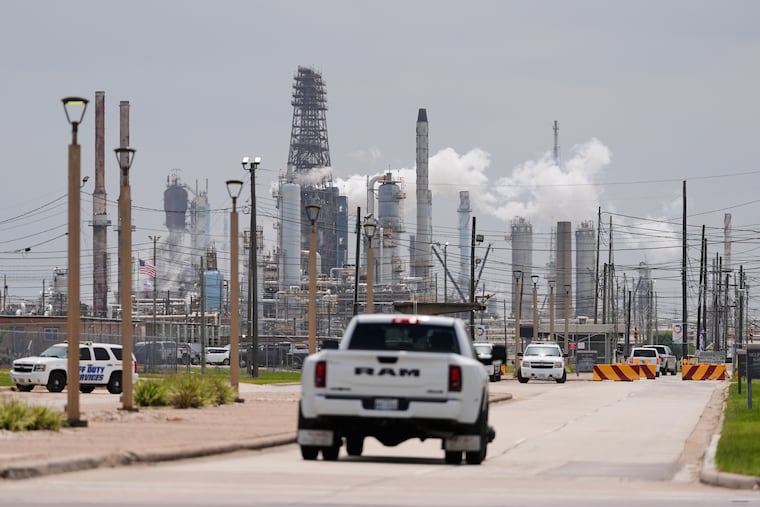
Do NOT implement a severance tax or increase taxes on gas drillers. Gas drillers already pay taxes into counties, known as an impact fee. A higher tax, naturally, might raise more revenue. Or not. It depends on how big the recommended tax is. The problem with a larger tax is that it makes drilling less profitable. If the profitability of fracking declines, companies will be less likely to frack, resulting in lost jobs. If fracking declines, the higher tax rate would thus actually lead to lower tax revenues from fracking. Lower natural-gas output could then lead to higher natural-gas prices.
Privatize state liquor operations. If the government monopoly on retail sales ends, and grocery and convenience stores are allowed to sell alcohol, the overall amount of alcohol sold likely wouldn't change much. The number of workers needed to sell this alcohol would decrease, however, and this gives lawmakers options. If they want to keep the same amount of revenue from liquor sales, they could set tax rates that allow this. Prices should still drop for consumers because monopolies - particularly government monopolies - are incredibly inefficient. On top of this, the government could receive a one-time windfall from the sale of liquor licenses. By privatizing liquor, Pennsylvania would see the same or more tax revenue. Consumers would have more money as well, in addition to having the convenience of being able to purchase liquor at grocery and convenience stores.
Make Pennsylvania a right-to-work state. Becoming a right-to-work state means workers wouldn't be forced to join a union or pay union dues against their will. This would have several positive effects. First, individuals who opt out of union membership would have more money to spend in Pennsylvania, instead of on dues going out of state. Second, taxpayers could save money if districts reduce salaries by an amount less than what teachers save by not paying dues - thus teachers still receive more money. Districts could use the savings to expand programs or cut back on expenses - or both. Third, less funding to unions helps schools. Teachers' unions engage in many activities that have hurt the education of our children, including fighting school choice (both vouchers and charter schools), opposing the firing of bad teachers, and encouraging strikes. If teachers exercise a newfound freedom to drop out of unions, there will be less disruptive behavior by teachers' unions.
By keeping tax rates low, privatizing liquor operations, and making Pennsylvania a right-to-work state, lawmakers would be doing what they can to make 2015 a prosperous year.