Even with skill games money in the governor’s race, Stacy Garrity will not hit the jackpot | Shackamaxon
Plus: Explanations lacking in Academy closure, preventing gas shutoffs is misguided, and Jeffery “Jay” Young Jr. doth protest too much.

This week’s edition of Shackamaxon reflects on the closure of the Academy of Natural Sciences museum, City Council’s misguided efforts to restrict Philadelphia Gas Works, a last-minute cash infusion in the governor’s race, and how people argue when they know they are wrong.
Confusing closure
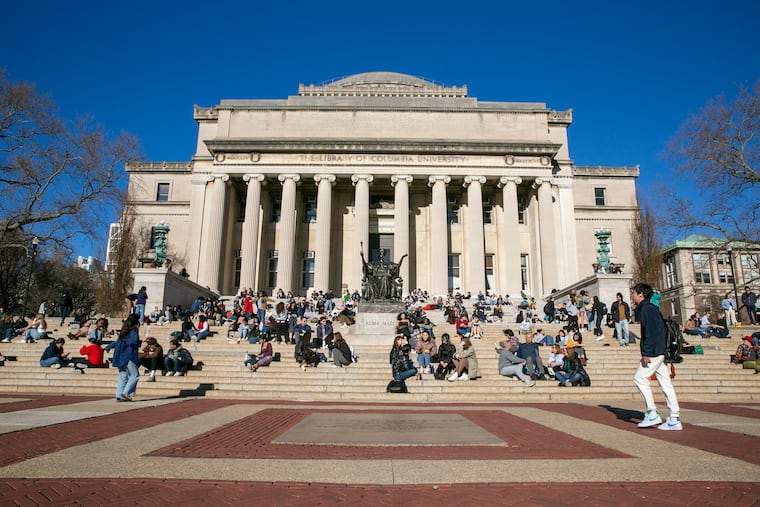
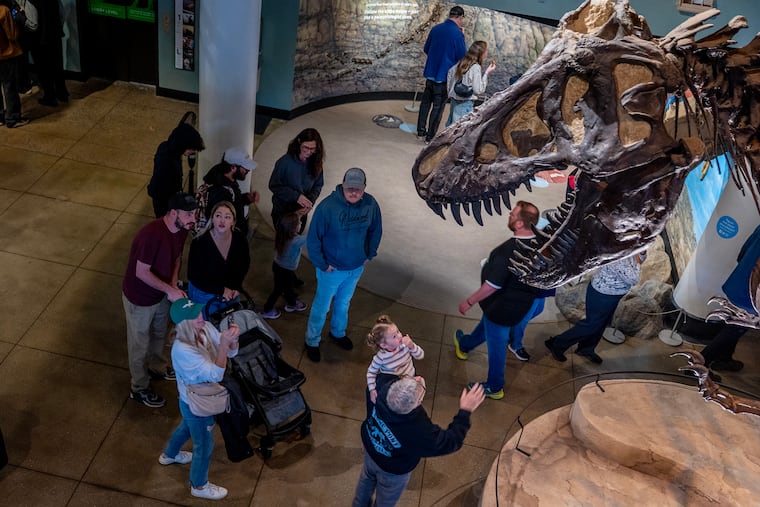
On Monday, City Council held its long-awaited hearing into the closure of the Academy of Natural Sciences museum on the Parkway. Throughout the discussion, one question kept popping into my brain: “Why is this building closed?”
Nothing in the proceedings provided a satisfactory answer.
Yes, it is true that the building needs significant work, that both Drexel and the Academy are struggling financially, and that shutting down the public-facing side would save millions of dollars. It is just as true that for the average Philadelphian, the museum is the Academy of Natural Sciences. Without the ability to see the collections ourselves — where they belong in the historic building on the Parkway — the benefits of hosting the Academy are much less clear.
Unfortunately, city and state leaders do not seem to understand this sentiment. Deputy Mayor Trish Wellenbach, who has been appointed to advise the Academy, did not attend the hearing. The Parker administration issued a statement saying that “the critical work to preserve the Academy’s educational mission is ongoing.” Of course, to most of us, opening the building to the public is at the core of that mission.
Even more mystifying is the failure to accept the help offered by the William Penn Foundation to keep the museum open while options are explored, or to notify the wider public of the institution’s fiscal needs before insisting on a quick closure. This left many museum fans unable to visit before the doors shut on Sept. 27.
Many speakers cited the influence of Academy CEO Scott Cooper as a negative for the institution. Former employees said Cooper did not appreciate the museum’s charms, echoing reporting in Philadelphia Magazine and my own conversations with sources on the matter.
Cooper apparently preferred talking about art and architecture to dinosaurs and dioramas, and moved the museum away from its core audience of children and families. In a particularly bizarre decision for an institution with millions of dollars’ worth of deferred maintenance, Cooper spent $3 million on an art gallery no one had ever asked for. It replaced the museum’s reading room, which had actually brought visitors, and their money, to the museum.
Additionally, simply moving the collections to a new location is not a panacea. As many panelists testified, these are delicate artifacts that require specialized transportation and storage. This means moving itself would likely cost many millions of dollars.
Council members also seemed mystified by the lack of clarity from Drexel and the Academy. The hearing represented a strong reminder of how important their oversight role can be.
Running on fumes
But while Council giveth, it also taketh away. Members are working to prevent Philadelphia Gas Works, the city-owned gas utility, from shutting off heat for residents. Citing a 39% rise in shutoffs, 4th District Councilmember Curtis Jones Jr. introduced a resolution that calls for hearings into PGW’s shutoff procedures.
Jones, who will likely face a reelection challenge next year, cast the move as a way to combat affordability concerns. But there’s a big problem with his logic: restricting shutoffs could lead to higher costs for paying customers.
A city-owned utility, PGW does not earn a profit. It also cannot shut off anyone’s heat during the winter. There are no shareholders hoping for dividends. There’s also an existing pathway to protect access to heating. Ratepayers already contribute roughly $100 million per year to cover the heating needs of the neediest Philadelphians, which is around $150 to $200 per year per paying household. According to PGW sources, covering the cost of the shutoffs would add approximately $43 million to the total, a 40% increase in subsidy costs.
I’m all for helping our neediest neighbors stay warm, but eligibility for this assistance should remain tied to incomes, not payment status.
All in
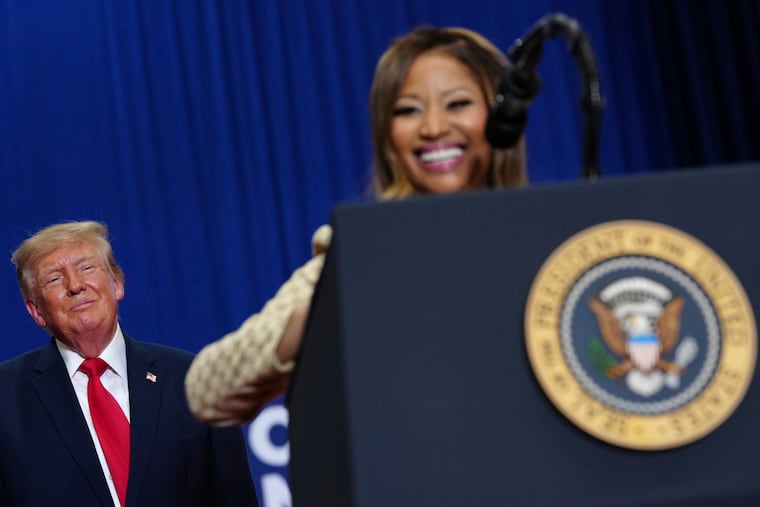
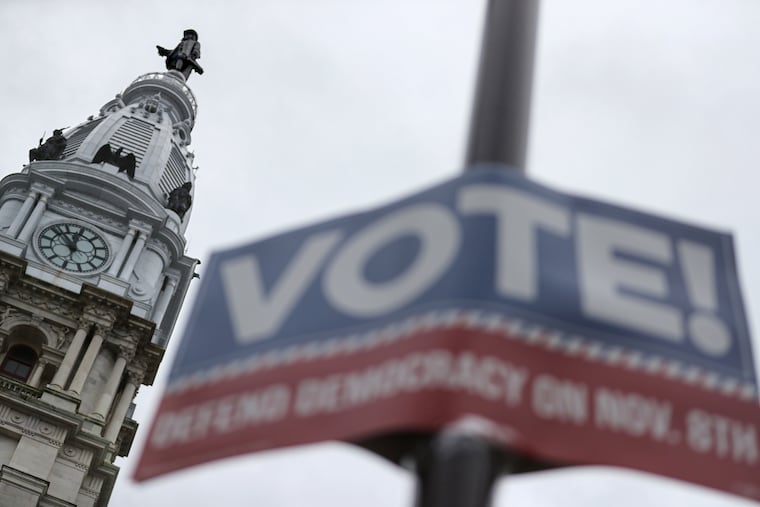
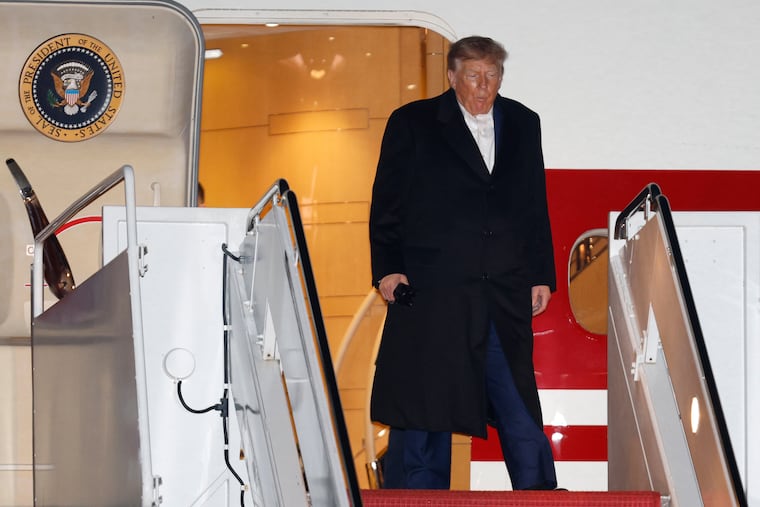
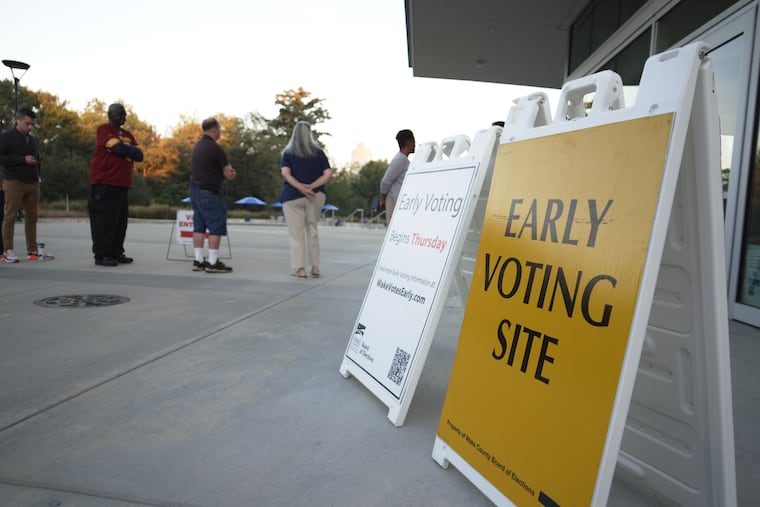
Throughout this year’s gubernatorial race, Republican nominee Stacy Garrity has been noticeably outspent by incumbent Gov. Josh Shapiro. However, reporting from Spotlight PA indicates that this has changed during the last weeks of the election.
Stephen Caruso and Jaxon White write that “Republican Stacy Garrity raised more money in the past five weeks than she did during the rest of her campaign for governor, much of it tied to the skill games industry.” She’s still being outraised by Shapiro, but between Sept. 15 and Oct. 19, Garrity brought in almost $5.4 million.
Coincidentally, Garrity’s allies in the Pennsylvania Senate rejected a proposed compromise over the devices, which are currently illegal under state law, during this same period. While Shapiro has also received money from the skill games lobby, more than 80% of Garrity’s recent fundraising has come from groups that advocate for the extractive machines.
The additional money has enabled Garrity to run some TV ads. Although it remains to be seen whether the AI-generated takedowns of Shapiro will get her back in a race she’s been consistently losing by double digits in the polls.
Much ado about tickets
When a political official receives a tough question from yours truly, there are many ways they could choose to proceed. They can ignore the question altogether. They can tell me they have nothing to say. Or they can speak with me and defend their position (I’m always open to changing my mind).
Councilmember Jeffery “Jay” Young Jr., however, chose a different option.
He went on a tirade at the end of last week’s Council hearing, alleging that the media is out to get him, and that criticism of his plan to forgive parking ticket debt was somehow anti-Philadelphia.
On social media, Young’s staff piled on. “This is how these new ‘Philadelphians’ feel about natives,” wrote Young’s legislative director. Of course, as Young well knows, this column is written by a lifelong resident. I also doubt that sentiment about parking enforcement varies significantly across demographic fault lines. Plenty of “new Philadelphia” social media influencers have made resentment of the city’s parking authority a major part of their content.
The reason Young gets so much negative media coverage isn’t a mystery: It’s because he makes bad decisions. His colleague Anthony Phillips entered Council at roughly the same time, and I’ve yet to write a bad word about him. That’s because he makes responsible choices, chooses his words carefully, and treats all his constituents with respect.
Young, so far, has not done these things. Instead, a remarkably wide assortment of residents, from grandmothers in Strawberry Mansion to young professionals in Logan Square and everyone in between, has reached out to say he’s nonresponsive and disrespectful.
Whenever people’s arguments veer away from facts and evidence and into the territory of smears, misrepresentations, and insinuations, it is a reminder of how limited their ideas are.
About our columnists
In contrast to news reporters, who operate within an independent, nonpartisan framework, columnists are charged with including their perspectives, opinions, and viewpoints when presenting their reporting. Inquirer columnists include Jenice Armstrong, Will Bunch, Luis F. Carrasco, Paul Davies, Daniel Pearson, Trudy Rubin, and Sabrina Vourvoulias.