Sen. Andy Kim pitches MediKids, universal healthcare for children and young adults
The New Jersey Democrat hopes his idea is a jumping-off point for his party's universal healthcare debates.
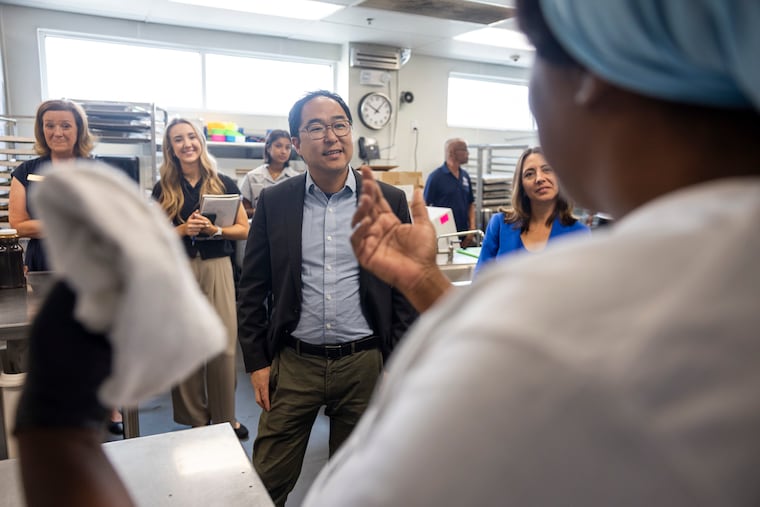
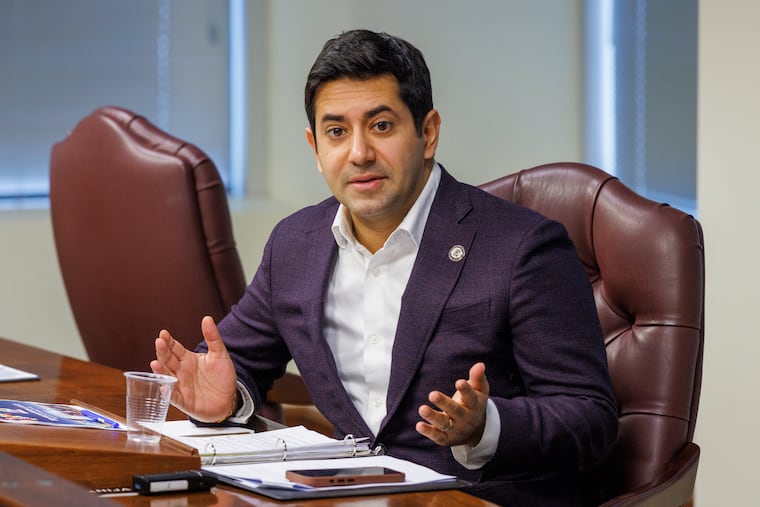
WASHINGTON — U.S. Sen. Andy Kim (D., N.J.) is introducing a plan to provide free healthcare to every child in the country, an idea he thinks could become a strategic step toward universal healthcare while addressing the urgent needs of an estimated — and likely undercounted — 4.6 million uninsured children.
Enrollment in MediKids, as he calls it, would be automatic at birth and extend until age 26. It aims to provide comprehensive benefits to uninsured children and young adults while also tackling the larger affordability crisis and the healthcare cuts under President Donald Trump that are expected to lead to further disenrollment in the coming years.
Strategically, Kim said, he also hopes the idea will be a politically popular jumping-off point as his party prepares to regain some level of control in Washington during the midterm elections this year and then fight for the White House in 2028.
“It really kind of brings that debate about healthcare to its core essence,” Kim said. “Who is going to stand in the way? Who could possibly say that we shouldn’t provide healthcare to every child in this country?”
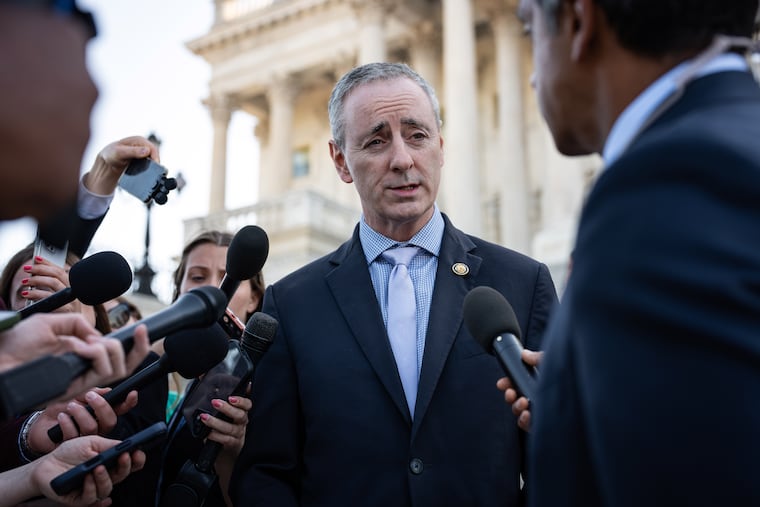
Kim, speaking to reporters in his office on Capitol Hill last week, said he was in the early stages of figuring out and advocating for the program. He also said he was clear-eyed about the “political realities” that will make it difficult to pass.
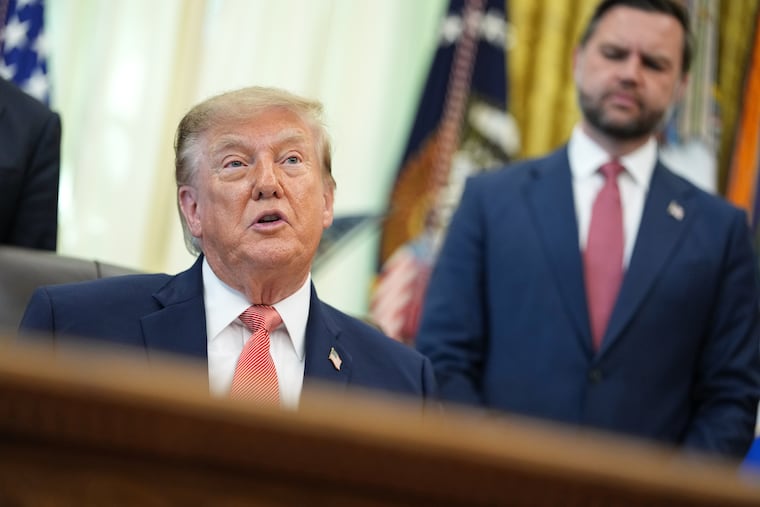
Republicans who control both chambers of Congress and the presidency rolled back future Medicaid spending in Trump’s One Big Beautiful Bill Act last year. They also declined to extend COVID-era subsidies to keep premiums low for individuals getting their insurance through the Affordable Care Act, a move that raised costs and has led to about 160,000 fewer people being insured through the marketplace in Pennsylvania this year.
Even if Democrats win control of the House and Senate this year, finding a bipartisan agreement with Trump during the remaining two years of his term would be an uphill battle.
Beyond that, Democrats have had their own internal debates on the issue — symbolized by Joe Biden’s opposition to Medicare for All during his 2020 campaign as progressives like U.S. Sen. Bernie Sanders (Ind., Vt.) championed the idea.
Kim said he sees MediKids as a steppingstone toward universal government-backed healthcare, which he expects to be part of his party’s debates again heading into the 2028 presidential election. He said he introduced it now because of the “urgency” of the affordability crisis and a “hunger for ideas” that he hears from voters in New Jersey and elsewhere.
Critically, he said, it is also a personal issue for him and his family. Trump’s attempt to roll back the ACA during his first term coincided with the birth of Kim’s son, who had immediate medical needs.
“I would not be here in Congress had it not been for that experience,” Kim said. “No parent should have to experience what I had to, and what many parents right now have to, which is worry about whether or not they’re going to be able to get healthcare for their kid if they lose a job, or change jobs, or any number of other issues.”
MediKids as introduced would operate as an extension of Medicaid, which currently covers about 35.5 million kids, including through the Children’s Health Insurance Program. It would provide access to comprehensive screening and early treatment benefits that experts say improve overall health outcomes for children.
Kim said he did not have even a rough estimate of what it would cost to extend the benefits to every child and young adult through age 26. Though the price tag is likely to be significant — and play a role in the program’s ability to gain political support in Washington — he said the long-term investment in healthier kids will have “real savings over time.” Identifying a funding source would come later as Democrats figure out how to pay for a long list of priorities if they win control of Congress and the presidency, he said.
“When you think of our healthcare system, writ large, children are very inexpensive,” said Joan Alker, a research professor and executive director of the Center for Children and Families at the Georgetown McCourt School of Public Policy.
Alker said research has shown that providing healthcare for kids creates a “great return on investment, both from the perspective of taxpayer dollars and, more importantly, from the perspective of having children who are going to grow and thrive.”
MediKids, she said, would be an effective and in some ways novel way of tackling an “extraordinarily worrying” trend.
After steady declines in the number of uninsured children both before and after the passage of the Affordable Care Act in 2010, the figures have fluctuated in the last decade. The 4.6 million children without insurance in 2024 represented about 6% of all children, an increase from about 5.1% in 2022. That period coincided with changes in Medicaid after the pandemic, a period known as the unwinding.
But child enrollment in Medicaid and CHIP has also decreased dramatically since Trump took office again in January 2025 — declining by more than 2 million through May of this year, according to the center at Georgetown.
Enrollment has decreased in Pennsylvania by about 130,000, or 4.1%, and in New Jersey by about 28,000, or 1.5%. Indiana has seen the worst fallout, with about 360,500, or about 20%, fewer children enrolled.
Alker said most children remain eligible. The drop-offs are due to a variety of reasons, including families with mixed immigration statuses being less willing to participate in federal government programs under Trump, less outreach by the federal government to connect individuals with healthcare options, and more administrative red tape for Medicaid, she said.
“I think this is a harbinger of what’s to come next year,” Alker said, referring to the changes to Medicaid eligibility that were passed in the One Big Beautiful Bill Act and will begin to be implemented after the midterm elections.
“There’s a lot of conversation about children being protected,” she said. “But when you start cutting off parents and other adults, when you start adding red tape, then children are going to be impacted.”
According to the Kaiser Family Foundation, a nonprofit healthcare-focused think tank, about 26.7 million people — adults and children — were uninsured in 2024. That is about the same amount as in 2016, which marked a high-water mark after the Affordable Care Act passed.
Kim said he set the upper eligibility limit for MediKids at age 26 because of the popular piece of the ACA that allows young adults to stay on their parents’ insurance until that age. He said he is still working through all aspects of the program, though, and his priority remains on the growing number of children who are uninsured.
“That should be unacceptable for everybody,” Kim said. “I honestly did not realize the number was that high when I first set out to do this. But it’s shocking in the richest, most powerful country in the world that we have that level of problem that is out there right now.”