Pa.’s Democratic trifecta could mean more funding for schools and SEPTA — if Harrisburg can find the money
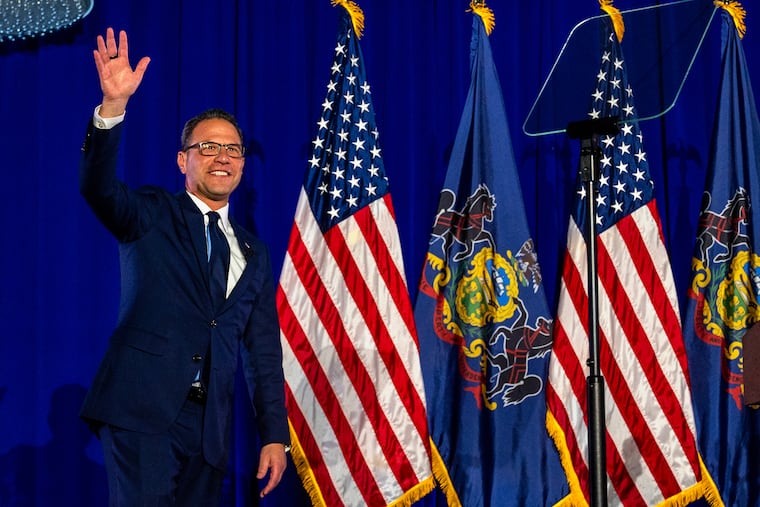
For the city’s leaders, the most transformative change could be what Gov. Josh Shapiro has said will be his No. 1 priority: raising the state minimum wage for the first time since 2009.
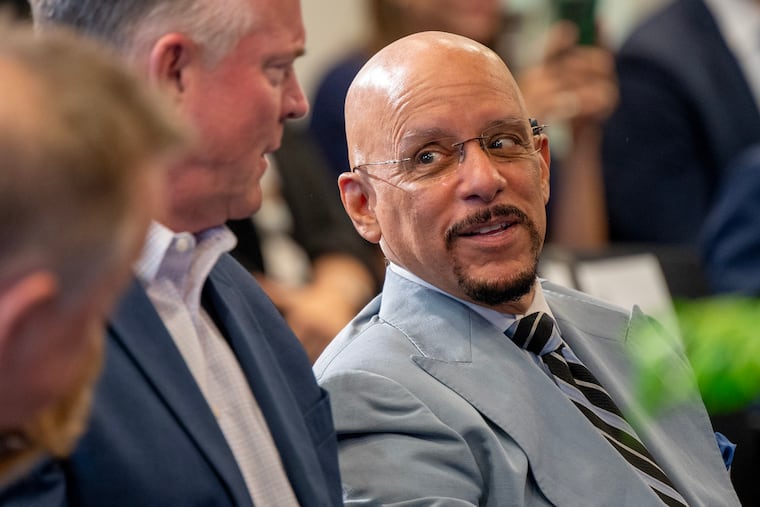
Philadelphia Democrats woke up to a new political reality on Wednesday, and they are brushing off their wishlists.
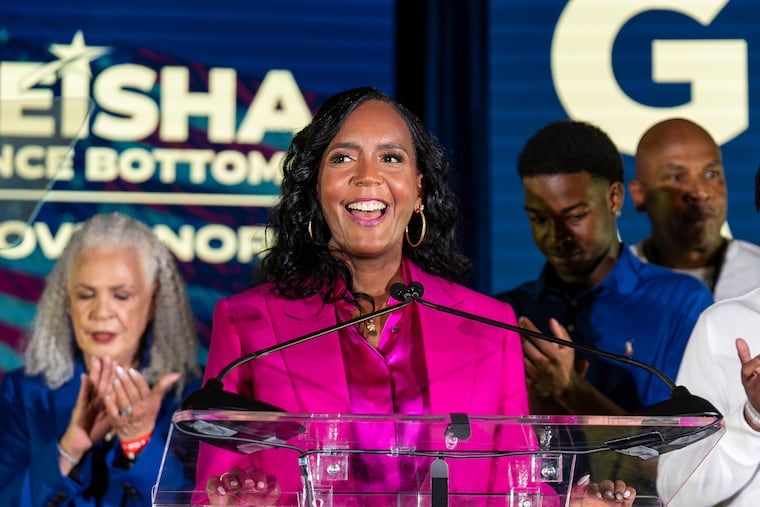
Elated with their party’s commanding performance in elections across the country, Philly lawmakers said this week that full Democratic control in Harrisburg for the first time in more than 30 years will be felt acutely in the city, where core institutions are facing compounding funding crises.
Come January, Democrats will have a trifecta in Harrisburg, controlling the state House, state Senate, and the governorship, meaning the party can advance its priorities with little to no Republican backing.
In Philadelphia, where Democrats hold a supermajority of local elected offices, that could mean more funding for the city’s financially strapped public school system and a lifeline for SEPTA as the mass transit system stares down a coming fiscal cliff.
» READ MORE: Democrats win trifecta control of Pennsylvania Senate, House and governorship for the first time since 1993
But for the city’s leaders, the most transformative change could be what Gov. Josh Shapiro has said will be his No. 1 priority: raising the state minimum wage for the first time since 2009, which is currently $7.25 an hour for non-tipped employees, in line with the federal minimum wage.
The Democratic-controlled state House has passed legislation to raise the wage to $15 an hour, but the bill stalled in the GOP-led Senate. Mayor Cherelle L. Parker, a centrist Democrat, said Tuesday that raising the wage will put Philadelphia residents on “a path to self-sufficiency.”
“We don’t have an affordability crisis if what we earn gives us the ability to take care of ourselves,” she said.
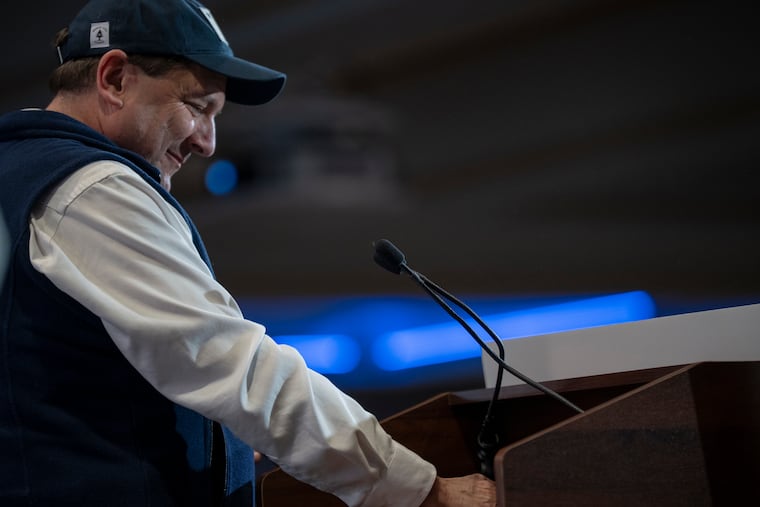
State Sen. Nikil Saval, a progressive Democrat from South Philadelphia and the leader of the city’s delegation in the Senate, said his party’s takeover of the chamber is a mandate from voters to address the cost of living in the city in meaningful ways.
He said GOP control of the Senate stifled how Democrats could attack issues like inflation, utility costs, and the price of housing.
“It might have been fanciful or futile to think about certain efforts or ideas under the constraints of having a fairly intransigent Senate Republican majority,” Saval said.
Now, Saval said, “the attitude of government is a widely held desire to do something about it.”
Improving school buildings tops Philly priority list
Parker, in an interview Tuesday before results trickled in showing that Democrats had secured control of the state Senate, said a Democratic trifecta would also put leaders in Harrisburg in a position to infuse the School District of Philadelphia with funding to address its aging facilities.
“Our school buildings are old,” Parker said. Some schools, she said, “need to be totally rebuilt so our kids are learning in modern, 21st century school buildings that can prepare young people so that they can compete in the global economy.”
State funding to Philadelphia public schools has increased substantially since the 2023 state Commonwealth Court ruling that declared Pennsylvania’s funding model unconstitutional. That resulted in hundreds of millions of dollars in additional aid to Philly schools since the ruling.
But the district is still far short of what the state’s Basic Education Funding Commission considers to be its “adequacy gap,” and has a massive structural deficit. In addition, the district’s capital needs are vast, and officials have estimated that fixing aging buildings and other facilities is a multibillion dollar endeavor.
The district is in the midst of executing a yearslong facilities “master plan,” which will result in the closure of 17 schools.
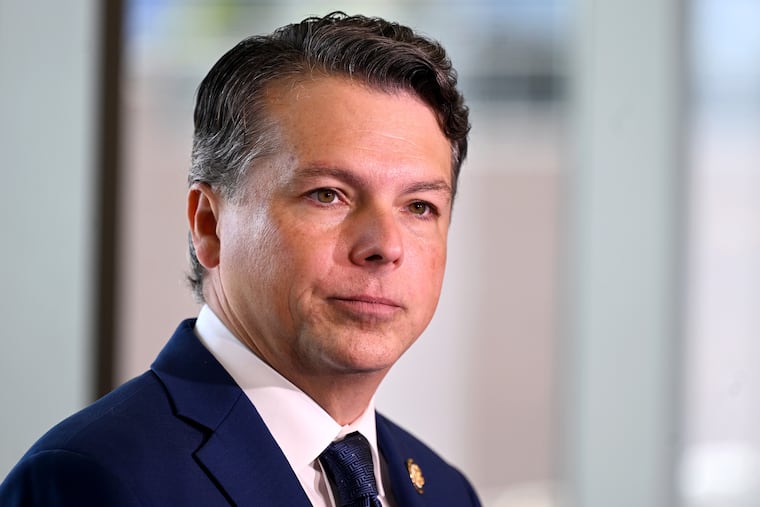
City Council President Kenyatta Johnson, a Democrat who has been critical of the facilities plan, said that while the Commonwealth Court ruling resulted in “significant progress,” it has not been enough to address decades-long school funding inequities.
“If we have a trifecta,” he said, “we should be doing even more.”
To do so, Philadelphia leaders will need to have the governor on board. Last year, Parker sent a letter to Shapiro requesting more than half a billion dollars in state money for a range of her agenda items, including improving school buildings, addressing homelessness, building affordable housing, and treating people in recovery from addiction.
Most of those asks were not included in Shapiro’s budget proposal unveiled in February.
But as the governor prepares his next state budget proposal, he’ll be facing dramatically different possibilities as his own party controls the upper chamber.
» READ MORE: ‘Blue tsunami’ sweeps from Harrisburg to Washington in a historic repudiation of Trump and the GOP
State Sen. Vincent Hughes, a West Philadelphia Democrat in line to chair the powerful Senate Appropriations Committee, said Tuesday that Senate Republicans have roundly “refused to address” the need for capital improvements in the district, and that he expects that to change under Democratic control.
“Republicans repeatedly said ‘no, no, no, no.’ So what are you gonna do? You got to beat ‘em,” Hughes said. “Create the trifecta, and then make investments in school infrastructure.”
A new reality for SEPTA, if they can find the money
Finding the money to fund Democratic priorities will likely be the hard part as the state expects to spend more than it makes in revenue this fiscal year.
Some progressives want the state to jack up taxes on the rich. Democrats have for years floated the idea of legalizing recreational cannabis so it can be regulated and taxed.
And Shapiro has advocated for a steep tax on unlicensed “skill games” — the slot-like machines in gas stations and convenience stores — to raise money for transit. With his party in firm control of Harrisburg, his plan seems possible.
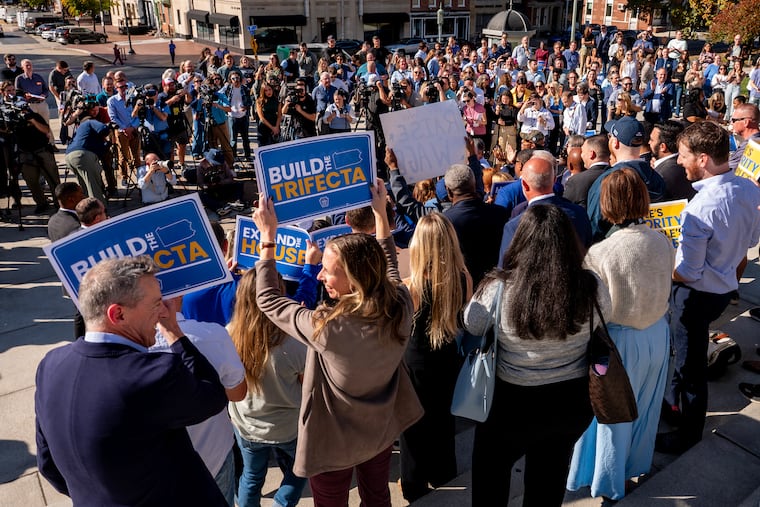
As Democrats craft next year’s budget, they are likely to face tremendous pressure from transit advocates and local elected officials to rush money to the chronically underfunded SEPTA.
» READ MORE: Public transit is in trouble all across Pennsylvania, including in GOP districts
Over the last two years, Shapiro has found ways to channel money to the transit authority, blaming Republicans for not agreeing to a recurring funding plan.
In 2024, the governor redirected $153 million in federal highway funding to SEPTA to avert massive fare increases, and last year, he allocated $220 million for SEPTA to make emergency improvements to the Regional Rail system that connects Philadelphia to the rest of the region.
But SEPTA officials have long pushed for a sustainable funding stream, and they say they’re facing a structural operating deficit of $192 million in the coming fiscal year. That means the threat of service cuts, fare increases, or both remains real.
Saval said his party must meet the expectations of voters who delivered Democrats governing power on Tuesday.
“Mass transit,” he said, “has a direct effect on quality of life for Philadelphians.”
Staff writers Gillian McGoldrick and Kristen A. Graham contributed to this article.