New Jersey enacts law to prevent surveillance pricing of groceries. Here’s what to know.
New Jersey banned surveillance pricing for groceries under a new law signed by Gov. Mikie Sherrill. Here's what that means.
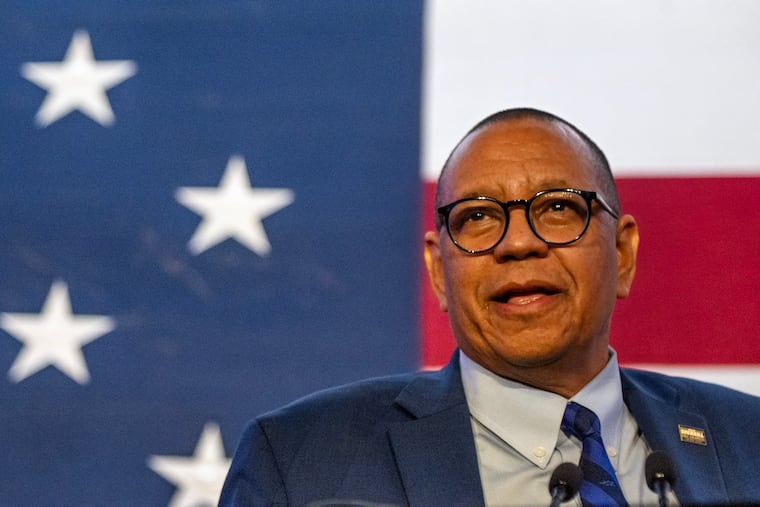
New Jersey Gov. Mikie Sherrill signed a surveillance pricing ban into law on Thursday as she champions herself as a fighter for lower costs in New Jersey.
The Democrat lauded the initiative as part of her broader agenda and campaign promise of making life more affordable in the state. Also in line with her messaging, she blamed President Donald Trump’s tariffs and the war in Iran for high grocery prices at a news conference announcing the new law.
“Surveillance pricing essentially gives Big Brother a look into your shopping cart,” she said. “It’s incredibly invasive and it’s expensive.”
Several states across the country have similar bills under consideration, but New Jersey is just the third to write the ban into law, after Maryland and Connecticut.
Here’s what to know about the new law.
What is surveillance pricing?
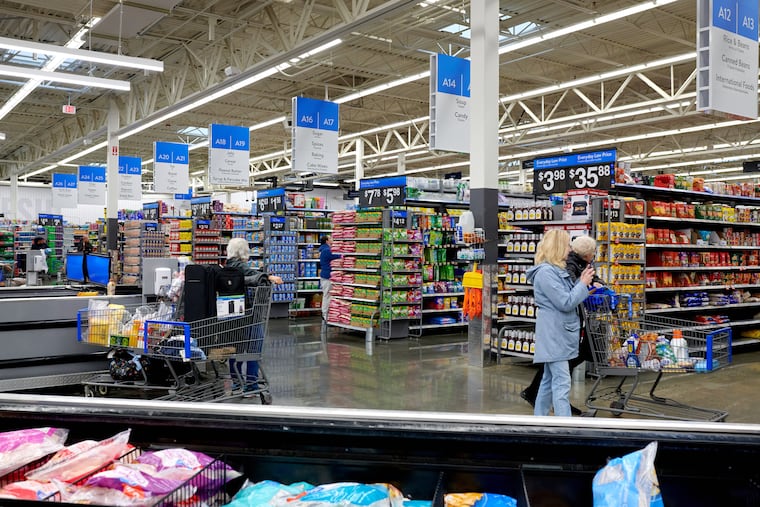
Essentially, it’s when grocery stores or apps create individualized pricing based on shoppers’ personal data.
As defined by the new law, it’s a pricing strategy in which food prices are adjusted, optimized, or recommended by an algorithm or automatic system that uses personal data, such as through biometrics, cameras, sensors, device tracking, or other forms of observing consumers’ personal attributes.
What does this law do?
The new law, called the Fair Price Protection Act, bans surveillance pricing or other pricing strategies that determine the cost of groceries based on consumers’ data. The law takes aim specifically at groceries and not at restaurants or other places that sell food or beverage for immediate consumption.
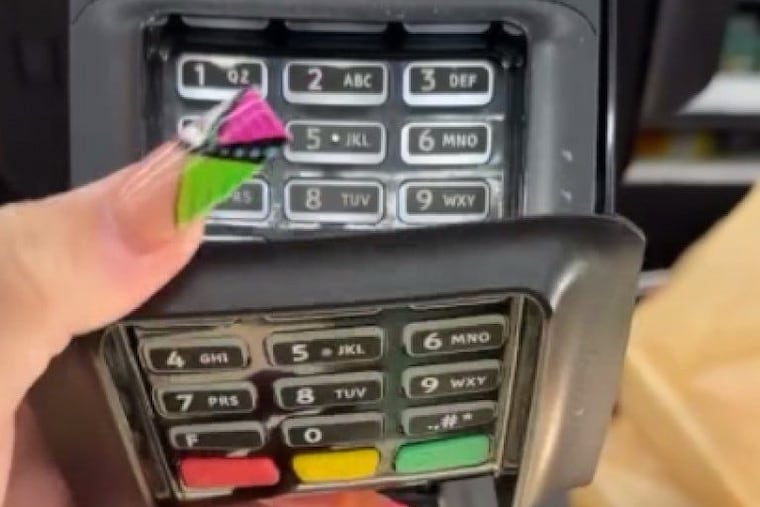
It also implements a one-year ban on new electronic shelf labels and requires the state to study the use of such labels. The New Jersey Innovation Authority is required to submit findings no more than six months before the end of the moratorium along with policy recommendations surrounding the practice. Companies are allowed to repair or replace existing electronic shelf labels during this moratorium.
» READ MORE: New Jersey digital innovation office that uses AI becomes permanent with new law
These labels allow companies to update prices more efficiently and do not mean surveillance pricing is being used. But a group that has lobbied for a surveillance pricing ban — the United Food and Commercial Workers International Union — has also called for bans on electronic price tags and called them “the missing piece of the surveillance pricing puzzle.”
The surveillance pricing ban will not take effect for a year, but the electronic shelf label moratorium will begin in six months.
A violation of the new law carries penalties of up to $10,000 for the first offense and up to $20,000 for further violations, and the attorney general can pursue additional civil penalties.
What did lawmakers think of this bill?
Earlier this year, some South Jersey legislators said they wish the bill had gone further and banned the practice across other industries.
» READ MORE: You could be paying more for groceries than your neighbor. Here’s what Jersey lawmakers are doing about it.
The bill passed both chambers of the legislature on June 30 as part of a slew of last-minute actions before the budget deadline.
It passed largely along party lines, though two Democrats voted against it in the Senate, including Sen. James Beach, a Camden County Democrat who had been listed as a cosponsor on the bill. He did not immediately respond to a request for comment Friday.
In the Assembly, seven Democrats did not vote on the bill, and one Republican voted for it.
Does Instacart use surveillance pricing?
At her news conference, Sherrill cited figures from a Consumer Reports study that found Instacart used artificial intelligence-driven pricing that left customers with price tags differing as much as 23% per item for an annual household cost difference of $1,200 per year.
However, Instacart has said it did not use personal information to set those prices, and therefore it did not involve surveillance pricing — a practice the company said it does not use. The company also said it has changed its practices outlined in the study.
That being said, experts have warned that the combination of AI pricing models and the mass amounts of data collected on U.S. shoppers paves the way for surveillance pricing, per Consumer Reports.
Will this law interfere with your loyalty discounts?
Opponents of the bill, such as business groups and Republican lawmakers, have argued that the bill will have the opposite effect than intended, leading to higher prices because of negative effects on loyalty discount programs.
“The reason so many businesses pushed back on ‘The Fair Price Protection Act’ wasn’t because they want to price gouge customers, it’s because the bill threatens the loyalty programs, discount apps, and member pricing that brings in customers and actually brings prices down for everyday shoppers. … This law threatens to take that all away,” Assembly Republicans said in a post on X on Thursday.
But Sherrill insists the new law will not go after those discounts.
“Deals are fine,” Sherrill said. “Surveillance-driven surcharges driving up costs are not. If companies violate your privacy to try and make a buck, they’ll be held accountable under our state’s Consumer Fraud Act.”
The law specifically says it does not prevent discounts with publicly shared eligibility requirements, such as being a teacher or veteran. It also allows companies to offer discounts through loyalty programs that shoppers opt in to and provide discounts based on customers’ purchases as long as all members of the program are eligible to receive them under the same conditions.