A Philly family bought their first home thanks to reparations from Quakers in Germantown
Green Street Friends Meeting, a Quaker congregation in Germantown, pledged to spend $50,000 a year for 10 years as part of its reparations work. It’s helping Black Philadelphians become homeowners.
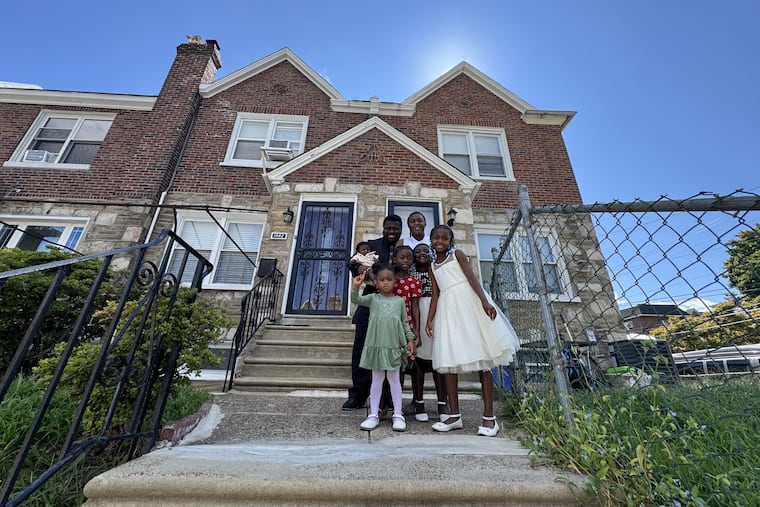
Charmira and Quincy Pilgrim wanted to become homeowners a decade ago when they got married.
But over the years, job losses, jobs that didn’t pay enough, children, unpaid maternity leave, and rising costs of living made saving for homeownership impossible.
They were finally able to start putting money away late last year. And this spring, they found a $315,000 house they wanted to buy in West Oak Lane. But they were short thousands of dollars for their down payment and closing costs.
What got them and their five children into their new home was a $10,000 first-time homebuyer grant funded by a group of Quakers in Germantown.
“It was a blessing that I ended up getting the grant because money was tight,” said Charmira, a 32-year-old special education teacher and case manager.
Up-front cost is a common barrier to homeownership for renters in Philadelphia and across the country. Grants for down payments and closing costs can help aspiring homeowners get in the door. Governments, mortgage lenders, and nonprofits are common funders.
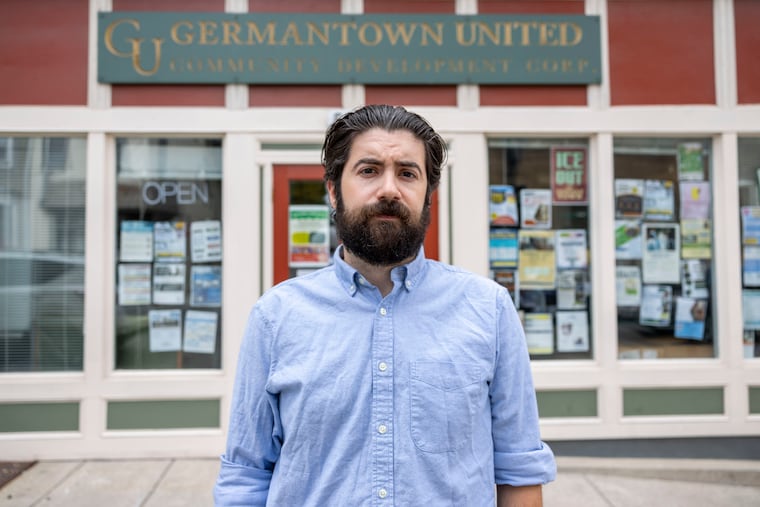
That’s what makes the Pilgrims’ grant stand out. It’s one of five $10,000 grants that Green Street Friends Meeting, a Quaker congregation in Germantown, is funding to help people buy their first homes. It’s part of the congregation’s racial justice plan to redistribute wealth to Black residents in the Germantown area as a form of reparations.
When Green Street announced the homebuyer grants in March, it said it sees reparations as “economic and spiritual repair for the intergenerational harms of slavery, Jim Crow, and their afterlives.” Reparations, it said, are “intended to address the theft and pillaging of Black wealth” for hundreds of years through systemic discrimination.
» READ MORE: Black home buyers face barriers from past racist policies and current practices
Lucy Duncan, a member of Green Street, said the homebuyer grants are “a redistribution of wealth that’s about fairness and equity.”
The goal is to keep Black residents from being priced out of their communities and “provide resources to help maintain Black Germantown,” she said.
Rebecca L. Grant, a Black member of Green Street’s reparations committee who has been a Germantown homeowner for 22 years, said the committee wanted to eliminate a hurdle to homeownership and the wealth it can create for Black residents.
“We knew these grants wouldn’t undo generations of discrimination,” Grant said, ”but we thought we could make a difference one family at a time."
How the homebuyer grants work
To distribute the grants, Green Street partnered with birdSEED, a Washington-based nonprofit that aims to reduce racial wealth gaps in the Washington and Philadelphia areas. As part of its work, the nonprofit helps members of historically disadvantaged communities buy their first homes.
The Quaker congregation contributed funds to birdSEED’s Housing Justice Grant Program and required that its money go to Black homebuyers purchasing in the 19144 or 19138 zip codes.
In the Philadelphia area, birdSEED typically awards grants of between $5,000 and $10,000 for down payments and closing costs. An advisory board reviews applications and interviews top candidates. The board scores applicants based on their readiness to purchase a home and the impact the grant would have, said Leslie Case, birdSEED’s co-executive director.
Candidates need to have lived in the area in which they are buying for at least three years. They cannot have purchased a home before. And their household can make up to $150,000 a year. Preference is given to populations who have historically faced barriers to homeownership.
Homebuyers can apply for the current round of birdSEED’s housing justice grants until Sept. 30.
The nonprofit has awarded about 40 homebuying grants so far in the Philadelphia region, which includes surrounding counties in Pennsylvania and New Jersey.
Maegan Scott, birdSEED’s co-executive director, said the grants funded by Green Street represent “momentum” as the nonprofit seeks to expand its presence in the Philadelphia area.
A majority of the nonprofit’s housing justice grants have gone to first-generation homebuyers. But a common thread ties all applicants together.
“Everyone’s looking for stability,” Scott said. “Everyone is looking ahead to the next generation, the generation after that.”
Green Street’s reparations initiative
In June 2021, Green Street pledged to spend $50,000 a year for 10 years as part of its reparations work, spurred by a moral calling and the realization that the congregation had a large pot of money in unrestricted reserves.
The following year, the congregation partnered with attorneys to help Black Germantown residents make wills and straighten out legal ownership of their properties.
In about a year and a half, clinics to resolve and prevent tangled titles preserved more than $11.3 million in housing wealth for more than 85 families by protecting homes that might otherwise have been lost because of unclear legal ownership, according to Green Street. It was a massive return on the $25,000 the congregation spent on fines and legal services for families who didn’t qualify for free legal help.
Over the last few years, Green Street’s reparations work has included music education for Black youth, funds for Black midwives in Germantown and a new birthing center in Mount Airy, estate planning services, and additional housing support.
“We didn’t want the reparations to just be about acknowledging a painful history,” Grant, the reparations committee member, said. “We want it to be about what we can do now.”
She said she used to think that reparations for Black Americans would never happen.
“But it’s so wonderful to see and understand that, ‘Oh, this has to happen on a local level,’” she said.
» READ MORE: Reparations are a moral calling for these Germantown Quakers. First up: Help for Black homeowners.
The Pilgrims and one other family have bought homes using Green Street’s grants so far.
Duncan, at Green Street, said that when birdSEED sent her the first pictures of the families, “I almost started to cry.”
“It’s such tangible and long-term impact for these families,” she said. “And hopefully, generational impact.”
A home of their own
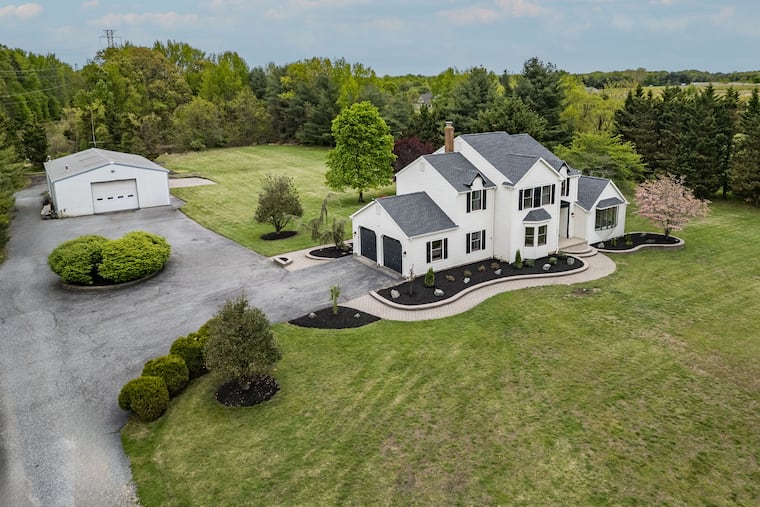
Charmira and Quincy Pilgrim closed on their three-bedroom house at the end of May, about a month before their fifth child was born.
The children, the oldest of whom is 8, love playing in the side yard, backyard, and finished basement. Charmira loves to cook, and she now has a big kitchen. The house is close to biological family and church family.
Charmira said being a homeowner “means freedom.” She has started planning future upgrades for her home.
“It feels good to have ownership. It feels good to be in a space I can create a vision for,” she said. “I see this as an opportunity for my kids to have a legacy.”