Germantown YWCA endured two failed redevelopment efforts. The same builder is trying again.
The property was first proposed for senior housing in 2014, when Councilmember Cindy Bass quashed it. Now that's the plan again, with her support.

Germantown’s historic YWCA is slated to be redeveloped into affordable senior housing by Councilmember Cindy Bass’s handpicked developer, 12 years after she shut down a similar plan by a different group.
This latest twist in the saga over the preservation and reuse of this city-owned building comes amid soaring interest rates and construction costs, ensuring the project is substantially more expensive than it would have been in 2015.
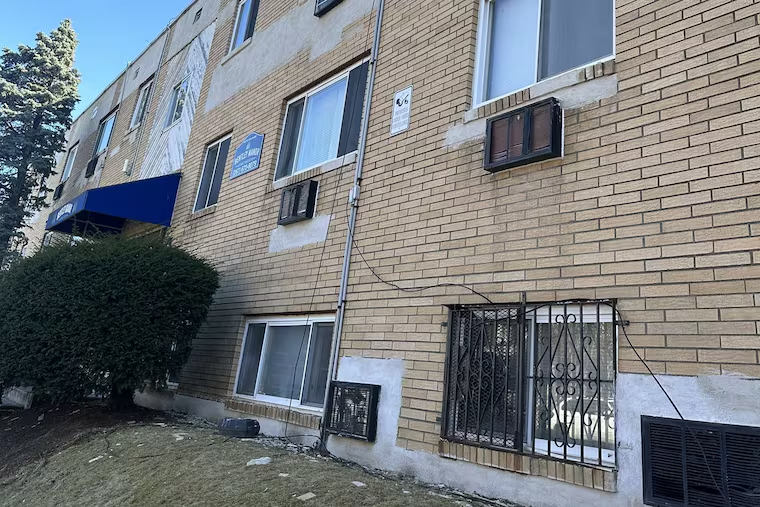
The YWCA at 5820-24 Germantown Ave. was one of the first to integrate in the country, and the four-story brick building is almost 112 years old. It’s been owned by the city since 2013, and vacant even longer.
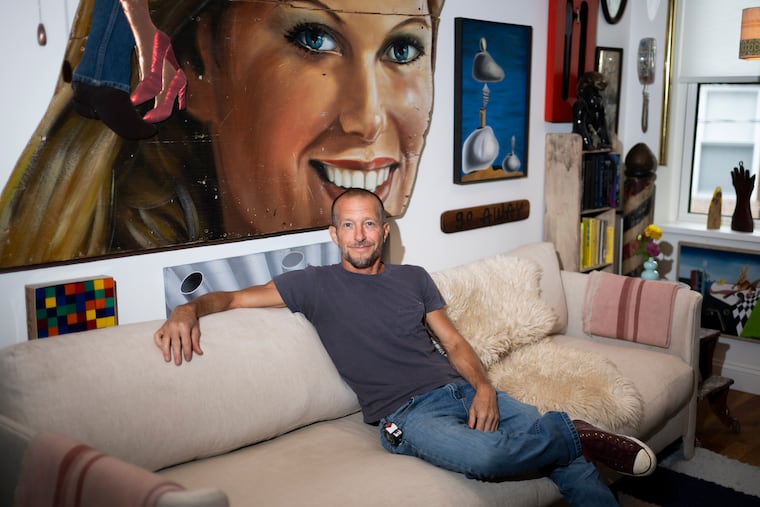
When the Philadelphia Redevelopment Authority first put the building up for bid in 2014, the only offer was a collaboration between Mission First Housing Group and Northwest Philly-based developer Ken Weinstein for 50 low-income senior apartments.
But to transfer city-owned land to a developer, City Council must introduce legislation to allow the process. And the larger body defers to district representatives for properties in their territory, a tradition known as councilmanic prerogative.
In 2014, Bass refused to allow the sale — saying that affordable apartments for seniors would hinder the reinvigoration of Germantown Avenue.
Later, she championed Ohio-based developer KBK Enterprises and its 2016 plan for a mixed-income building, arguing that her choice would also boost a Black-owned business.
That project and another by the same company never came to fruition. Bass refuses to allow the city to transfer the property to any other developer.
“The proposals from 2015 are similar to where we are now, which is senior housing at this location,” said Bass at a neighborhood meeting on Wednesday night. “But the market has changed dramatically. Housing has changed dramatically from 2015 to where we are right now.”
Germantown’s evolution
Germantown suffered decades of divestment and population loss as a result of white flight and discriminatory lending and in 2014 had seen little market rate development.
But in the 12 years since, the neighborhood has seen a modest burst of new building, and an increase in higher-income residents.
“The ability to do certain types of projects has changed,” said Bass, who is facing a tough reelection bid next year. “Nothing is as it was in 2015, and so I think that going forward, this project right now is the right thing to do.”
Bass was first elected to City Council in 2011. Her tenure has been marked by repeated delays in the redevelopment of city-owned properties like the Germantown Town Hall, the YWCA, and Ada H.H. Lewis Middle School due to her exercise of councilmanic prerogative. She will run for reelection in 2027, facing progressive challengers.
At Wednesday’s meeting, residents were highly skeptical of the assurances from KBK and Bass after so many years of disappointment.
KBK’s latest plan
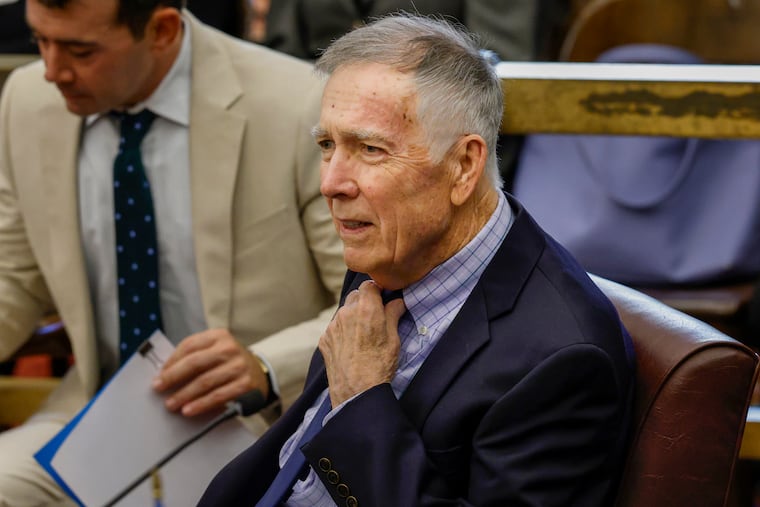
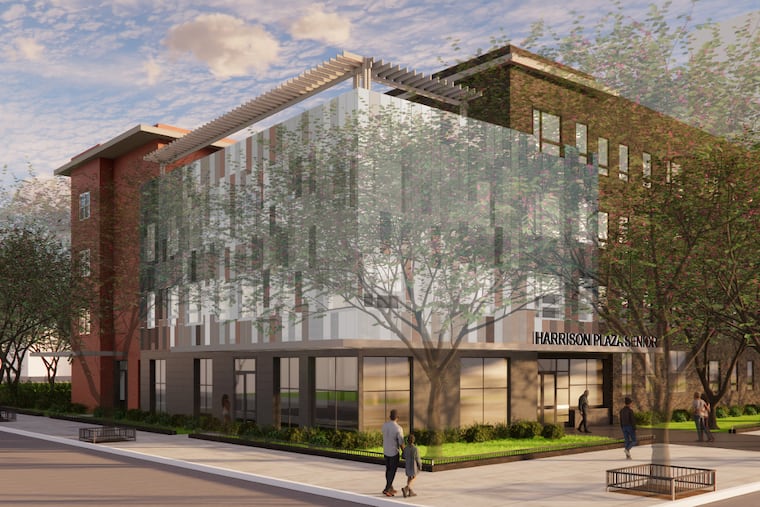
At Wednesday night’s meeting, KBK’s president and CEO Keith Key informed residents of his company’s latest plans for 51 units of senior apartments, along with some commercial space.
He wants to put a mix of studio, one-bedroom, and two-bedroom units in the building. The smallest would be 500 square feet and the largest 850 square feet. The units would be affordable to those at 20% to 60% of area median income, or between roughly $17,000 and $50,000 for a one-person household.
However, the project’s funding is still not fully locked in. Key informed residents that his company had applied for Low-Income Housing Tax Credits in June and their petition had not yet been approved.
“Things look good, but obviously we won’t know until we know,” said Key.
The rest of the funding would come from equity, debt, and project-based housing vouchers. Key also described city funding that his company secured during earlier redevelopment bids.
KBK used “extensions of the applications that we’ve had in the past,” said Key. He said the funding comes from “the [Philadelphia Redevelopment Authority], the city funds, the Class 500 fund,” among others.
Neighborhood discontent
Attendees expressed frustration that the Germantown YWCA’s redevelopment has been delayed, when the current proposal is so similar to previous plans from over a decade ago.
The Philadelphia Redevelopment Authority attempted to work with KBK on the YWCA in 2016, but first cut ties with the group in 2021. The redevelopment authority made another agreement with KBK at Bass’ urging in 2022, but that lapsed in 2024.
The authority has said it does not intend to put the building out for bid again unless Bass agrees to move on from KBK.
The agency does “not want to waste anyone’s time because it would not be fair to anyone if the Councilwoman was not willing to consider anyone else,” according to the Redevelopment Authority’s February 2025 board meeting minutes.
Weinstein, one of the developers who made the original 2014 bid, has sought to seize the building through the courts, using Act 135 which is meant to redevelop derelict property. But his suit failed two years ago.
“The first deadline for finishing this project was 2019,” said Ann Doley, a longtime member of the Friends of the Restoration of the Germantown YWCA group. “Then it’s 2025. What is it now? 2030? It’s so hard to have any confidence, any trust, that this is going to work out.”