‘Affordability’ gone wild? Proposal would reward traffic scofflaws with ticket amnesty | Shackamaxon
Plus: Unwelcome changes at Philadelphia's Christmas Village, SEPTA funding compromise fails yet again, and Sheriff Rochelle Bilal's unearned boast.

This week’s edition of Shackamaxon covers a frustrating change at the Christmas Village, a misguided attempt to foster affordability, a proposal to fund transit by keeping so-called games of skill, and an outrageous campaign boast.
Counter space
One of the highlights of the holiday season in Philadelphia is the Christmas Village that sets up at LOVE Park and Dilworth Plaza every year. Local artists and artisans sell everything from clothing to ornaments from tiny stalls, a tribute to the markets that have been set up during December in German towns and cities for hundreds of years.
This year, merchants are facing a significant change: The interior of their stalls will now be off-limits to shoppers. Instead, they are expected to build counters, with customers remaining outside, away from most of the merchandise.
On social media and in The Inquirer, sellers complained this undermines the experience.
The new setup will force cashiers to fetch items that potential buyers typically peruse on their own, adding to their workload and slowing sales. It also removes the serendipitous magic of finding the perfect product while browsing.
German American Marketing, which runs the whole operation, has painted the change as a necessary response to accessibility concerns. They’ve cited input from their legal team and ongoing efforts to make the Village more welcoming to customers who cannot navigate the stalls’ tight spaces.
Accessibility is of course essential, but let’s hope that management, the city, disability advocates, and the vendors can find a better solution in time for next year’s holiday season. Especially if the new setup has a measurably negative impact on sales.
A break for lawbreakers
For the second year in a row, Philadelphia was named the worst U.S. city for drivers. It’s not only traffic, as my colleague Stephanie Farr chronicled, we all know that the city’s bad motorists can make life frustrating, if not outright dangerous, for everyone else.
Fifth District City Councilmember Jeffery “Jay” Young Jr.’s plan? Reward them.
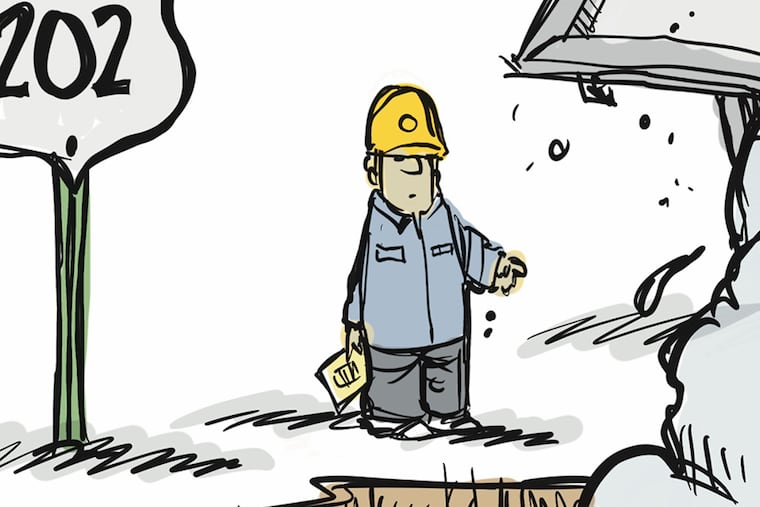
First, Young proposed lowering fines from the city’s speed and red-light cameras. Now, he’s proposing a general parking ticket amnesty. Young has painted these moves as a response to the national affordability crisis. Except there’s a big difference between paying for food and paying for tickets. We all have to eat; we don’t all have to break the law.
Of course, there are many Philadelphians who have turned resenting the Philadelphia Parking Authority into a major part of their personality. The fact that the city’s ticket-issuing agency seems to have more firepower than its pothole repair squad, school district, Licenses and Inspections Department, and transit agency is legitimately frustrating. The solution, however, isn’t giving scofflaws a break. It is improving these other services.
No matter how many social media posts insist that it is all a cash grab, parking and traffic laws exist for a reason. With limited curb space, ensuring spots regularly turn over is essential to having thriving commercial corridors. Especially in the age of same-day delivery.
Motorists who park in crosswalks, on sidewalks, and on top of the trolley tracks or bus lanes are putting convenience for themselves over safety and access for their fellow Philadelphians. The ability to extend a reservation by phone has made paying for meters easier than ever before, and traffic cameras have made the city’s most dangerous corridors significantly safer.
Young’s office defended the push as a way to help people who may have made an honest mistake. The city’s parking signs can be confusing to navigate at times, but that only explains the first fine. Residents who have accumulated significant balances are, by definition, repeat offenders.
Missed connection
Northeast Philadelphia State Sen. Joe Picozzi is an outlier in his caucus. He’s the only Republican who represents Philadelphia in a chamber where many of his colleagues are old enough to be his parents, and he supports additional recurring revenue to support public transit (one of his fellow Harrisburg Republicans calls bus drivers “chauffeurs”).
In an op-ed for Broad and Liberty, Picozzi called for state leaders to agree to a plan I’ve proposed myself: taxing skill games and sending the revenue to infrastructure needs across the commonwealth. Beyond transit agencies, Pennsylvania also has more miles of state-owned roads than all six New England states combined.
It’s an idea that has a lot of merit. SEPTA just posted its best month for ridership since February 2020 — with 822,753 riders using the system on an average day. This boost happened despite the closure of 11th Street station on the Market-Frankford Line, and work in the trolley tunnel for three out of four weekends. The New Bus Network contributed significantly to this increase, helping to drive a 14% surge in bus ridership alone. While challenges remain, things are clearly moving in the right direction.
A new recurring funding source would help avoid a repeat performance of last year’s capital budget raid, putting the transit agency in a better position to deliver the faster, more frequent service and upgraded trains and stations promised in the Accelerate plan.
In a recent interview with The Inquirer Editorial Board, Gov. Josh Shapiro indicated support for the idea as well, blaming Senate Republicans for failing to bring a bill forward. State Senate Majority Leader Joe Pittman, despite once making the same proposal himself, more recently suggested that the money should go into the general fund, and that the tax rate for the machines is too high. A last-minute effort to forge a compromise seems to have failed.
For Picozzi and his fellow Southeastern Republicans, this failure only makes life harder. The more people associate the state Senate with inaction, the harder it will be to appreciate the individual qualities of each legislator.
Bilal blunders
Several readers forwarded me a copy of a text message they received from the campaign to re-elect Sheriff Rochelle Bilal.
Citing an unnamed fugitive and a mother and child who are now safer thanks to his arrest, Bilal cast herself as a champion of domestic violence victims. The text also included a link to her campaign’s fundraising page.
There’s one big problem with this boast. Under Bilal, the city has struggled to collect guns from people who are under protection from abuse orders. An Inquirer report put the confiscation rate at just 13%, measurably lower than neighboring counties.
While Bilal’s immediate predecessor also failed to confiscate enough guns, she’s had seven years to improve. I asked her office and her campaign for the current figure. No reply yet.
About our columnists
In contrast to news reporters, who operate within an independent, nonpartisan framework, columnists are charged with including their perspectives, opinions, and viewpoints when presenting their reporting. Inquirer columnists include Jenice Armstrong, Will Bunch, Luis F. Carrasco, Paul Davies, Daniel Pearson, Trudy Rubin, and Sabrina Vourvoulias.