Pumpkin spice and Halloween candy are arriving earlier, as seasonal creep is ‘accelerating’
Halloween is becoming "the longest retail season," says one candy executive.
A certain seasonal disorientation is understandable these days, and we’re not talking about whatever is going on with the planet’s climate.
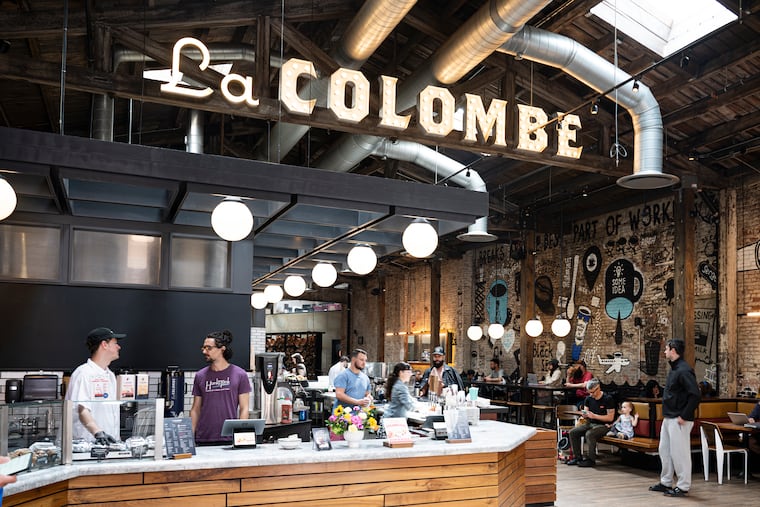
The Philly-born La Colombe coffee chain began offering its pumpkin spice drinks this week, and while that may seem early for evoking the spirit of Halloween, even among its rivals — Starbucks doesn’t turn to pumpkin until Aug. 25 — La Colombe is miles behind the candy industry, which has been at it for months.
In early May, as part of its “Halfway to Halloween” promotion, Mars Inc. was offering a “Creepy Crunch” variant of Skittles, Twix “skulls,” and pumpkin-shaped Snickers.
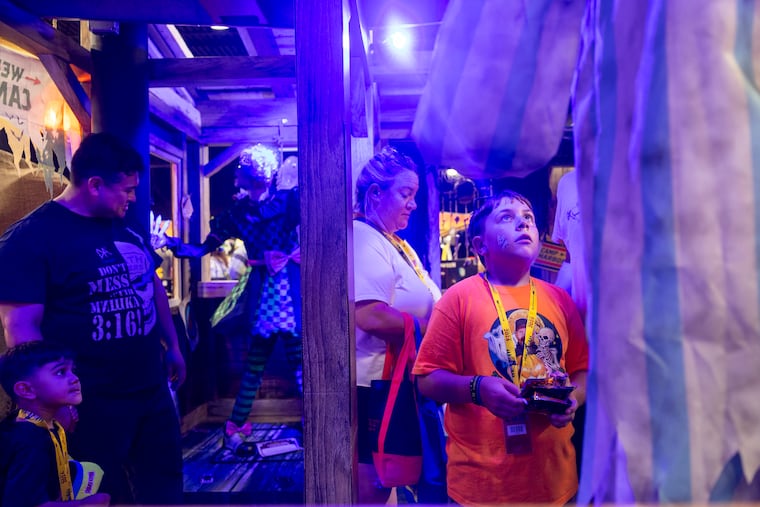
Over the weekend, as many as 3,000 people showed up for the seasonal grand opening of the Spirit Halloween store in Egg Harbor Township — 37 days before Labor Day, and in an era when summery weather appears to be lingering longer. (Philly’s average temperatures were above normal the last five Septembers.)
Complaints about the so-called seasonal creep phenomenon are decades old, but what was once a creeping tide has mutated into a tsunami “in the last several years,” in the view of Mark Lang, associate professor of marketing at the University of Tampa and a longtime supermarket executive.
“It snuck up on us,“ said Lang, an alumnus of both Temple and St. Joseph’s Universities.
“The guardrails are gone,” he added, saying the creep movement was “racing forward.”
“I see the movement as accelerating,” agreed Richard George, a St. Joe’s food-marketing emeritus professor.
However, it is not as though consumers are resisting, he said. For example, Christmas shopping in October is becoming ever more popular. “Consumers want to capture these deals, take advantage of greater product choices, spread out their spending, and avoid some of the stress related to holiday shopping,“ he said.
But one premature season at a time.
What is driving seasonal creep?
Money, for one, Lang said. And competition.
Sales in the confectionary industry reached a record $55 billion last year, according to Carly Schildhaus, spokesperson for the National Confectioners Association, with Halloween an important bite of that.
Businesses have to mine everything they can from the peak seasons — which very much include the sales of candy and assorted spooky paraphernalia for Halloween and holiday gifts for Christmas — said Lang, who for 11 years was the No. 2 marketing person at the Publix supermarket chain. And it doesn’t hurt to make those seasons longer.
“If they don’t beat last year’s seasonal sales, their whole year is off,” he said
Halloween is becoming the “longest retail season,” according to Mars executive Tim LeBel, who is quoted on the company website as saying, “Culture, not the calendar, is defining the seasons and our strategy.” According to Mars, it would begin in the spring.
By Mars’ count, 30% of all 20-somethings have participated in “Summerween” events, which have been gaining media attention in recent years. As the word suggests, those are Halloween-themed parties during the sweaty season. (The phrase comes from an animated TV series episode that aired over a decade ago.)
“Summerween has gained momentum,” said Schildhaus, who also invoked the cultural factor mentioned by LeBel.
For the retailers, the seasonal creep momentum is more about the economic connection, Lang said.
Stores are not only competing against one another but also battling “category killers,” like those temporary Halloween stores that put pressure on other shops to offer similar merchandise, he said.
“Everybody is grabbing at the bag at the same time,” Lang said. “Retailers have to get their piece or the other guy is going to get it. It’s a lack of imagination. I think retailers and vendors are just out of ideas.”
Will the seasons continue to creep?
The consumer response argues that it will, and George believes the seasons will continue to stretch, and not just Halloween.
He notes that the big drivers of the movement are the giant retailers, such as Amazon and Walmart, and that Black Friday is no longer merely a Thanksgiving weekend event.
Online shopping has further blurred seasonal lines, George said, since it “combines technology with information and convenience, making shopping occur whenever consumers are in the mood.”
But Lang said he was not so sure the elongations would continue to stretch into perpetuity.
“I hear people saying, ‘Give me a break,’” he said. “When you see Halloween candy in July, it’s like, enough of it.”
Jumping the seasons induces a certain “holiday fatigue,” he added.
He said he fears that what was once an occasion “feels like it’s a selling event.”
For the record, only 139 shopping days until Christmas.
Staff writer Sarah Nicell contributed to this article.