Penn leads $26 million NIH study to identify early signs of ALS and frontotemporal dementia
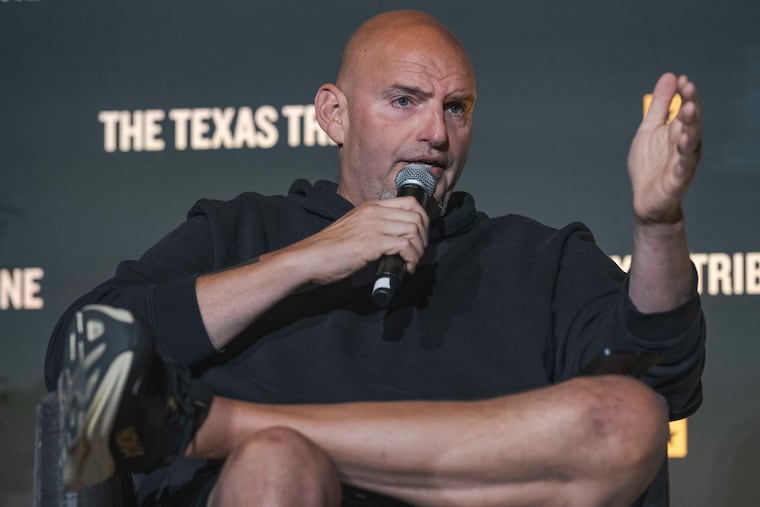
If scientists can find reliable signs of disease before symptoms appear, they could start planning clinical trials aimed at prevention. “We want to intervene early," McMillan said.
The University of Pennsylvania is leading a $26 million effort to detect early signs of brain diseases in genetic carriers.
Funded by the National Institutes of Health, the project will study people with the most common inherited cause of both amyotrophic lateral sclerosis (ALS) and frontotemporal dementia (FTD). ALS is a fatal neurodegenerative disorder in which patients progressively lose the ability to move, while FTD alters behavior and language.
People who carry a variant in the C9orf72 gene have an increased chance of developing either disease, with an average age of onset in the 50s.
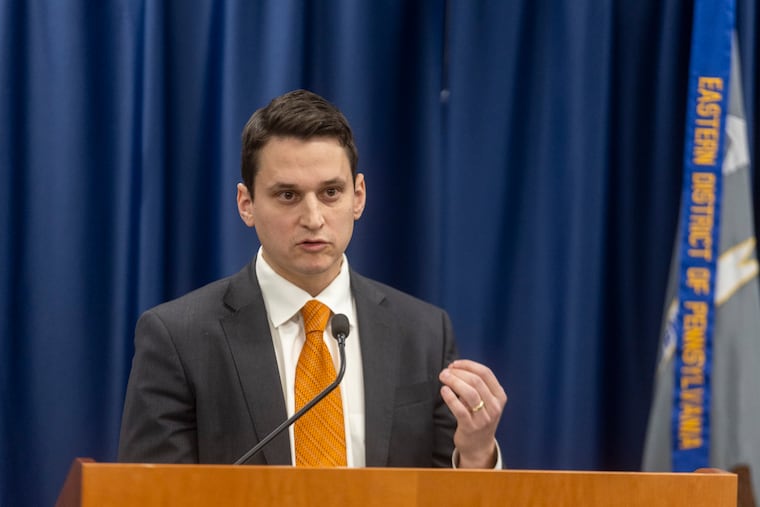
“It’s scary for people,” said Corey McMillan, co-lead of the project and co-director of the Penn Frontotemporal Degeneration Center. “They see their parents or their aunts and uncles or their grandparents dying of ALS or FTD and know that they’re at risk for the same course.”
People with ALS typically die within two to five years of symptom onset, with an average survival rate of three years. The average life expectancy for FTD is seven to 13 years after symptoms begin.
Most clinical trials targeting these diseases have failed, in part because researchers may be intervening too late, he said. For many patients, the diseases have already been brewing for years by the time novel interventions are tested.
But if scientists can find reliable signs of disease before symptoms appear, they could start planning clinical trials aimed at prevention.
“We want to intervene early and actually prevent disease from even happening at all,” McMillan said.
That requires identifying biomarkers: a measurable substance or process in the body.
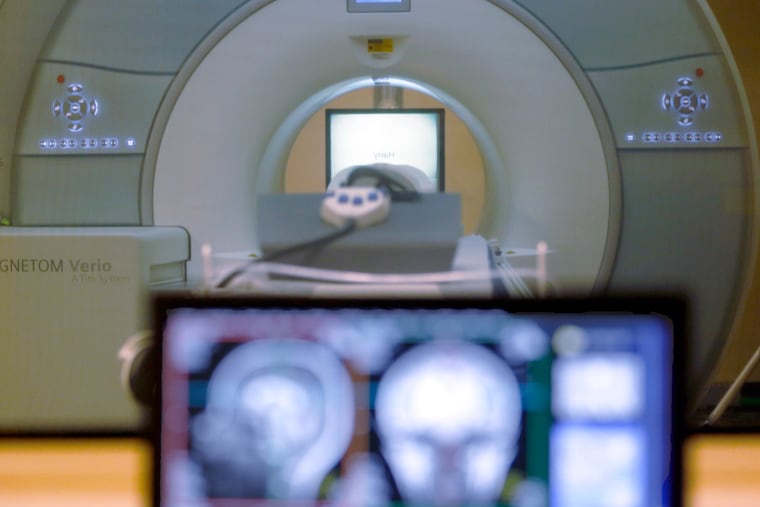
In this collaboration between Penn and the University of Miami, researchers will track 330 carriers who are over the age of 45. The participants will undergo regular cognitive and motor testing, MRI scans, and analyses of body fluids.
McMillan expects a subset will develop ALS or FTD during the five-year study, allowing his team to test whether potential biomarkers can predict disease onset.
For Yentli Soto Albrecht, a 33-year-old Penn MD-PhD student who is not involved in the study, the project offers hope.
Her father died from ALS, and she is a carrier. As founder of CureC9, a research program within the Washington-based nonprofit EverythingALS, she’s been pushing for studies like these that focus on prevention.
“With these biomarkers, there is a chance that in five years we might have a prevention trial,” Soto Albrecht said. “That means that I might have hope of not dying of these diseases.”
At risk
Imagine copy-and-pasting the same word over and over again in a text file.
The C9orf72 gene contains a similar series of repeats in its genetic code.
Normally, the sequence is repeated fewer than 30 times. But in people with the genetic variant, it can be repeated up to thousands of times.
That so-called “repeat expansion” is what puts carriers at higher risk of developing neurodegenerative diseases.
“If you have a C9 expansion, it’s a coin toss of whether somebody gets ALS or they get FTD,” McMillan said.
Carriers can develop disease at a range of ages, making it difficult to predict onset. However, scientists believe biological changes may begin years before symptoms appear.
The challenge is identifying those changes.
The team has five candidate biomarkers that, based on preliminary data, they believe could predict disease onset. One is the volume of the thalamus, a region of the brain that they hypothesize gets smaller when disease nears.
The team will be testing each biomarker individually and in combination with others in this study.
“If we can show that those markers work, then we’re ready to do the first C9 prevention trial,” McMillan said.
A disease prevention trial
For Penn’s Soto Albrecht, birthdays are bittersweet.
Each year brings her closer to potentially developing ALS or FTD. She faces a 50% chance of developing one of the diseases by age 55 and a 95% chance by age 65.
C9orf72 carriers like her have no known preventive options, and most clinical trials focus on treating patients who already have symptoms.
One barrier to prevention trials is a lack of biomarkers that can show whether the disease is developing.
“You could have the perfect gene therapy that modifies C9 [the risk gene], but if you don’t have the tools to test whether it’s working or not, then you’re not going to do that trial,” McMillan said.
If his study successfully identifies biomarkers, that could help researchers identify people at highest risk of disease and provide a measurable outcome to show whether their course of disease has changed as a result of a trial.
This, he hopes, could entice drug companies to invest in developing and testing treatments for prevention.
It would also make it possible to pinpoint disease onset more accurately, regardless of a person’s age. The team is excluding carriers younger than 45 from this study to maximize the chances of catching disease onset.
However, Soto Albrecht knows a patient under the age of 30 who is dying from C9-related ALS, and another just shy of 40 who was recently diagnosed.
“In the absence of knowing what the biomarkers are, we’re leaving people in the dust,” she said.
Penn will be one of 14 study sites nationwide. The team plans to start enrolling by December, and has resources to fly participants out if they do not live near a site. Interested people can reach out to C9Prevent@miami.edu.