Why hospital-to-office care transitions are getting tougher | Expert Opinion
The movement from a family doctor handling all care to hospital-based specialists for in-patient care is an overall positive, but it makes moving back to the general practitioner more challenging.
One of my patients was hospitalized recently with a cancer that had spread to his bones and was causing severe pain. He left the hospital with a five-day prescription for pain medication. The hospital-based medical team was cautious in limiting his access to potentially addictive medications, given that they would not manage his care in the long term. But his follow-up appointment at my office could not be scheduled for another 10 days. Thankfully, he did not suffer so long; our care manager worked with me to provide a refill to last until he came in for his post-hospitalization visit.
His experience shows how the rise of hospital medicine — an improvement in many aspects of inpatient care — has also created a growing disconnect between the hospital and the physician’s office at the exact moment patients are most vulnerable.
When I started practicing medicine, my clinical duties included taking care of patients both in the hospital and at my outpatient office. I would make hospital bedside rounds early in the morning, then head to the office for the day, often returning to the hospital in the late afternoon to admit new patients and address concerns. When patients left the hospital, I was the one who wrote the discharge summary, filled out and reviewed the medication list, and made sure they understood the follow-up instructions. And when patients returned to my office, I was familiar with their hospital experience and could easily troubleshoot any complications.
Since a movement to specialists called hospitalists took hold in the early 2000s, physicians who only work in hospitals have managed my patients when they require that level of care. While having doctors who are fully devoted to hospital care is a net positive for patient safety, outcomes, and efficiency, it has compounded the challenge of hospital-to-office care transitions.
If you have been hospitalized recently, you may have noticed a strong emphasis on getting in to see your primary care clinician (PCP) as soon as possible after discharge. Studies have shown that a quick and thorough transition from hospital to a doctor’s office can help prevent clinical deterioration and hospital readmission. But many patients do not have a PCP, and those who do find it challenging to schedule a visit within the ideal one- to two-week time frame.
As a result, many health systems, including the one where I work, are focused on preventing patients from getting “lost in transition.” Nurse care managers track hospital discharges and quickly reach out to patients to review their hospital course, medication changes, care needs, and offer help with timely appointment scheduling.
This resource-intensive process strains health system budgets. At the same time, primary care practices across the country face workforce shortages and growing administrative demands, making rapid post-discharge access increasingly difficult. The greatest stress ends up falling squarely on patients who are fragile and trying to follow post-discharge instructions.
So what can you (and people who support you) do to advocate for yourself when you are discharged from the hospital?
First, before you leave, ask for an updated list of medications, and be aware of any changes. Also, be sure all follow-up instructions are clear.
Reach out to your primary care office immediately after you return home to schedule an appointment. Be sure to mention that you were just discharged from the hospital in case the practice reserves urgent slots for post-hospital care. Also, be prepared to receive an outreach call from one of your health system’s nurse care managers, an important advocate and bridge to resuming office care.
At the time of your post-hospital visit, bring in all of your medication bottles and a written list of questions or concerns. If possible, bring a support person — a family member or friend — along with you to help facilitate and remember the conversation.
When a patient leaves the hospital, successful recovery depends on a seamless handoff between inpatient and outpatient care teams and on patients having the support they need to navigate an increasingly complex healthcare landscape.
Years ago, that bridge between hospital and office often rested with a single physician. Today, it depends on coordinated teams working in partnership with patients and their families to ensure patients do not fall through the cracks. Bridging that gap must remain a high priority.
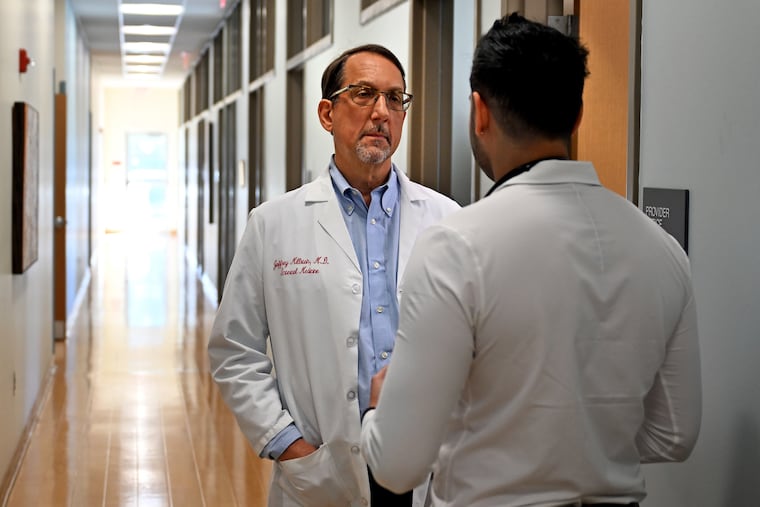
Jeffrey Millstein is an internist and regional medical director for Penn Primary and Specialty Care.