New ICD codes will soon permit doctors to track medetomidine toxicity and withdrawal
Until last month, doctors had few ways to track the rise in medetomidine cases in their hospitals — because there were no International Classification of Disease codes associated with them.

In 2024, Philadelphia’s emergency room doctors began raising alarms about opioid users in severe drug withdrawal who weren’t responding to the usual medications to ease their symptoms.
Within months, doctors and health officials had identified the likely culprit: Medetomidine, an animal tranquilizer never approved for human use, had infiltrated Philadelphia’s illicit opioid supply. Now present in more than 80% of opioids sold illegally on the street, it causes dangerous blackouts and slow heart rates.
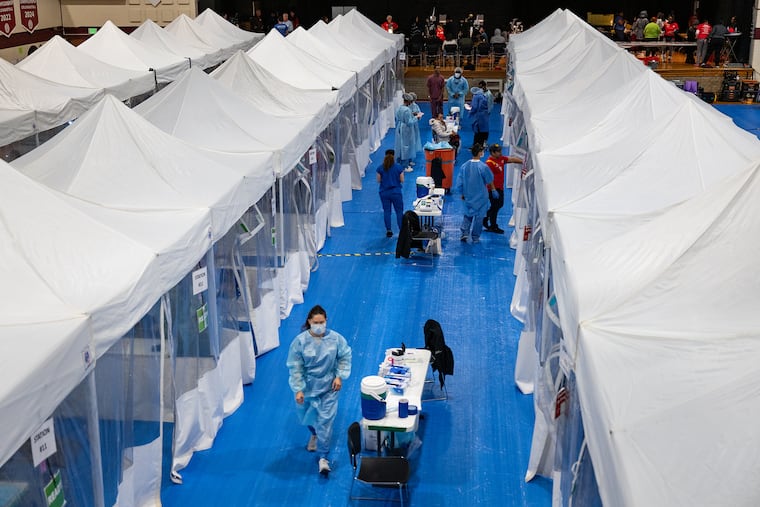
People withdrawing from medetomidine often then experience skyrocketing blood pressure, high heart rates, shaking, nausea, and vomiting. In some cases, the effects are so severe that patients require hospital intensive care.
Until last month, doctors had few ways to track the rise in medetomidine cases in their hospitals. That’s because there were no codes associated with them in the International Classification of Diseases (ICD) system, the standard for describing diseases, injuries, and other health information in patient records and for medical billing.
ICD codes are how doctors communicate what patients were treated for and how insurers are billed for their services. They are also crucial for tracking trends in public health.
Philadelphia health officials lobbied the Centers for Disease Control and Prevention for ICD codes to track medetomidine withdrawal and toxicity, the immediate aftereffects of the drug.
As of Oct. 1, doctors across the country can use an ICD code for medetomidine toxicity. By that date next year, the CDC will also institute an ICD code for medetomidine withdrawal.
The tracking will help doctors around the country to log patients’ symptoms more accurately, potentially improving care, said Daniel Teixeira da Silva, the director of the city health department’s Division of Substance Use Prevention and Harm Reduction.
“The goal of this is to be one part of the effort to improve care for people who use drugs,” he said.
Sharing best practices
Philadelphia’s health department learned from the city’s experience with xylazine, another animal tranquilizer that rapidly spread through the illicit drug supply several years ago. Xylazine, known as tranq on the street, caused extreme withdrawal symptoms and severe skin wounds leading to infections that could reach bones, spurring a rise in amputations.
In May 2024, xylazine was in 97% of illicit opioids analyzed through the city’s drug testing program; that percentage has dropped to around a third in recent months as medetomidine took its place.
Illicit drugs may be adulterated to enhance effects, save money, and other reasons. But with medetomidine, experts are not sure. Some have theorized that its use could be a response to the crackdown on xylazine, or a result of dealers attempting to entice customers with newer, stronger products.
Medetomidine is showing up in four out of five drug samples tested in the city’s most recent report this year, Teixeira da Silva said.
Philadelphia health officials and doctors also spearheaded efforts to create ICD codes for xylazine withdrawal and wounds, which went into effect last year.
“We have health systems that are adapting in real time,” Teixeira da Silva said. “They share what they’re doing, how they’re modifying withdrawal protocols and sharing best practices.”
Without specific ICD codes to track medetomidine symptoms, doctors had to cobble together other diagnoses on a patient’s chart to document their symptoms. But that still couldn’t give the full picture of a patient’s condition, said Kory London, the director of clinical operations at Jefferson Methodist Hospital.
For example, he said, patients would be admitted to the hospital for “opioid withdrawal,” a diagnosis that couldn’t capture the severe, life-threatening symptoms caused by medetomidine, a non-opioid sedative.
Before the rise of medetomidine, patients withdrawing from opioids stayed in the hospital for a shorter time and needed less medication and monitoring, said Phil Durney, the inpatient medical director of Jefferson’s addiction consult service.
“That same cohort is still coming to the hospital — but now they’re so critically ill that they’re requiring IV medication, having really dangerous blood pressure and heart rate shifts,” he said.
Frequently, patients need treatment in the ICU and require a completely different treatment regimen than a traditional opioid user, a challenge for doctors to document without a distinct ICD code.
“That’s really the blind spot,” Durney said.
The new codes will allow hospitals to understand the severity of a new drug crisis — and marshal resources to serve patients better.
“It’s really important that we are able to give the most accurate assessment of what’s happening with patients and what’s happening with the drug supply so we can try to act more efficiently in the future,” Durney said.
Medetomidine’s hold in Philadelphia
There’s little evidence cases are ebbing in Philadelphia, though the city did report a slight drop in emergency department visits for drug withdrawal in recent months.
Jefferson’s addiction medicine service mostly treats patients dealing with the effects of medetomidine, Durney said.
Even before the tracking code debuted last month, the health system had learned to identify medetomidine cases more quickly and treat them more effectively, he added. “But the majority of our patients are still requiring ICU-level care, experiencing really serious medical diagnoses,” Durney said.
And, London said, doctors and health officials are always on the lookout for a new adulterant in the supply.
“By the time a code is released, we have the potential of another adulterant,” Durney said.
Local addiction treatment providers have considered advocating for a catch-all ICD code that would allow doctors to track withdrawal from “new psychoactive substances.”
“I don’t think any of us have confidence this problem is going away,” London said. “The long term outlook is still [that] we’re waiting for the shoe to drop on the next adulterant.”