Using your phone to find trustworthy medical information | Expert Opinion
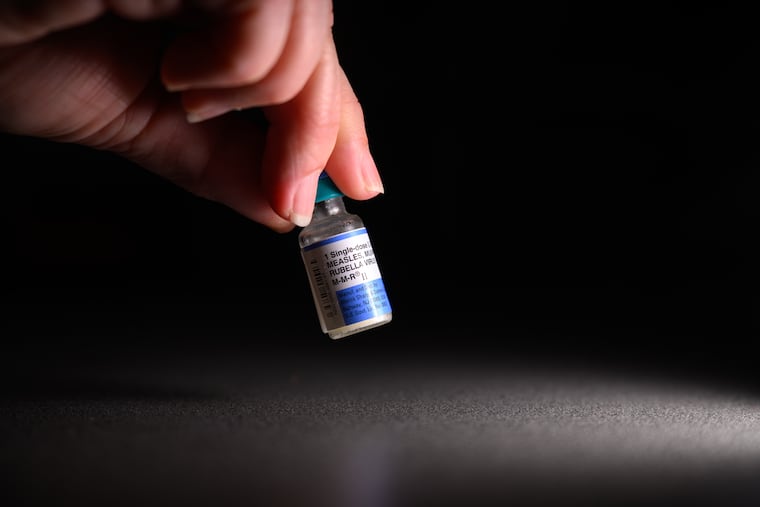
Social media myths are multiplying and preventable diseases like measles are causing illness and even death. Parents have an online resource where their questions to physicians are getting answered.
We have seen patients die of preventable whooping cough, bleed from vitamin K deficiency, and jeopardize their health by taking colloidal silver supplements — all in the name of “wellness” rather than evidence-based medicine.
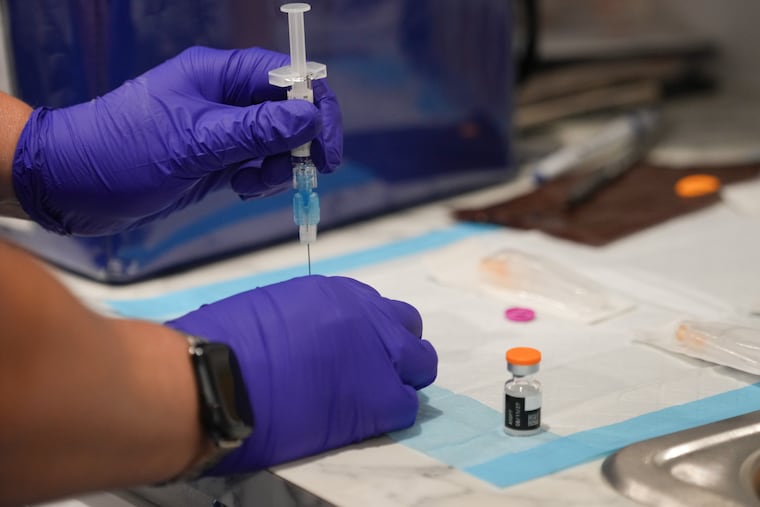
Social media myths are multiplying and preventable diseases, like measles, are making a comeback, causing illness and even death in our pediatric patients. We know parents trying to make the best choices for their children often consult online resources to make health decisions.
A year ago, we created Pediatric Health Chat at Children’s Hospital of Philadelphia, an online resource to help parents sort facts from fiction. We started collecting examples of misinformation on children’s health topics in real time, as parents brought their questions and concerns to doctors across our health system.
Parents today are raising children in a digital world where information is easy to find, but credibility is hard to assess. Health influencers online tout expertise and cite research that seems legitimate to build trust. They foster familiarity by posting often, and social media algorithms amplify their controversial messages. With artificial intelligence layered in, who’s behind posts is getting harder to decipher.
Fear-based messages online discourage parents from following evidence-based care, playing with their emotions and planting seeds of doubt in the medical system that is meant to help them. Conversations that used to be routine at a doctor’s office now feel like stressful decisions about identity and politics, rather than science.
Yet one-on-one, parents still trust their child’s pediatrician most. And for that, we are grateful.
We wondered: Can a children’s hospital become a health influencer? In bringing trusted experts out of the hospital and clinic and into your feed, can we offer patients and families a source of information that is authentic, scientific, and reliable?
Our Pediatric Health Chat team uses a survey tool to track misinformation clinicians hear from patients and families and then creates videos and blog posts on those topics. CHOP shares the videos across its social media platforms weekly, ensuring experts are out there providing real answers to pediatric health questions.
Over 300 pieces of misinformation have been reported so far, with 39% concerning vaccines. Other trending topics include leucovorin, Vitamin K, stem cells, and infant formula.
Many of these might not be surprising if you follow media headlines — but the tracker also identifies niche topics that are less likely to be breaking news but are our most searched for: saffron for ADHD, ivermectin for brain tumors, and chlorophyll for body odor. In identifying the topics the Philadelphia community brings to their healthcare team, we can ensure good information is available to families
With over 3 million views of our content to date, we have demonstrated that a children’s hospital can meet patients and families outside the walls of clinics and hospitals, at any time of day, just like widely followed social influencers.
But instead of random posts promoting a veterinary medicine for a child’s brain cancer, we have a renowned pediatric neurooncologist from CHOP explaining the risks of using this medicine rather than the gold standards of care. While access to pediatric specialists can feel limited, we can provide experts when patients and families need them most. We can call out pediatric health myths and rumors and instead offer families information they can trust.
CHOP is known for its cutting-edge pediatric research and for providing the care patients need when they need it. This now includes on their phones. So, instead of clicking through a post about a new supplement or miracle cure, follow Pediatric Health Chat to learn what CHOP’s trusted pediatricians say.
The views expressed in this article are those of the authors and not necessarily those of CHOP. This information is not intended to provide medical advice, diagnosis, or treatment. Always consult a qualified healthcare professional regarding any health or medical concerns.
Katie Lockwood MD, MEd is a primary care pediatrician at Children’s Hospital of Philadelphia. She and CHOP neonatologist Joanna Parga-Belinkie, MD, are co-founders of Pediatric Health Chat, (chop.edu/pediatric-health-chat), an online initiative providing resources for families looking for good information on the latest myths and misconceptions about children’s health.