Your questions about Pennsylvania’s measles outbreak, answered
A list of frequently asked questions about this highly contagious virus.
Pennsylvania is grappling with its biggest measles outbreak in three decades, with the most deaths reported in the nation in a single year since 1992.
Here are answers to frequently asked questions about this highly contagious virus, according to federal, state, and local health agency resources and advisories.
How do you catch measles?
Measles is spread through the air, from an infected person. The virus can linger in the air and on surfaces for up to two hours. People can become infected if they inhale contaminated air, or touch a contaminated surface and then their eyes, nose, or mouth.
How contagious is measles?
Measles is the most contagious virus known to humans. Nine out of 10 unvaccinated people who come into contact with measles will get sick.
What are the symptoms of measles?
The most common signs of measles include high fever, cough, runny nose, watery eyes, and a blotchy rash. Severe complications are rare but can include pneumonia, brain swelling, and neurological problems. About one out of every 1,000 measles patients develop acute encephalitis — brain swelling that can lead to permanent brain damage, according to the U.S. Centers for Disease Control and Prevention. About one to three out of every 1,000 measles patients die from complications.
Who is at greatest risk for severe illness?
Infants and children under age 5 are at high risk, and adults can also experience serious complications. So can pregnant women and people with weakened immune systems.
Individuals in these groups who are unvaccinated — for instance, infants who are too young to receive the vaccine and people being treated for cancer who can’t be vaccinated — are particularly vulnerable. But the virus can cause severe complications even among people who are otherwise healthy.
How long is a person with measles contagious?
Measles is contagious for an eight-day window: four days before rash symptoms appear, through four days after. Symptoms typically appear within seven to 14 days after exposure, but can take up to 21 days. So a person with no rash can still be contagious.
What does a measles rash look like?
A measles rash starts as flat red spots on the face near a person’s hairline. It usually appears three to five days after a person develops early symptoms linked with a variety of illnesses, like a fever, a cough or a runny nose, according to the CDC.
The rash then spreads downward across the body. A person might also have small, raised bumps on top of the flat red spots, the CDC says, and the spots might appear to join together as they spread.
How can I protect myself against measles?
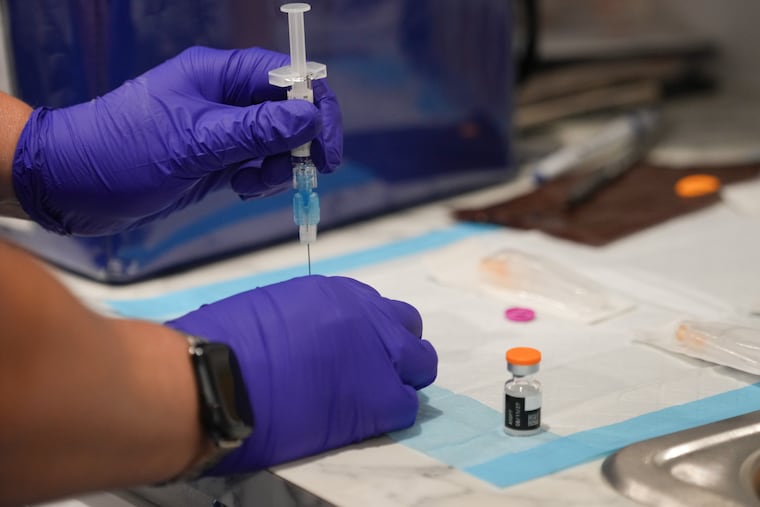
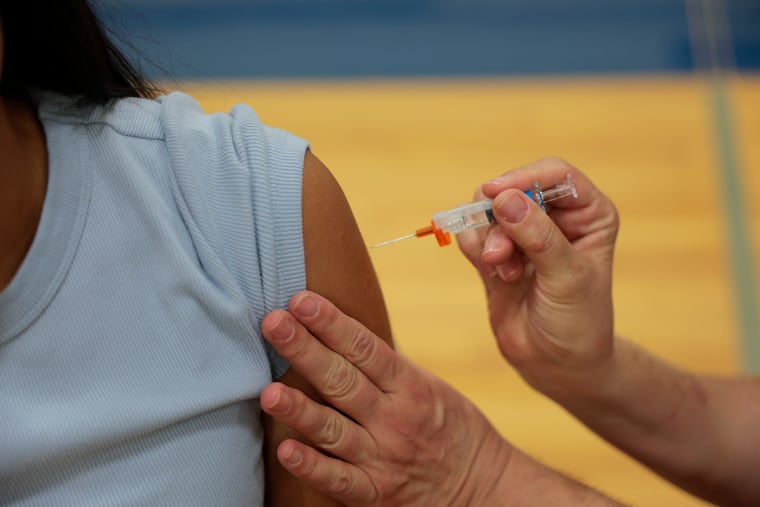
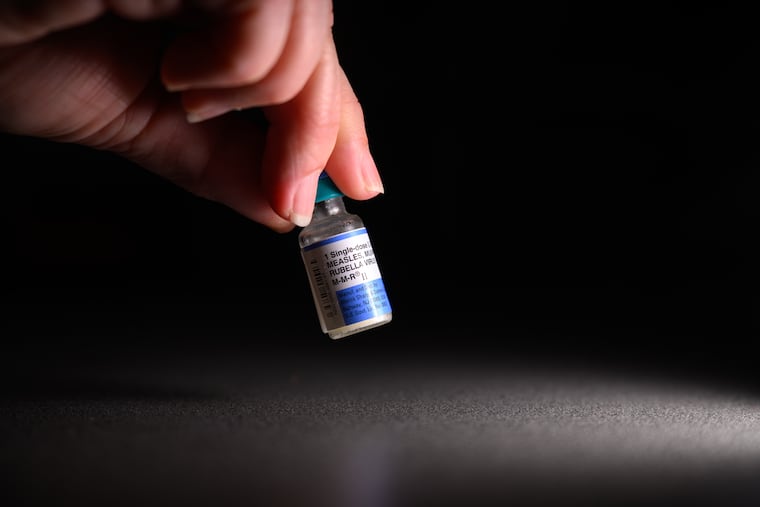
Get vaccinated. Two doses of the measles, mumps and rubella (MMR) vaccine offer 97% protection against measles, making it the most effective way to avoid getting sick.
Unvaccinated people who have already been exposed to measles can get an MMR shot within 72 hours of the exposure, which may provide protection against the virus. Patients who are vaccinated may experience a milder illness if they do develop measles, the CDC says.
In some cases, people at high risk of severe disease can take an antibody treatment, immune globulin, within six days of exposure. After a measles exposure in a neonatal intensive care unit at Children’s Hospital of Philadelphia, infants there who were too young to be vaccinated received preventive antibody treatments.
While immune globulin may offer some protection, no specific treatment has been developed for measles.
Can you get measles if you are vaccinated?
Chances are low, because the vaccine is so effective. So-called breakthrough infections in vaccinated people occur in about 3% of cases. Vaccinated individuals who are in areas with widespread measles cases are at greater risk.
In September, Pennsylvania officials reported four people who were appropriately vaccinated and still contracted measles. None required hospitalization and the cases represent less than 1% of the total measles cases reported in the state this year.
When do kids get the measles vaccine?
Leading physicians’ groups and the CDC recommend children receive the first dose of the measles vaccine at one year of age, and a second dose before entering kindergarten, around age 5. The vaccine is among those required to attend school, though a growing number of families have legally opted out for various reasons.
In Pennsylvania, doctors have begun recommending a “dose zero” for children who are at least six months old, and accelerated shots for kids over 1, if they live in an area with an active measles outbreak.
» READ MORE: More Philly-area classrooms are seeing lower measles vaccination rates. How protected is your school?
Do adults need a measles booster?
Most adults who are fully vaccinated or considered immune from a childhood infection do not need a booster. But people who live in an area with high measles transmission may want to get tested for measles antibody levels.
A titer test measures antibodies in the blood of people who are immune to the virus either from vaccination or past infection. People with low levels of antibodies may benefit from a booster shot.
How is measles treated?
Since measles has no direct treatment, options focus on managing symptoms. Mild, flulike symptoms can be treated with rest, hydration, and over-the-counter pain relievers.
People who have measles should isolate themselves for at least four days after developing a rash, and caretakers should wear an N95 mask while in the same room.
More severe measles complications, such as difficulty breathing, pneumonia, severe dehydration, or extremely high fever require hospital care.
How is measles different from chickenpox?
Chickenpox, or varicella, is caused by a different virus, the varicella-zoster virus. It is less contagious than measles, the CDC says, but can still infect about 90% of unvaccinated people who come into close contact with a person with chickenpox.
A measles rash is flat and blotchy and starts on the forehead, while a chickenpox rash begins with red spots on the chest, stomach, face, and back that then turn into itchy blisters that eventually scab. Once all sores have scabbed, the person is no longer contagious.
How is measles different from rubella?
Rubella, sometimes called “German measles,” is not caused by the measles virus. No longer common in the United States, it’s particularly dangerous for pregnant women and can cause serious birth defects or miscarriage, the CDC says.
Why is measles dangerous?
Most people who get measles recover without serious complications.
But about one in five unvaccinated people who get measles must be hospitalized, as seen this year in Pennsylvania’s outbreak. Additionally, up to one in 20 children with measles will develop pneumonia, and one in 1,000 children will develop swelling of the brain, according to the CDC.
Getting measles during pregnancy can contribute to a premature birth, low birth weight, and even miscarriage or infant mortality.
Measles can also put patients at a higher risk from other infections, an effect known as “immune amnesia” that can last months or years, the CDC says.
Pennsylvania health officials have reported five measles-associated deaths in the current outbreak.
The state defines a “measles-associated death” as one that occurs within 30 days of symptom onset in a person with clinical evidence of infection and a positive laboratory test, and who did not die of another unrelated cause, like a car crash.
Is there a measles outbreak near me?
Pennsylvania health officials update a dashboard tracking measles cases three times a week, so you can check to find out if there are measles cases in your county.
Where can I get a measles vaccine?
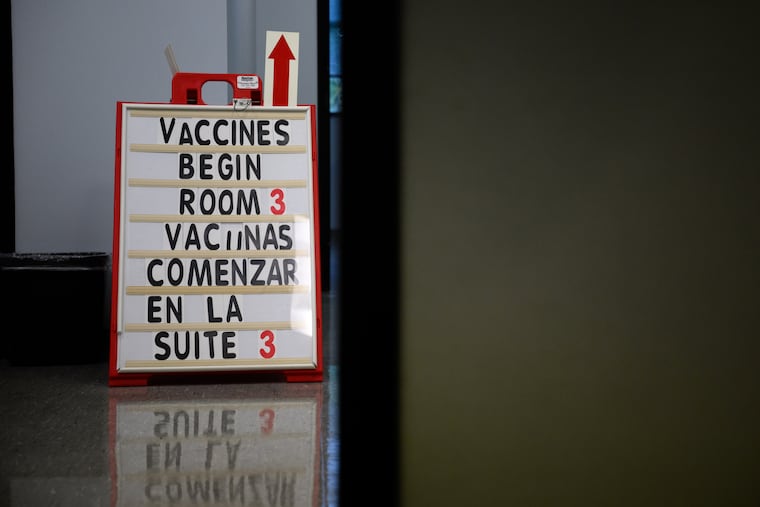
The MMR vaccine is widely available and usually covered by insurance. Call your pediatrician or primary care provider, or your local pharmacy. The vaccine is also offered at Federally Qualified Health Centers, state-run health centers, and county health departments.
Where can I get tested for measles?
Call your healthcare provider if you think you have measles. They can test you through a blood test, a urine sample, or a nose or throat swab. Healthcare providers can call the state health department at 877-724-3258, or contact their local health department, to report a case of suspected measles or ask questions about testing.
What should I do if I get measles?
Call your healthcare provider or the state health department’s toll-free hotline at 877-PA-HEALTH (877-724-3258) if you think you were exposed to measles and have symptoms.
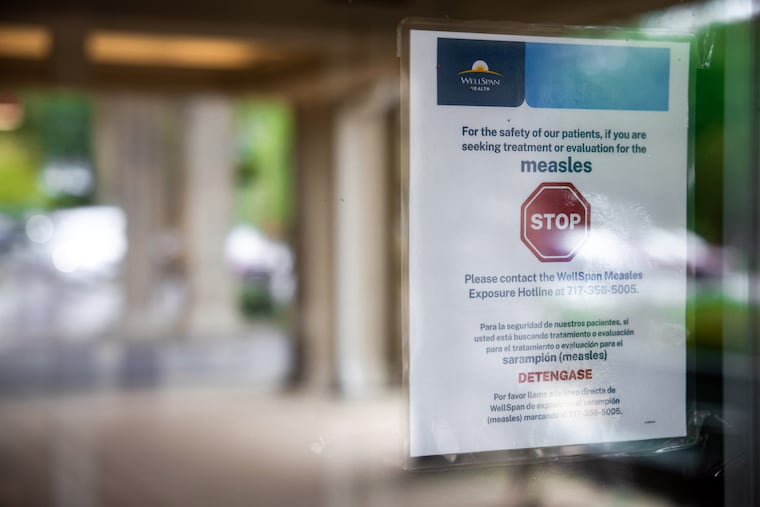
If you’re seeking care at a doctor’s office, urgent care, or hospital and believe you have measles, call ahead to let them know you’re coming, so they can take precautions to protect others.