Budget would limit expansion of FamilyCare
Gov. Corzine's budget calls for limiting new adult enrollment in a popular state health insurance program, reversing course on a health-care expansion he signed into law just nine months ago.
Gov. Corzine's budget calls for limiting new adult enrollment in a popular state health insurance program, reversing course on a health-care expansion he signed into law just nine months ago.
The change would backtrack on part of an initiative that some hailed in July as the first step toward universal health coverage in New Jersey. It would also save $9.7 million on a program whose costs have ballooned - growing by 75 percent for adult care in two years - just as state revenues deflated.
Sen. Joseph Vitale (D., Middlesex), a leading advocate for expanding health coverage, vowed to fight the plan to roll back adult eligibility for FamilyCare, an insurance program funded with state and federal money. Corzine's proposal would lower the income limit for parents to 150 percent of the federal poverty line, down from 200 percent.
"That's not going to happen," said Vitale, who sponsored the law that expanded FamilyCare last year.
On the other hand, Vitale praised Corzine's plans to improve children's health benefits by spending $1.2 million to eliminate premiums for low-income kids in FamilyCare. The program is expected to grow by $185 million overall, according to budget documents.
The two proposals reflect the competing demands on a governor who has stressed protecting "the most vulnerable" but who must also balance the budget amid difficult economic times.
"The budget reflects the priorities to ensure that we protect the most vulnerable as well as invest in education, protect our seniors, ensure public safety," Treasury spokesman Tom Vincz said. "At the same time, the governor's been very clear that this has been a very difficult balancing act for all stakeholders."
The new FamilyCare limits would mean that parents could enroll only if they earn 150 percent of the federal poverty line or less, a cap of $33,075 for a family of four. Under the expansion signed last year, adults in four-person families could have earned up to $44,100 and still been eligible.
The change would bring the adult income cap almost all the way back to the 133 percent of the poverty limit in effect before the expansion. No one would be kicked out of the program, but new participants would have to meet the tighter income thresholds.
Vitale, chairman of the Senate Health Committee, argues that having more insured parents and children saves money in the long run, because they won't end up at hospitals that rely on the state for support. He saw the FamilyCare expansion as the first small step toward health care for all New Jerseyans, and budget figures show that enrollment has soared.
But so have costs.
The program added 45,000 adults in the first year of wider eligibility and expects a 22,000-person influx in the new fiscal year.
The price tag for covering adults is expected to grow to $595 million in the new budget, up from $339 million before the expansion.
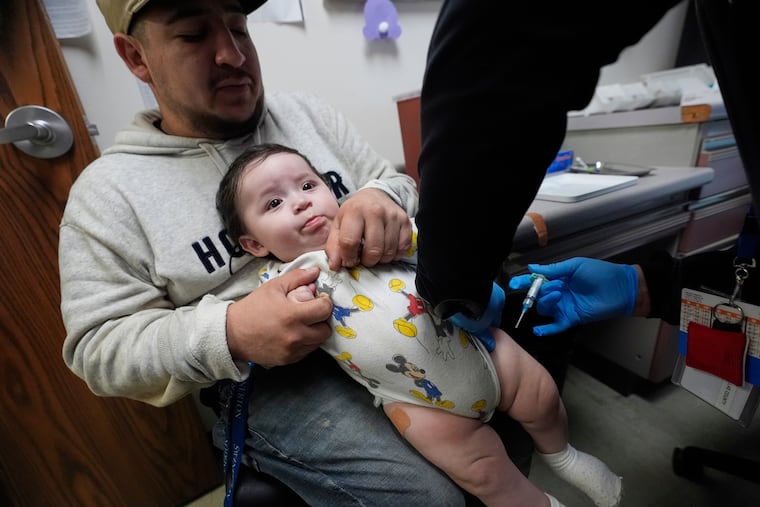
Though limiting adult enrollment, Corzine plans to boost benefits for children by eliminating a $19-per-month premium charged for children in families earning 151 percent to 200 percent of the federal poverty line (the same range as the adults who would be excluded). About 34,000 children in the program would benefit, as would any new participants in that income bracket who enroll. FamilyCare eligibility for children is much broader than for adults.
"Providing health care for our children is a priority in this budget," Corzine said in his March budget speech.
Other proposed changes to health-care spending, one of the largest elements of the state budget, include the painful - co-pays on Medicaid recipients - and the innocuous, such as buying prescription drugs more efficiently.
Advocates for the poor and disabled have criticized plans to add co-pays for Medicaid prescription drugs and AIDS medicines.
The two plans are expected to save $4.6 million and $1.36 million, respectively, but critics say those savings in a nearly $30 billion budget are not worth the impact on people who rely on the programs.
Corzine is the latest in a long line of governors to propose co-pay hikes, and he has signaled a willingness to, again, concede on the idea.
Other proposed steps would cut the cost of health coverage without significantly reducing services.
The state projects saving nearly $45 million on the Pharmaceutical Assistance for Aged and Disabled (PAAD) program, the related Senior Gold prescription drug program, and Medicaid spending through a combination of slower-than-expected growth, reducing the number of drugs covered and better purchasing deals, Vincz said.
Some items would no longer be covered by the state, including some cold and cough medicines and cosmetic items, said Donna Leusner, a spokeswoman for the Department of Health and Senior Services.
Vitale said some of those changes make sense, but he said exceptions should be made for cosmetic items related to larger health issues. Medication that helps regrow hair, for example, should be covered for someone who goes through chemotherapy, he said.