Trump administration probably can use NFL footage of Brian Dawkins without permission, an expert says
When asked if the Department of Homeland Security would comply with the NFL’s request to remove the video, a spokesperson responded with a meme photo of Bugs Bunny saying, “no."
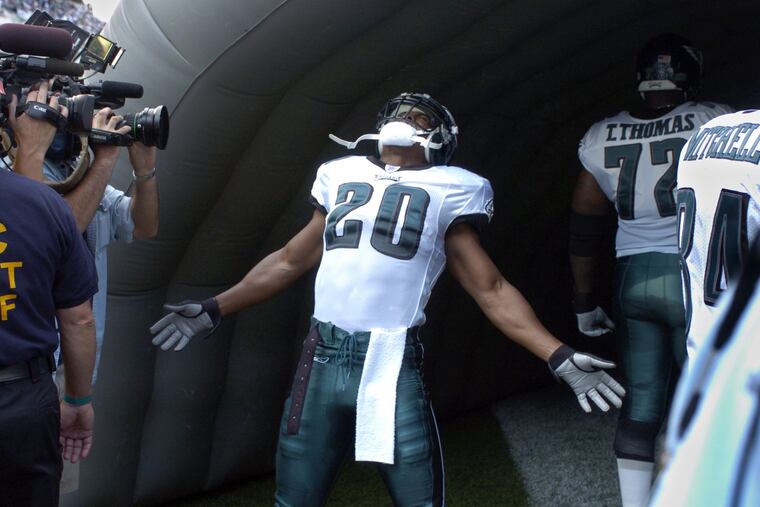
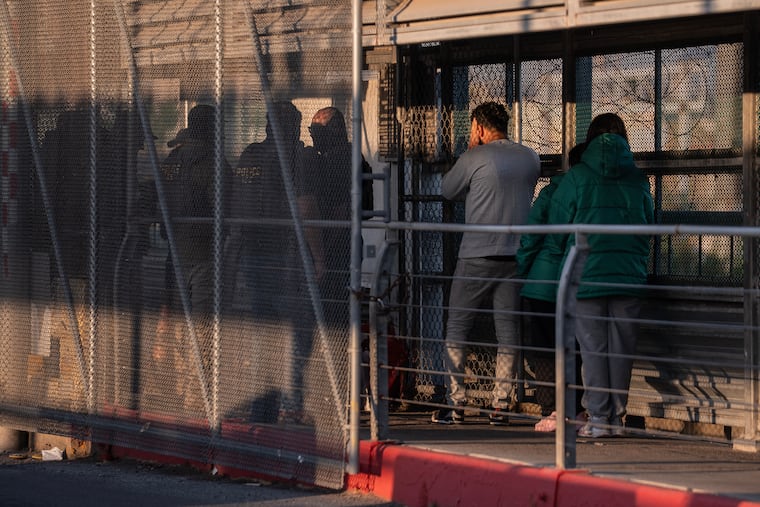
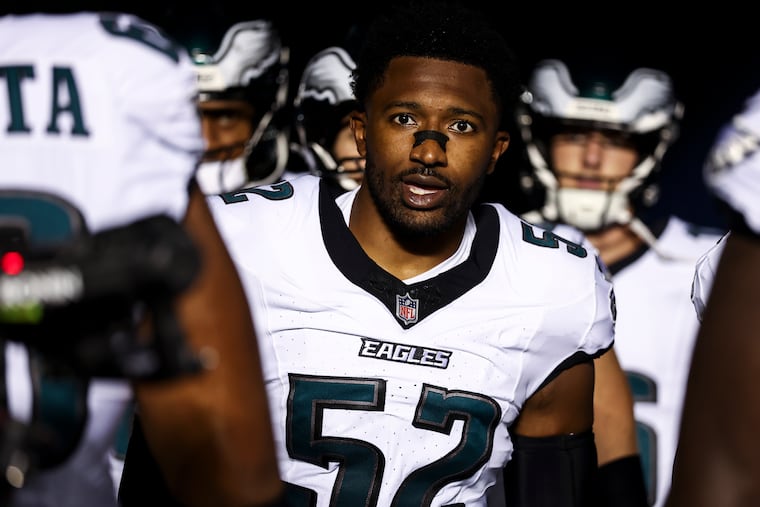
Neither the NFL nor Brian Dawkins gave President Donald Trump’s administration approval to post game footage of the former Eagles player on social media. But the Department of Homeland Security posted a montage of Dawkins to promote its immigration policies anyway.
The NFL asked DHS on Monday to take down the post, in which the agency responds to news about immigrants near the U.S.-Mexico border with a video of an edited NFL broadcast featuring Dawkins’ iconic walkout entrance. The video uses copyrighted NFL material, Dawkins’ likeness, and the band Korn’s “Blind” can be heard in the background.
When asked if DHS would comply with the request, a department spokesperson responded with a meme photo of Bugs Bunny saying, “no,” posted to social media by DHS General Counsel James Percival.
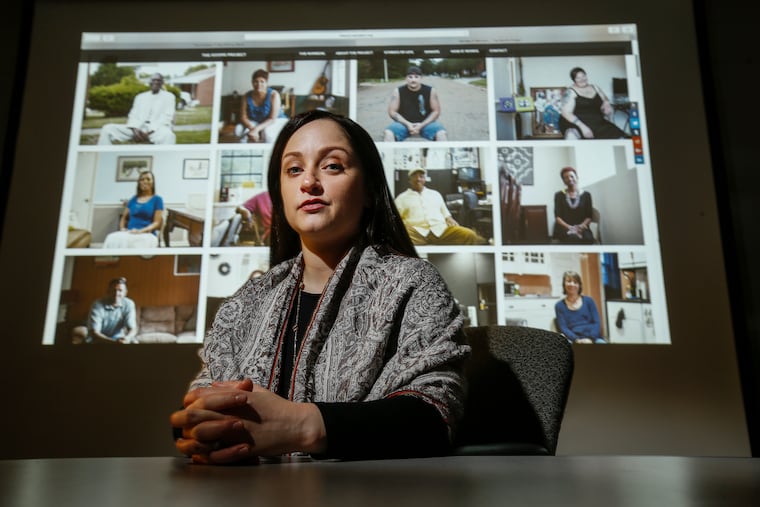
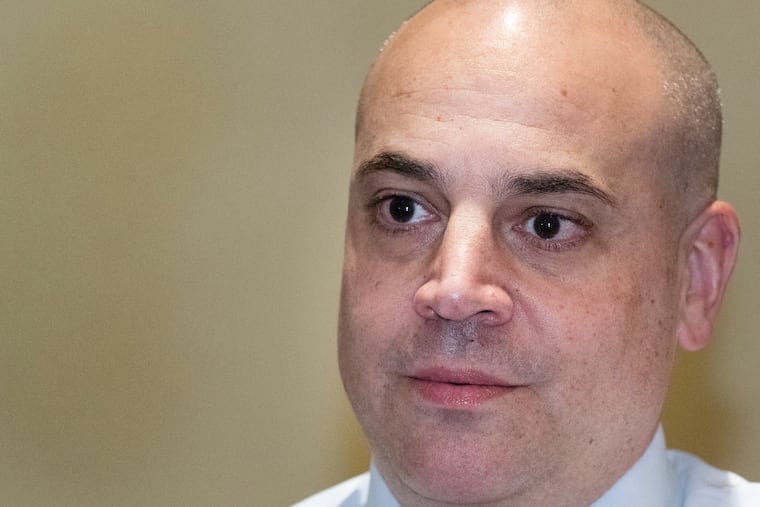
But is the government allowed to use copyrighted material without permission? In the case of the Dawkins video, they likely can, said Guy Rub, a Temple University law professor and intellectual property expert, who said the NFL footage and Dawkins’ likeness could fall under “fair use.”
Under the fair use doctrine, copyrighted material can be used without permission when the material is used in a “transformative” way to add new meaning or messaging, Rub said.
“There is a pretty good argument to say that this is transformative use. It takes the underlying footage and uses it for a new purpose — it’s not trying to compete with the NFL when they posted it. They are giving it new meaning, a new context under this framework,” Rub said, who noted he did not endorse the Trump administration’s messaging.
A major factor in fair use is whether the copyrighted material is being reused to make money. DHS was tying the footage to political speech, which is protected under the First Amendment, Rub said. It just happens that the government was the one making the political statement in this case.
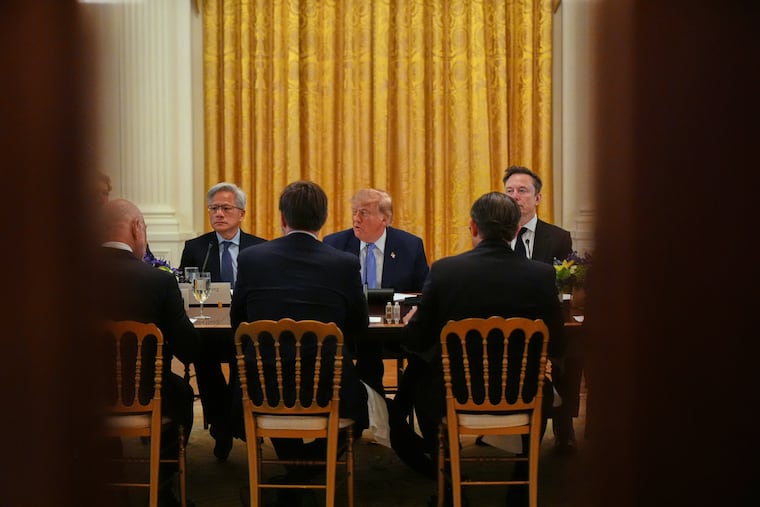
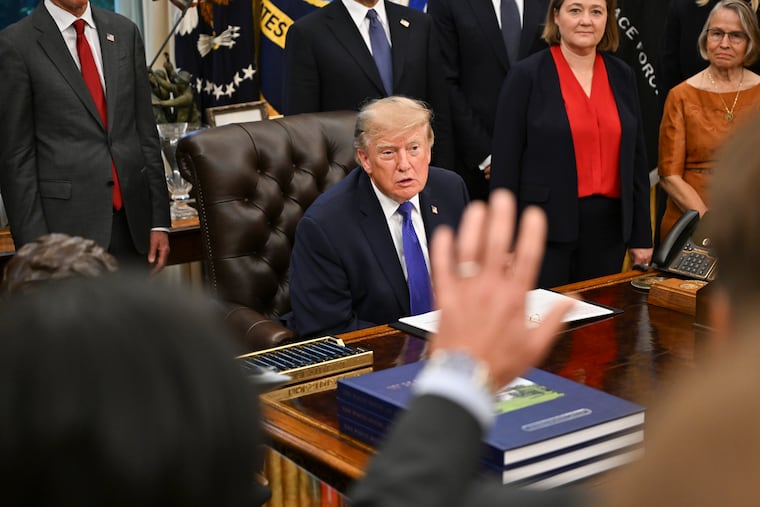
The Dawkins debacle is the latest controversy in the Trump administration’s use of copyrighted material in its meme-centric, Gen-Z-inspired postings on social media, often taking beloved cartoon characters and pop music to amplify Trump campaign slogans or immigration messaging.
Trump has drawn the ire of musicians for years for using music in videos and campaign events without permission since the 2016 election. But in his second term, Trump’s federal agencies have opened the floodgates with their takes on pop culture references.
So much so that companies like the one behind Pokémon, the hit children’s anime and video games, objected to the White House’s use of its cartoon creatures. Musicians from Tom Petty’s estate to Sabrina Carpenter have requested the removal of their songs from posts.
It can be hard to enforce these rules on the federal government, Rub said, but some do succeed, as was the case with the firm that owns the rights to Vince Guaraldi’s “O Tannenbaum” from A Charlie Brown Christmas, which settled with the Trump administration for $20,000 for a copyright violation.
However, collecting money, called “damages,” is the only recourse. Courts cannot force an injunction on the federal government, due in part to “sovereign immunity” — the government can’t be sued in its own court without consenting to it, Rub said.
The NFL is likely not looking for damages in the DHS case as it would be a very small sum for the 30 seconds of NFL footage repurposed for the meme, Rub said. But Dawkins might have a stronger case for “false endorsement,” as the post could be taken to mean Dawkins supports the Trump administration’s messaging. Still, Rub said false endorsement protections are usually only applied to those whose likeness or trademark has been used commercially. The DHS post would likely fall under noncommercial political speech.
“It’s part of the U.S.’s commitment to free speech,” Rub said. ”Free speech sometimes helps causes that you like, and sometimes it’s ones that you don’t. That’s part of free speech.”