Colin Kaepernick, ‘Black August,’ and the legacy of Black athlete activism
Inarguably, Kaepernick inspired others, athletes included, to find their voice in advocating for social justice.
It’s been said that a social movement can start with the smallest gestures. Ten years ago this month, a simple act by Colin Kaepernick sparked a movement. He chose to protest the playing of the national anthem by sitting and later kneeling, breaking with the norm of showing respect and pride by standing. On Aug. 26, 2016, during a preseason game, Kaepernick was photographed sitting on the bench as the anthem was being played. When questioned by reporters, Kaepernick explained:
“I am not going to stand up to show pride in a flag for a country that oppresses Black people and people of color … To me, this is bigger than football, and it would be selfish on my part to look the other way. There are bodies in the street and people getting paid leave and getting away with murder.”
Numerous professional athletes joined in his protest and spoke out to call attention to the history of anti-Blackness in the United States. African Americans were inspired to continue organizing and protesting — specifically around a series of high-profile killings of Black people, including Trayvon Martin in 2012, Michael Brown in 2014, and Freddie Gray in 2015.
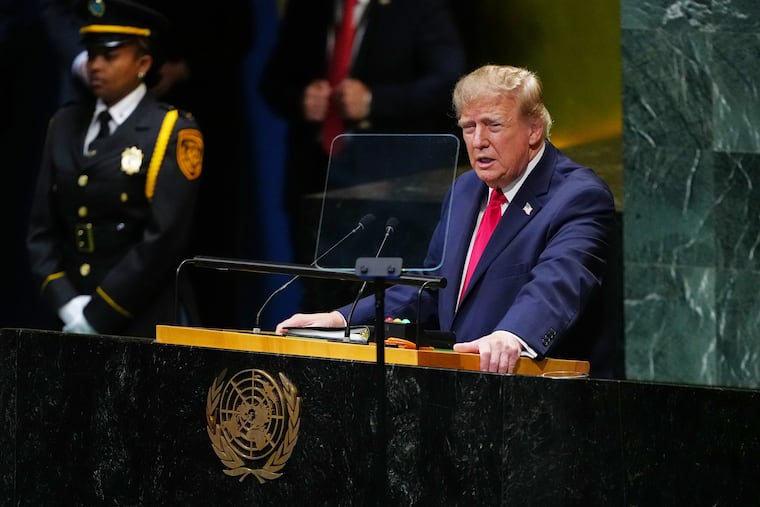
However, a poll conducted during that season labeled him the most disliked player in the NFL. Kaepernick became an easy target of political conservatives, including Donald Trump, who said, “Wouldn’t you love to see one of these NFL owners — when somebody disrespects our flag — to say, ‘Get that son of a bitch off the field right now, out, he’s fired.’”
It shouldn’t be lost on anyone that Kaepernick’s protest began in August. Among many activists, August is referred to as “Black August” — a nod to numerous historical milestones in our community, from the arrival of the first enslaved Africans in America in August 1619, to the March on Washington in August 1963, to the assassinations of members of the Black Panthers in California prisons in August of 1970 and 1971.
One social justice group describes the month as being “a celebration of freedom fighters past and present.” It is also meant to honor the lives and sacrifices of Black political prisoners and martyrs of the Black Freedom Struggle while calling attention to the plight of African Americans, particularly those in prisons — a recognition that Black people remain incarcerated at disproportionately high rates. The efforts of these freedom fighters are a modern rendering of the Black radical tradition.
The same is true for many Black athletes whose protests came at a cost to their careers and livelihoods.
Folks like Mahmoud Abdul-Rauf, whose NBA career was cut short for protesting the anthem.
Or Muhammad Ali, who lost his prime earning years and was stripped of his heavyweight title when he refused to fight in the Vietnam War.
Or Paul Robeson, whose career and freedom were derailed not only for naming anti-Black racism, but for organizing against it — and Jackie Robinson, of all people, played a role in discrediting him.
Kaepernick experienced a version of all of the above, too — months after he started his protest, he opted out of his contract, became a free agent, and was not signed by another NFL team. He later alleged in a lawsuit that the league’s owners colluded to keep him out of the game; that suit was settled in 2019.
That is the role of the freedom fighter: to advocate on behalf of oppressed people everywhere in ways that disrupt the status quo. Their advocacy marks the line of demarcation between those who fight for freedom no matter the cost, or work to continue the legacy of global oppression and exploitation.
Colin Kaepernick made that already divided line even more stark.
Inarguably, Kaepernick’s legacy is that he inspired others, athletes included, to find their voice in advocating for social justice.
Kaepernick, who now works as a civil rights activist, joined the aforementioned athletes as part of what sports writer Howard Bryant calls “the heritage”: the tradition of Black athletes using their public visibility and star power to speak out against racial injustice, even at professional and personal cost.
These athletes throughout history have made their positions clear. Whether we’re talking about Black lives in America, lives in Palestine, Congo, Sudan, Haiti, or Cuba, you’re either working on the side of empowering or exploiting. Kaepernick made clear where he stood 10 years ago.
To sufficiently honor his costly protest — and the protests of so many others — during Black August, we must ask ourselves if we can say the same.
Rann Miller is an educator and freelance writer based in Southern New Jersey. His “Urban Education Mixtape” blog supports urban educators and parents of children attending urban schools. urbanedmixtape.com @UrbanEdDJ