In his U.N. speech, Trump’s gushing self-praise could not disguise his foreign policy failures
The president’s triumphant claims about Iran, the Mideast, and Ukraine ring hollow to global audiences and the U.S. public.
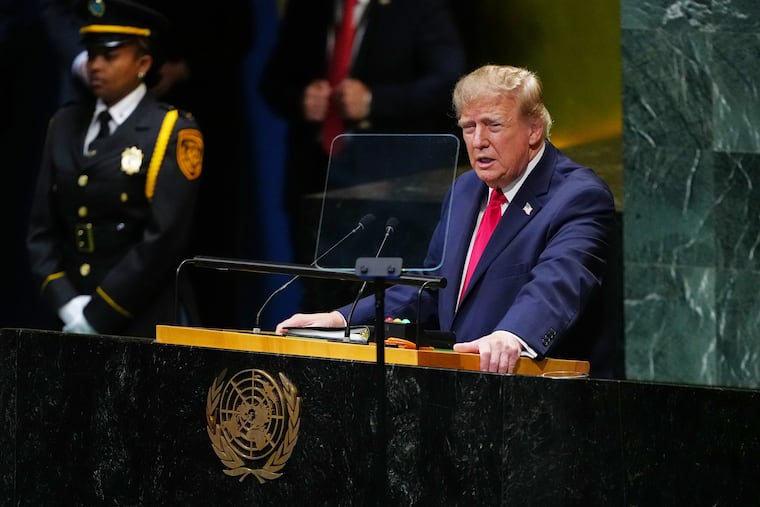
The scariest thing about President Donald Trump’s address to the United Nations General Assembly Tuesday was not the wild exaggerations, false claims, or disgusting slurs against (truthful) critics. That all has become par for the course and was to be expected.
Far more terrifying was the distinct possibility that POTUS believed his delusional description of his alleged triumphs — in the Iran war, in bringing peace to the Middle East and the world, and in pursuit of victory in an unbounded artificial intelligence race with Beijing.
Perhaps his 38 minutes of self-praise at the podium — to tepid applause at the beginning and end and mostly silence in between — were merely meant as a stump speech to rally midterm MAGA voters growing restless with his endless war. (Of course, most of his MAGA base will only see brief clips from the speech, since the president banned CNN, MS NOW, and Politico from the pool that normally covers such events, and the four other pool members — ABC, NBC, CBS, and Fox — stayed away in solidarity.)
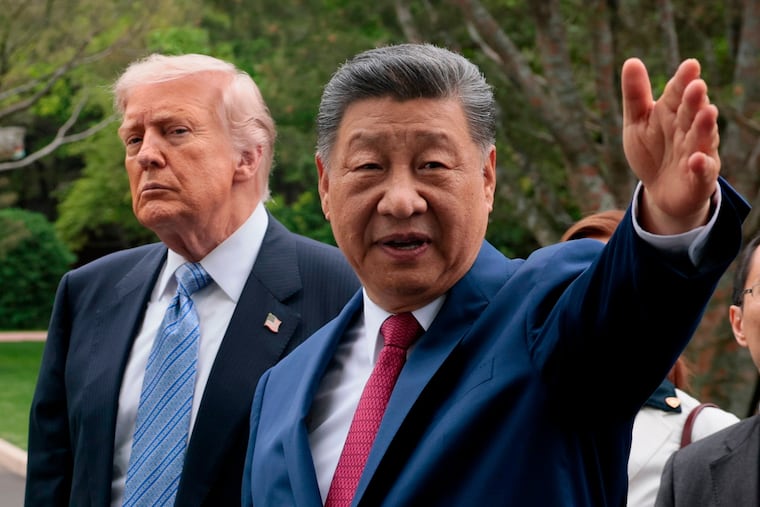
The greater danger is that, surrounded by sycophants, Trump truly believes his own hype. He showed no sign that he recognizes how Iran has out-strategized him, how Russia, China, and North Korea outmaneuvered him, and how he has alienated crucial European, Asian, and Mideast allies with his erratic and chaotic policies.
On the U.N. podium, he appeared as a braggart touting triumphs his audience viewed as U.S. failures. Yes, he still represented the world’s most powerful country, but his puerile speech reflected his inability to translate that power into securing American interests or a more peaceful world.
It is important for voters to fully grasp the self-delusion underlying Trump’s foreign policy. A new CNN poll shows only 29% of U.S. adults approve of POTUS’s handling of foreign affairs, with almost two-thirds saying the U.S. is not winning the Iran conflict. But domestic issues have become so paramount that many ordinary citizens can be excused for tuning out Trump’s overseas misadventures.
Having just returned from the bracing realities of Ukraine, here is my brief guide to Trump’s delusions or deliberate deceptions — take your pick — about foreign policy issues he raised at the U.N.
Iran
Trump verbally attacked the “cowards and traitors who would like to say we are low on munitions in Iran. That’s not true.” If POTUS were Pinocchio, his nose would have grown 10 feet at that lie.
In truth, it is Trump who is too cowardly to admit the truth to a public that is instinctively grasping it anyway. That truth, which has been laid out in reputable think tank studies and news reports, and by serving and ousted Pentagon officials, is that U.S. forces have consumed half to two-thirds of highly expensive missile interceptors in fending off cheap Iranian drones.
The Pentagon was not prepared for a war in which drones played such a major part. Never mind that Ukraine and some U.S. commanders had sounded the alarm beforehand.
Nor is Trump truthful when he brags that new munitions plants will soon replace any shortfalls, because, unlike rapid production cycles in Ukraine, rebuilding the most critical U.S. weapons stocks will take up to five years.
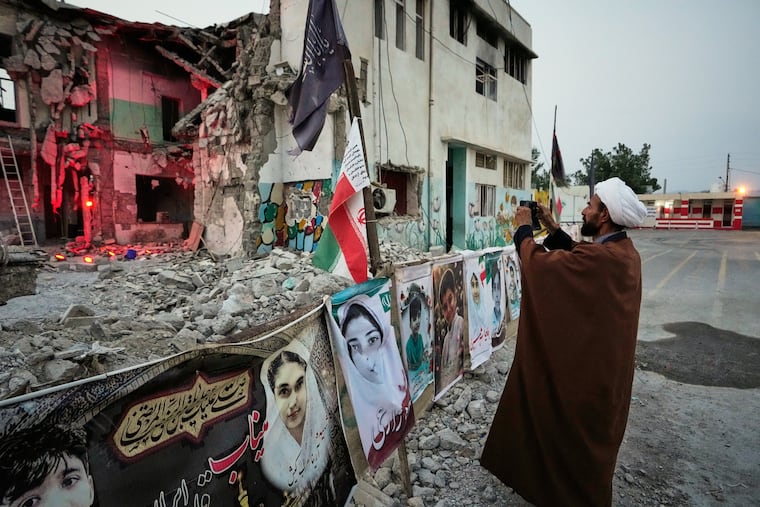
On the U.N. stump, Trump also repeated his mantra that he will never allow Iran to have a nuclear weapon. Yes, in 2025, a “12-day war” by the U.S. and Israel badly damaged Iran’s nuclear program. Yet, the current war, ongoing since February, has done little to nothing to further diminish that nuclear prospect. It is focused on lowering oil prices by reopening the Strait of Hormuz, which was functioning normally before Trump joined Israel in attacking Tehran.
Because of its diminished missile and interceptor stocks, the U.S. is in no position to reopen a kinetic war with Iran — let alone, to use Trump’s irresponsible threat, “annihilate” it. In real terms, Trump is stuck, with Tehran still able to control Hormuz and no way out of his self-inflicted trap, unless he makes concessions to Tehran. Meantime, the war is spreading to other Mideast countries and drawing in new players such as Yemeni Houthis.
Trump advertises his weakness when he desperately tries to convince fed-up Americans, in front of a U.N. audience, that peace is on the way.
The Ukraine war
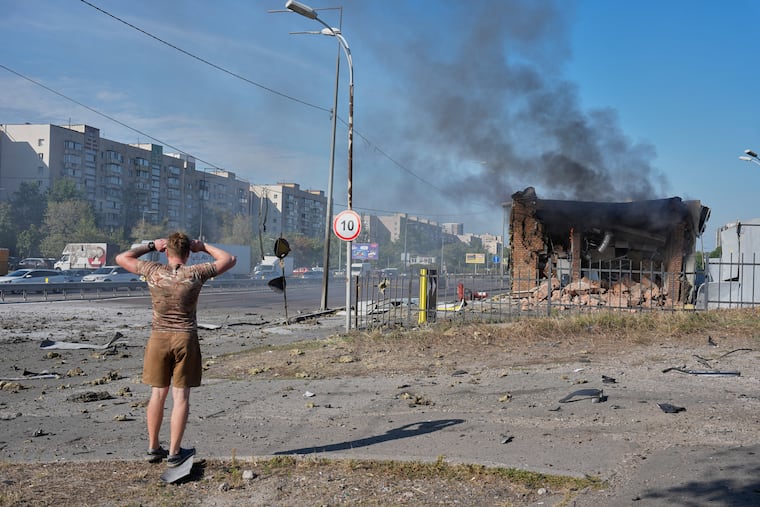
On the podium, Trump regurgitated his mantra that, regarding the war, “we will get that one done,” and that Russia and Ukraine have “had it.” But in truth, Trump’s refusal to pressure Moscow to stop destroying Ukraine’s civilian infrastructure, while demanding Kyiv stop targeting Russian oil exports, ensures there will be no ceasefire.
Why should Vladimir Putin stop his campaign of destruction when Trump only leans on Ukraine, and fails even to critique Putin’s new drone campaign against European airports and the industry of NATO members? Ukrainian President Volodymyr Zelensky said after meeting Trump Tuesday that he would agree to a ceasefire on hitting energy targets — but both sides would have to take part. Not likely, so long as Trump bows to Putin.
And don’t expect Trump to enforce the bipartisan sanctions bill newly passed in memory of U.S. Sen. Lindsay Graham. Repeat, POTUS refuses to pressure Putin, with whom his negotiating team is discussing “lucrative” business deals.
Trump as global peacemaker
The president shamefully read verbatim a long list of compliments by world leaders trying to pacify him, and once again exaggerated the “peace deals” he’s achieved — even though most were temporary ceasefires or have already been broken.
Trump praised his triumph in Venezuela — where, when talking about oil, he bluntly admitted that “to the victor belong the spoils.” He crowed that Cuba “will fall,” with no mention of the humanitarian disaster caused by the ongoing U.S. blockade.
And he bloviated about the “unprecedented agreement” the U.S. just signed with Denmark and Greenland, even though everything in that accord could have been agreed to under the terms of a 1951 treaty with Copenhagen, without alienating NATO allies by threatening to seize Greenland by force.
To sum up, Trump’s performance at the U.N. revealed a delusional leader who may still be feared by allies and small countries for his unpredictable and bizarre behavior that upsets the world economy, trade ties, and markets.
But adversaries watching the president’s self-praise could only conclude that a weakened old man with no clear strategy except self-aggrandizement now leads the world’s most powerful country. Voters of all parties, be aware.