Letters to the Editor | Sept. 24, 2026
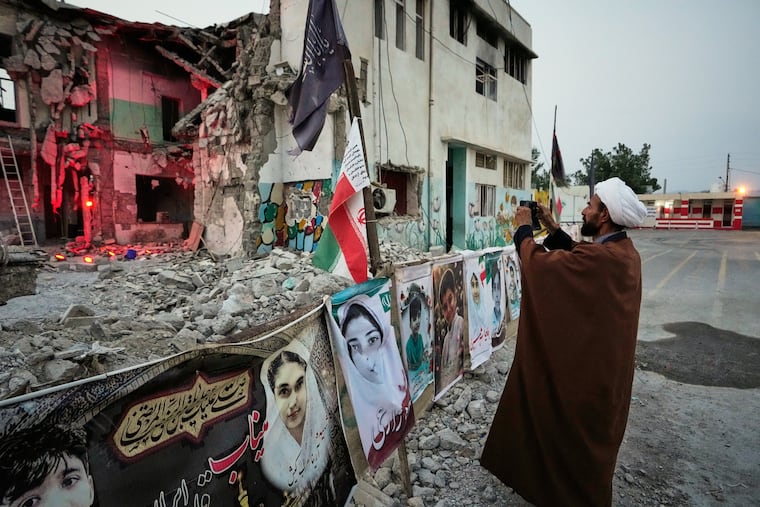
Inquirer readers on the war in Iran and the media ban at the White House.
Real allies
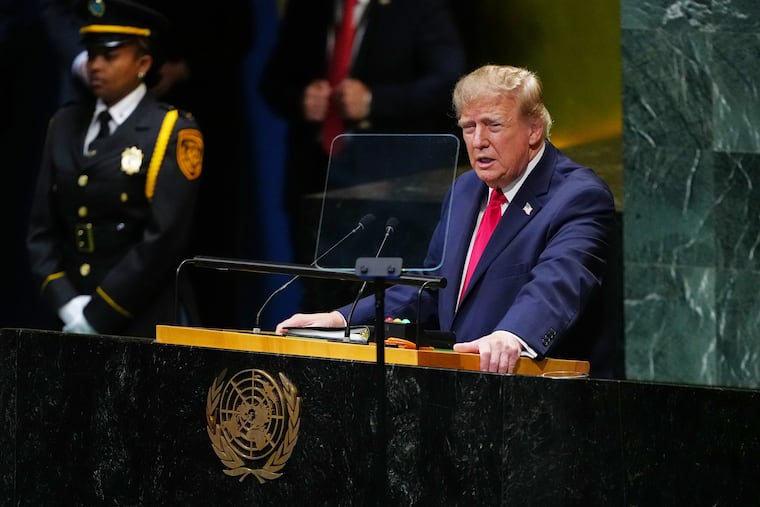
Current U.S. foreign policy is largely an extension of President Donald Trump’s excessive ego. He decides policy without accepting much advice from staff, the State Department, or formerly allied nations.
As demonstrated in the Mideast and elsewhere, this is a recipe for disaster.
The U.S. can develop stronger and better Mideast policy by considering the strategy and tactics suggested by NATO and the Gulf states. This includes basic goals such as the toll-free passage of all vessels through the Straits of Hormuz and Bab al-Mandab.
Establishing a Mideast policy working group with senior representatives of NATO and the Gulf Cooperation Council (founded in 1981) would demonstrate the U.S.’s seriousness in truly revising existing Mideast policy and its implementation. Iran would also likely find these proposals more credible and more worthy of its consideration.
This working group must restate what it is willing to offer Iran, e.g., the removal of economic sanctions, the end of the naval blockade, and possibly the issuance of generous redevelopment loans.
It will be difficult for President Trump to have this working group take the lead without his support. However, he should appreciate that this will be politically advantageous for him in light of his current adverse situation.
Raymond Tillman, Westbrook, Maine
Global silence
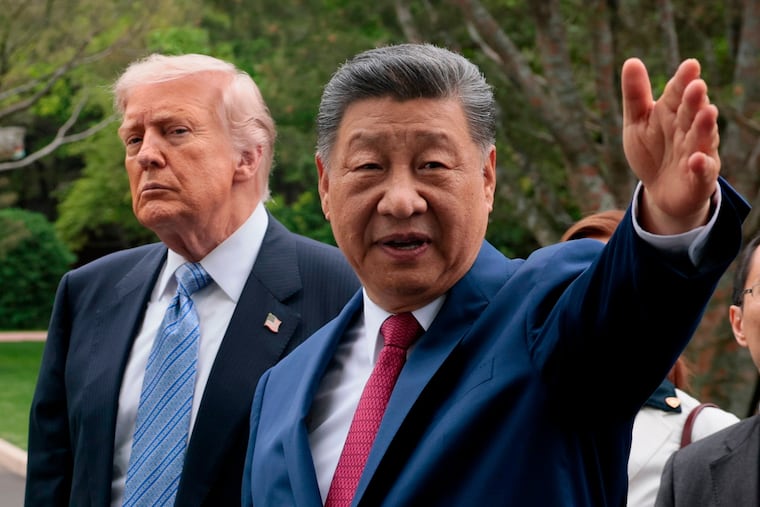
Chinese Communist Party leader Xi Jinping is set to meet with President Donald Trump this week. Will it be business as usual? Human rights under Xi have deteriorated rapidly since he took power in 2012, with increased state control and repression of dissidents reaching far beyond China’s borders. China’s repression of Falun Gong, a peaceful meditation practice heavily persecuted since 1999, has been especially brutal. Falun Gong practitioners, between 70 million and 100 million at the start of the persecution, undergo the forced extraction of vital organs that supply China’s transplant industry. This form of mass murder, a $9 billion industry now also targeting Uyghurs, is made possible through international apathy. Under Xi’s direction, U.S. media and social media are being used as part of a disinformation campaign intended to influence public perception of Falun Gong. If we don’t care, we won’t speak out — business remains as usual. I believe our voices can make a difference. Ask our U.S. senators to support the Falun Gong and Victims of Forced Organ Harvesting Act, a bipartisan bill designed to end this atrocity and protect our nation from complicity.
Jessica D. Russo, Philadelphia
Press-ing concerns
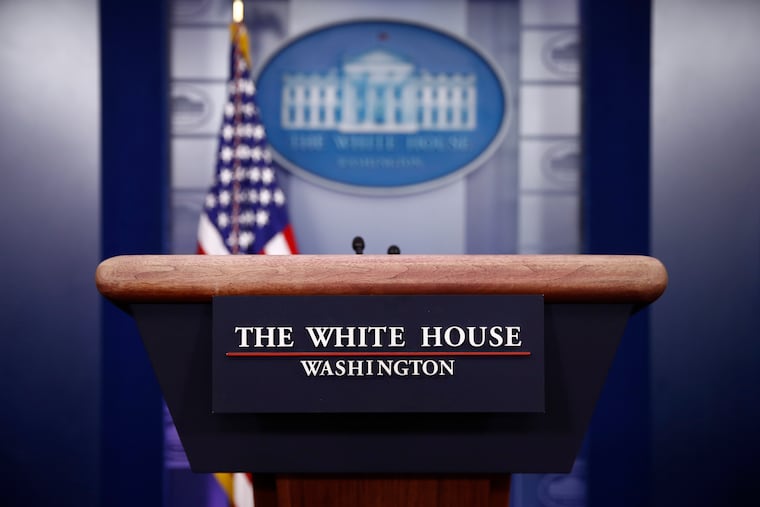
Recent reporting on the banning of certain media and Will Bunch’s column confirm once again the extent of the Trump administration’s struggle with upholding our Constitution.
We’ve seen it over and over — whether it’s the war with Iran, the ballroom in the former East Wing, the triumphal arch, or even the suggestion of a possible third presidential term — there is no regard for the rule of law with this White House.
One wonders what’s in store if the administration fails to retain control of Congress in November.
News outlets like The Inquirer — and the organizations that have been banned — must continue to shine a light on this administration so we can elect legislators who will defend the Constitution and preserve our democracy.
Sister Veronica Roche, Westmont
Join the conversation: Send letters to letters@inquirer.com. Limit length to 150 words and include home address and day and evening phone number. Letters run in The Inquirer six days a week on the editorial pages and online.