Let’s stop giving hate a partisan exception. Extremism doesn’t check political affiliation.
Bigotry doesn’t wait for permission from a party platform. It shows up as a firebomb thrown into a mosque, a slur hurled at a Jewish governor, Confederate flags marching past the Capitol.
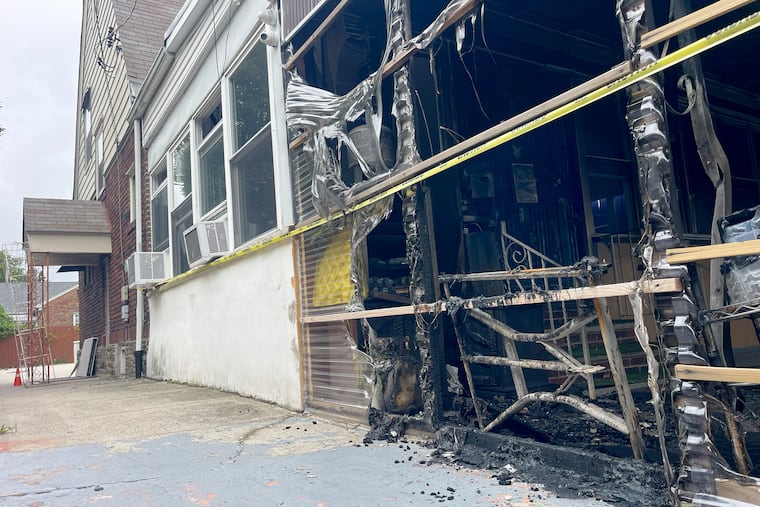
The same weekend America turned 250, I also watched a mosque burn in Northeast Philadelphia, a governor threatened with violence he’d already survived, and masked men march past the U.S. Capitol chanting “Reclaim America.”
None of it happened in the same city or involved the same people — and that is exactly why it matters.
Someone threw a flaming object into the Northeast Philadelphia Islamic Center. No one was hurt, thankfully, but a community that gathers there to pray was left afraid in a building meant to be a sanctuary. State Sen. Sharif Street called it what it was: “This wasn’t just an arson. This was a hate crime.”
Two days later, in Delaware County, a man walked into a legislator’s office for help with his taxes, used an antisemitic slur while talking about Gov. Josh Shapiro, and threatened to burn down the governor’s mansion again. He called the threat itself “sympathetic,” because Shapiro’s family had already survived a real arson attack in 2025.
Read that twice. A man was arrested for describing arson against a governor’s family as an act of sympathy.
That same week, Graham Platner’s Senate campaign in Maine finally collapsed. It wasn’t the Nazi tattoo he’d worn for nearly 20 years. A symbol tied to Nazi concentration camp guards was, on its own, apparently not enough.
On the National Mall, hundreds of Patriot Front members, a group the Anti-Defamation League calls the most visible white supremacist organization in the country, marched in coordinated uniforms, carrying Confederate flags, chanting about reclaiming a nation they insist belongs to them alone. They did this in broad daylight, on Independence Day, and walked away unbothered.
It doesn’t have to be this way. Pennsylvania has offered a glimpse of the right response to hate.
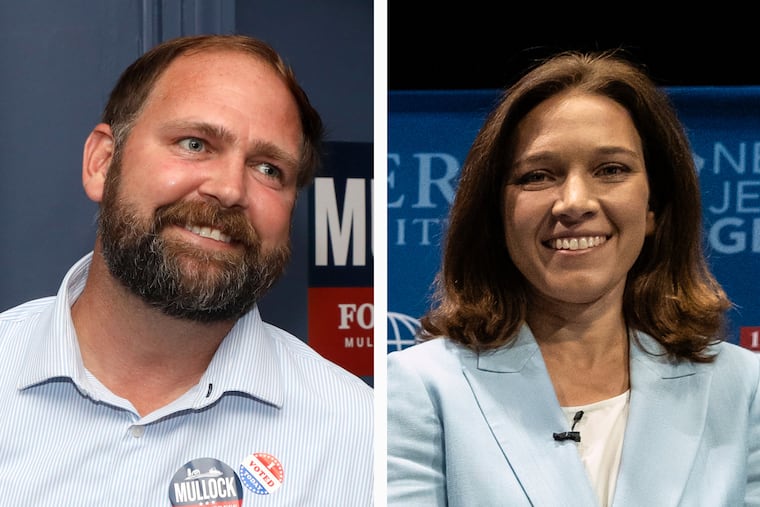
After mailers went out to Upper Bucks County voters attacking a Democratic candidate as the pick of the “corporate, Israel-first Democratic party,” alongside a photo of State Sen. Steve Santarsiero, who is Jewish, with an Israeli flag under his face, he called the language exactly what it was: “an antisemitic trope that falsely implies Jewish Americans are disloyal to the United States.” Republican Attorney General Dave Sunday agreed, as did State Rep. Dan Frankel (D., Allegheny) and State Sen. Judy Schwank (D., Berks), who called the mailers “unacceptable and dangerous.”
That’s what the response to hate should look like every time, not because it’s convenient, but because antisemitic hate speech is hate speech, and in the end, it is incumbent on all parties and political leaders to speak out.
Refuse the whataboutism. “The other side does it, too” has never made anyone safer.
Extremism doesn’t wait for permission from a party platform. It shows up as a firebomb thrown into a mosque, a slur hurled at a governor, matching uniforms marching past the Capitol, a hateful symbol that doesn’t disqualify a candidate.
The only real defense is what happened with the mailer in Bucks County: leaders naming it immediately, without waiting to see who it benefits politically to stay quiet.
I have spent my career watching people search for the loophole: this hate doesn’t count, this extremist isn’t really one of ours, this symbol was just a tattoo. There is no loophole. Hate doesn’t get a partisan exception, and neither does our responsibility to name it the first time we see it.
Here is what I’d ask, whatever you believe and whomever you vote for:
Condemn it the first time, not the 10th.
Refuse the whataboutism. “The other side does it, too” has never made anyone safer.
Show up for communities that aren’t yours. A mosque needs the same solidarity a synagogue would after an attack, and vice versa.
Report what you see. Silence is how patterns become normal.
This year marks 250 years of a promise: that all people are created equal.
That promise doesn’t come with a partisan carve-out. Leaders in Pennsylvania showed us it doesn’t have to. The question is whether we follow that example, or wait for the next arson, slur, or tattoo before it finally matters.
Andrew Goretsky is the senior regional director for ADL Philadelphia.