The reasons for the closure of the Academy of Natural Sciences do not withstand scrutiny. Here’s what to do.
What is lost when a natural history museum closes? Drexel’s announcement treated the museum as separable from the Academy’s scientific mission. It is not, writes Daniel Lewis.
Daniel Lewis is the Dibner senior curator for the history of science and technology at the Huntington Library and a teaching professor at Caltech. He chairs the history committee of the American Ornithological Society.
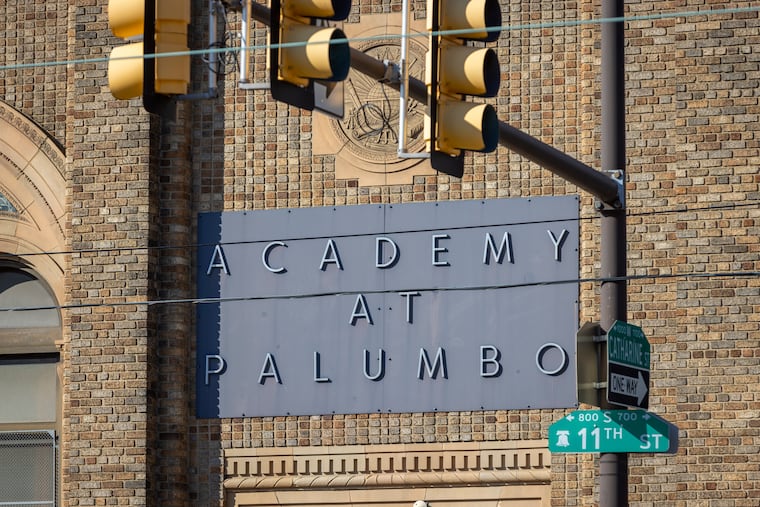
Shuttering the oldest natural history museum in the Americas after nearly two centuries was a grave error. But it is not too late to correct it. Mayor Cherelle L. Paker and City Council must use every tool available to reverse the closure of the Academy of Natural Sciences museum and see its doors reopened to the public.
I write as a historian of science and a working curator. I have spent my career inside collections like the ones at the Academy. I know what they’re worth, and I know what it costs when an institution stops treating them as a public trust.
Let me be plain about what is lost when a natural history museum closes, because Drexel’s announcement treated the museum as separable from the Academy’s scientific mission. It is not.
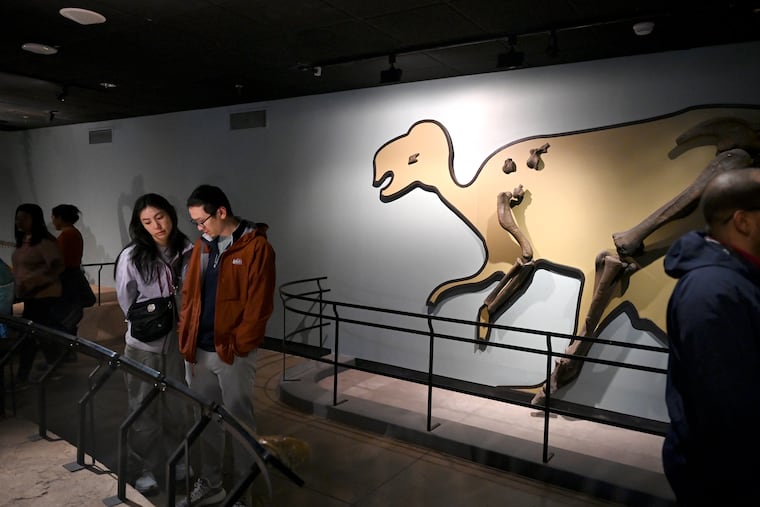
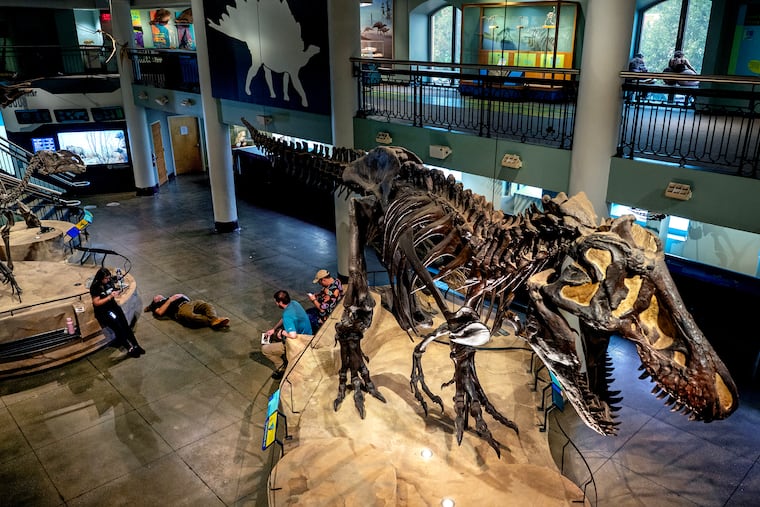
The Academy’s more than 19 million specimens are the physical record of life on this continent and far beyond it. They include the Hadrosaurus foulkii described by Joseph Leidy, the first dinosaur skeleton ever mounted for public view; the plants gathered on the Lewis and Clark expedition; John Gould’s Australian birds; and the work of John Cassin and generations of curators who built American natural history in those rooms. They include specimens of species that no longer exist anywhere else.
Such collections cannot be replaced, purchased, or regenerated. They can only be kept, or squandered.
This is not careful stewardship. It is a 200-year-old public institution being treated as a liability on a university balance sheet.
The museum is how that record reaches the public, and the public is why the record survives. A collection with no public face becomes invisible, and what is invisible becomes expendable. Its budget lines are the first cut, its staff the first let go, its holdings the first “consolidated” elsewhere. I have watched this pattern at institution after institution. Closure rarely ends at the exhibition hall; it is usually the first step toward dispersal.
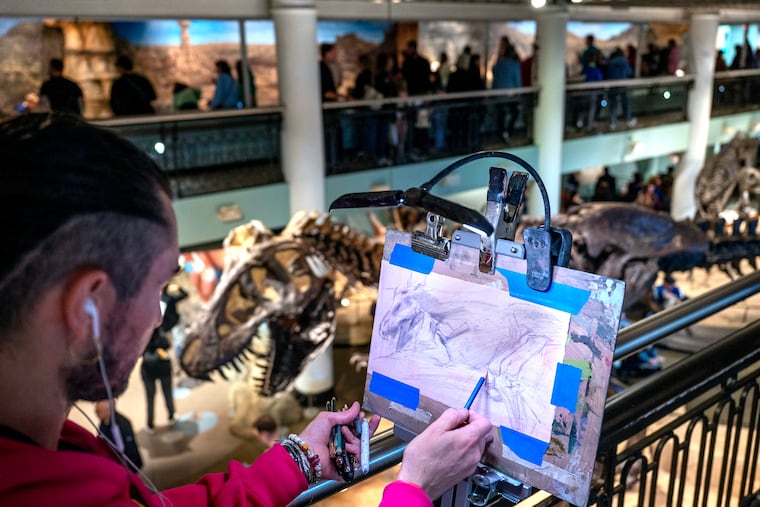
Museums are where scientists are made, perhaps more than at any other place.
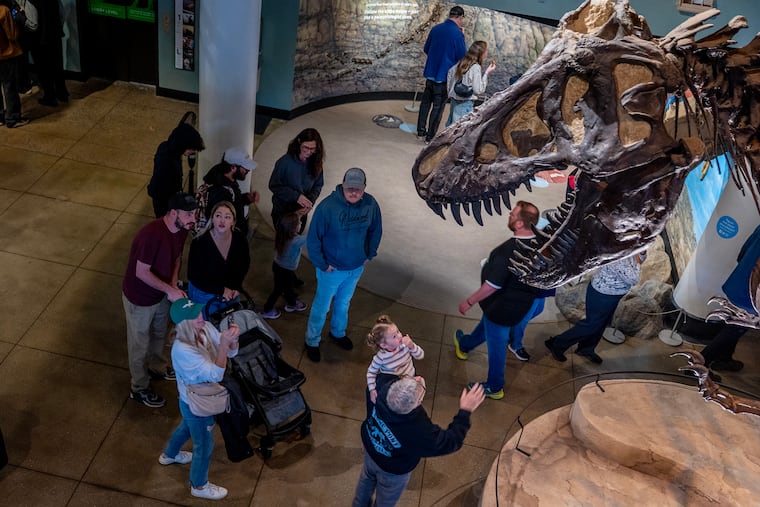
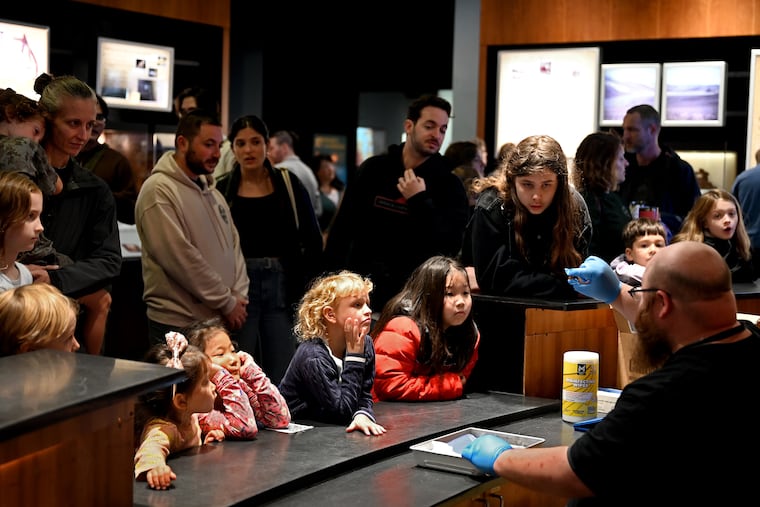
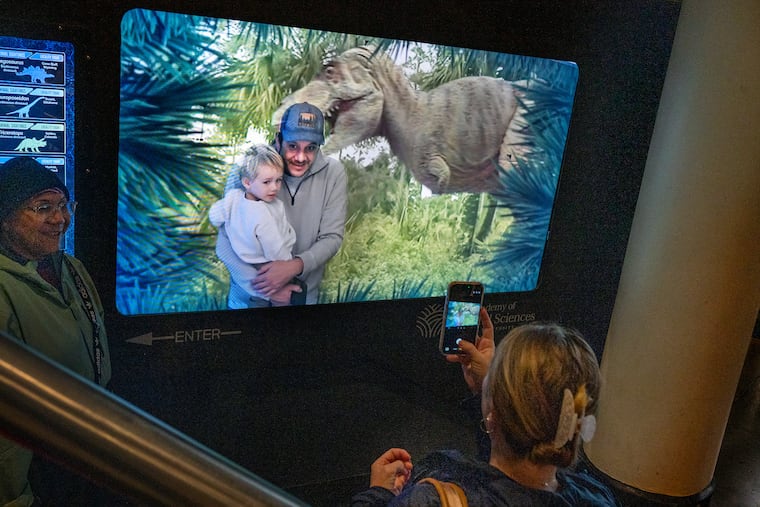
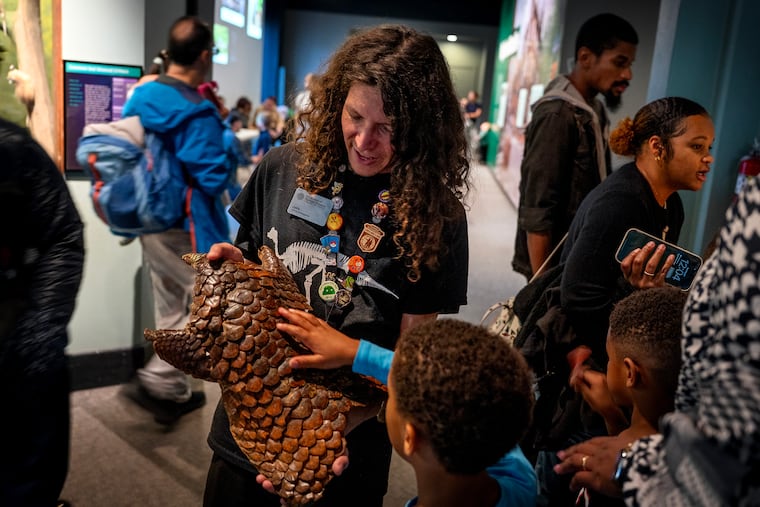
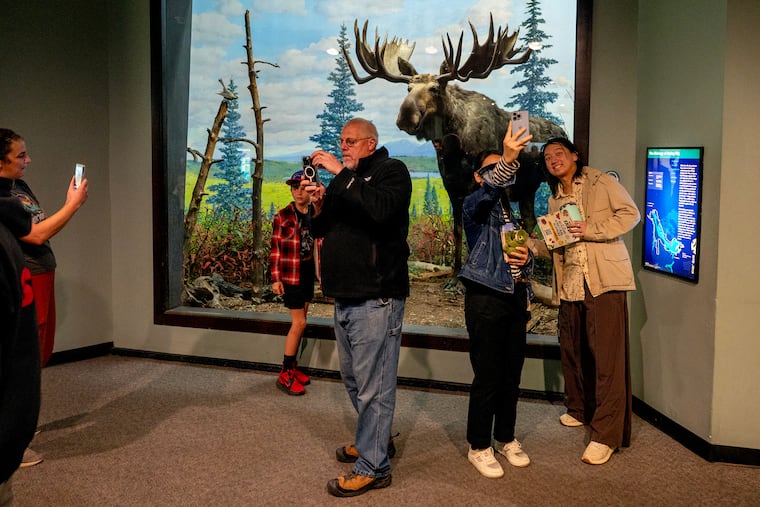
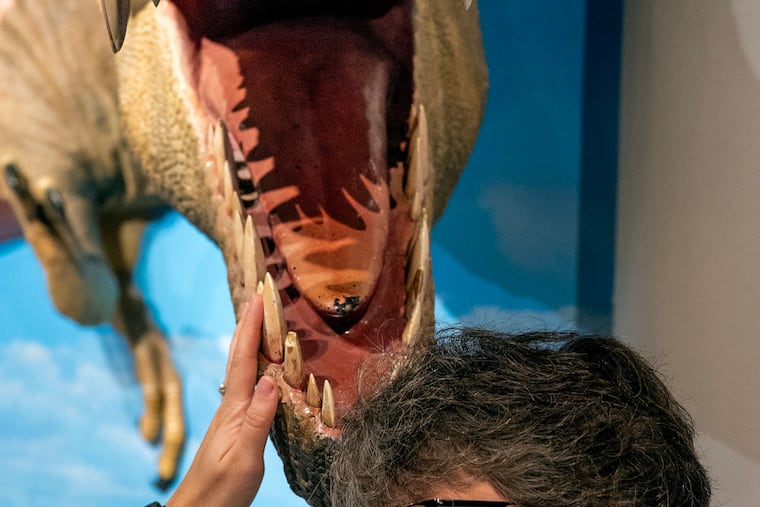
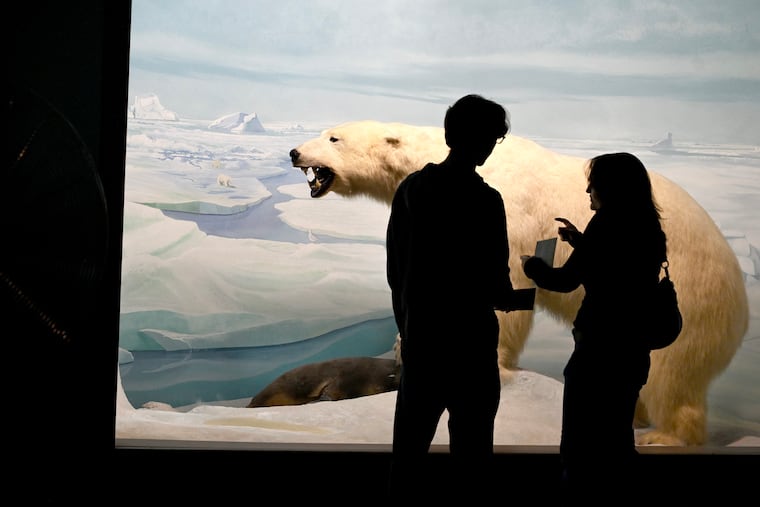
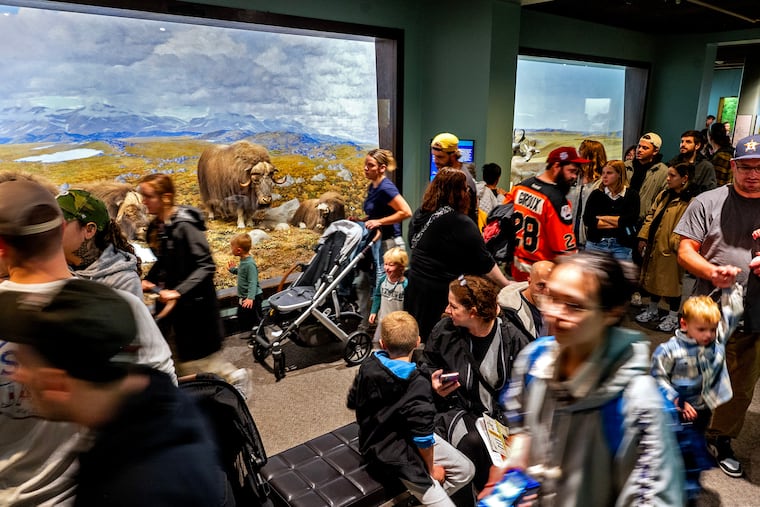
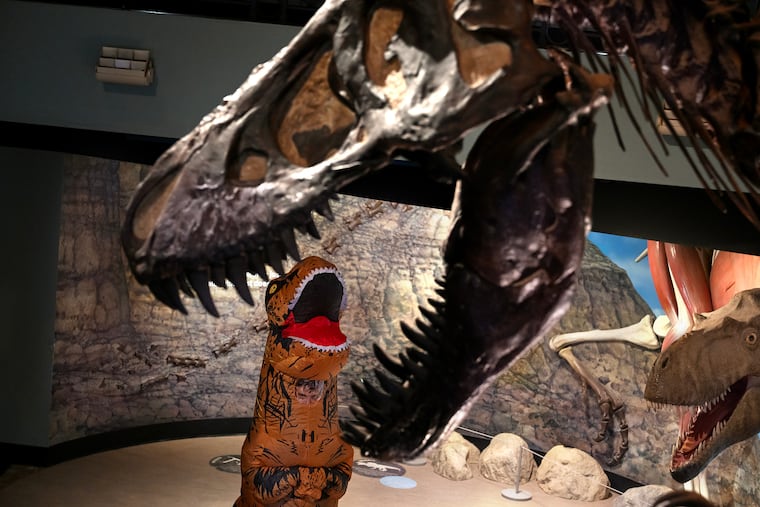
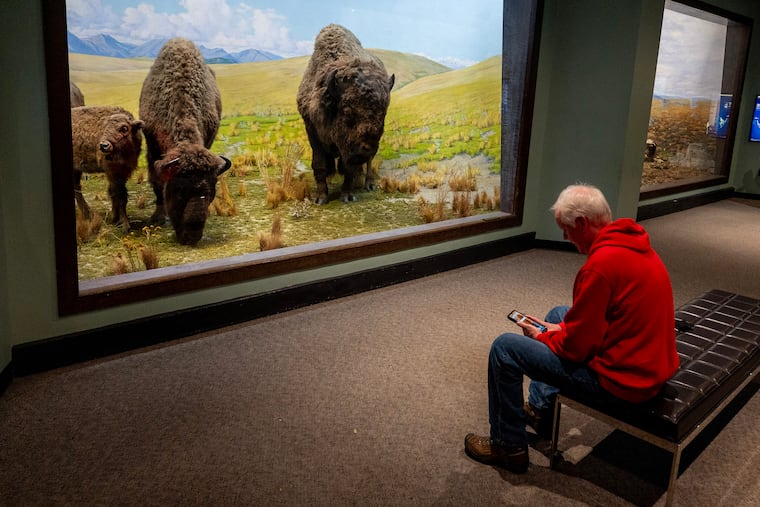
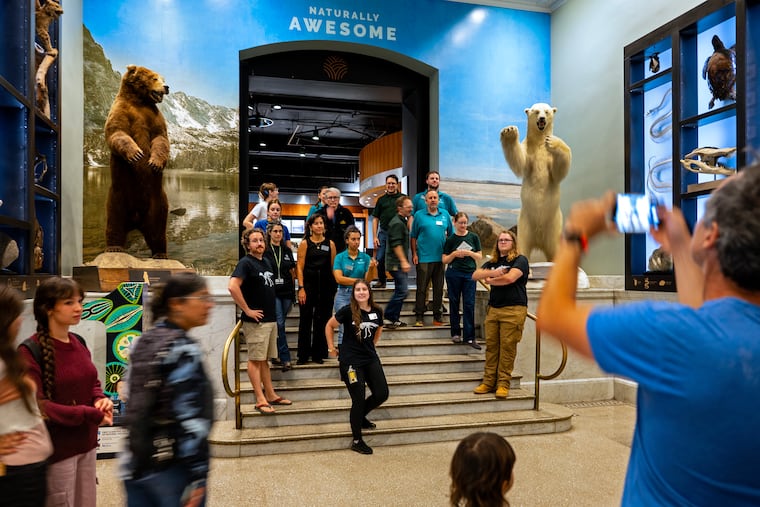
A child standing beneath a dinosaur or in front of one of the Academy’s extraordinary habitat dioramas, themselves irreplaceable historical artifacts, is often encountering the natural world seriously for the first time. Countless naturalists, curators, and field biologists trace their careers to exactly that moment.
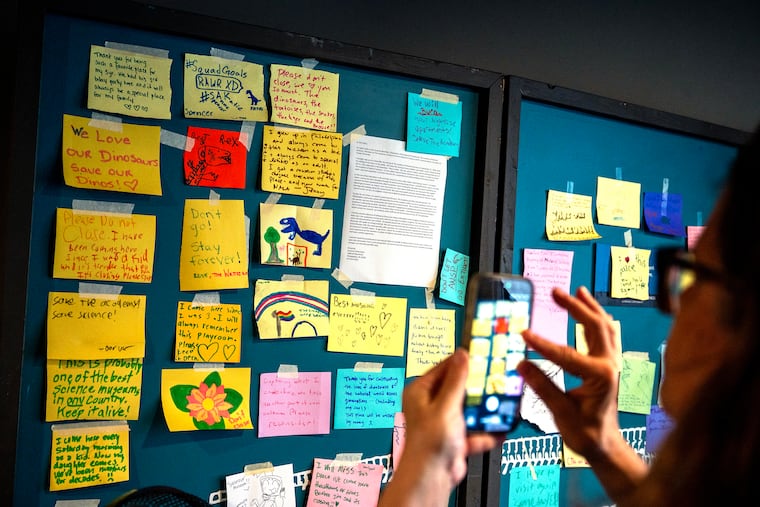
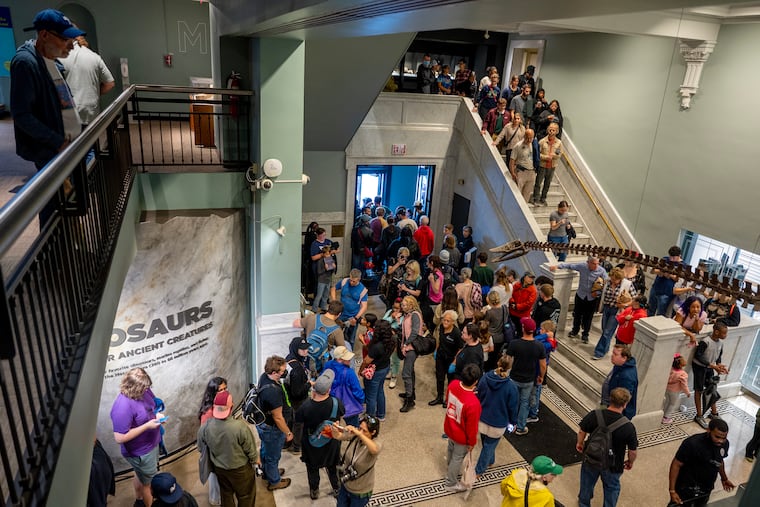
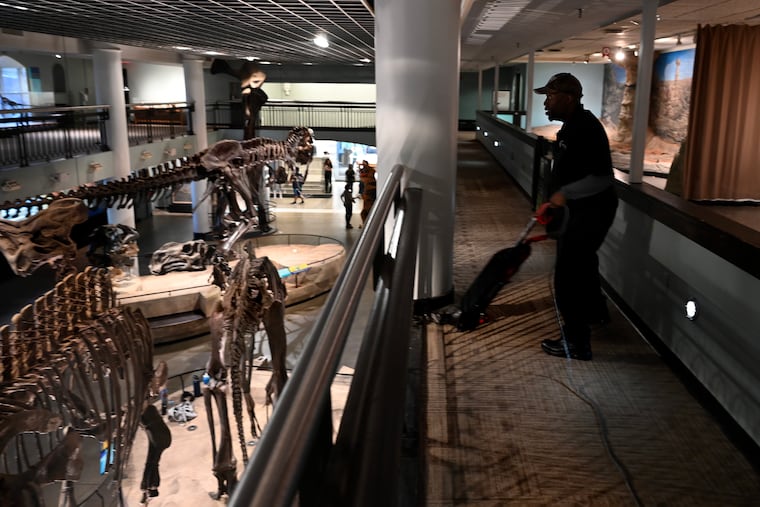
Philadelphia’s schools, families, and teachers lost that opportunity on Sep. 27. So did the 27 staff members whose positions the closure eliminated, and with them, decades of expertise in education and public interpretation that will not easily be rebuilt.
The reasons offered for the closure do not withstand scrutiny.
Drexel and Academy leadership cite declining attendance since the pandemic. Yet in October 2025 the museum’s hours were cut from five days a week to three. An institution cannot lock its doors for most of the week and then point to falling attendance as proof that the public has lost interest. That is a self-fulfilling prophecy.
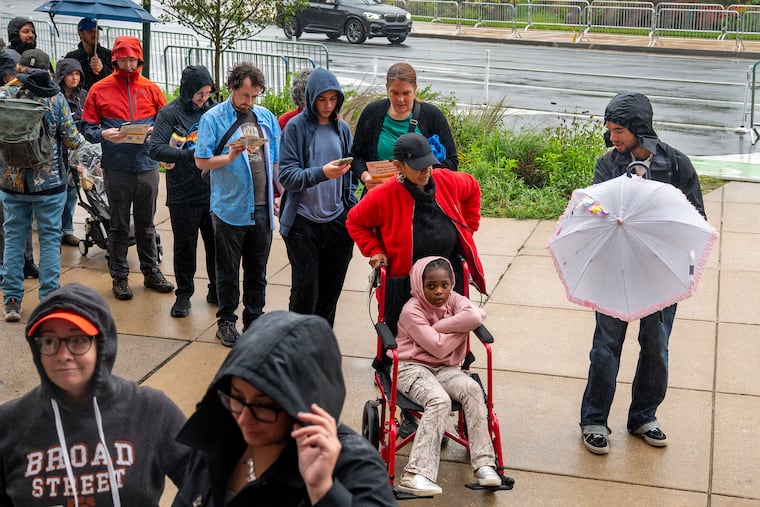
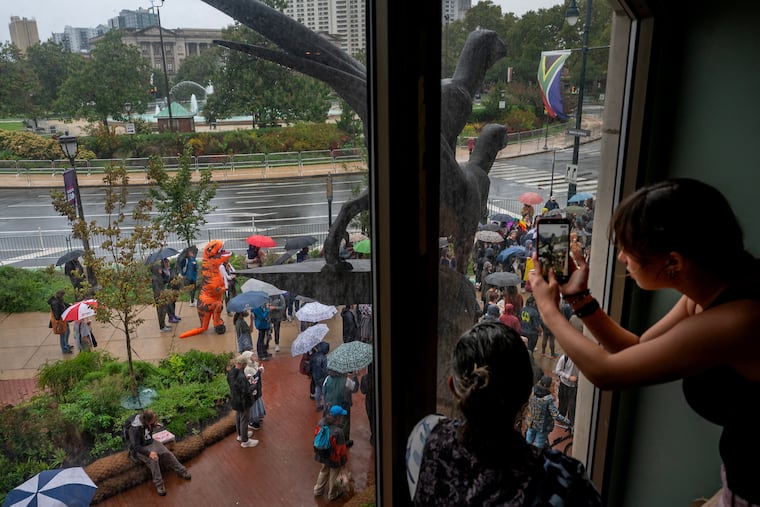
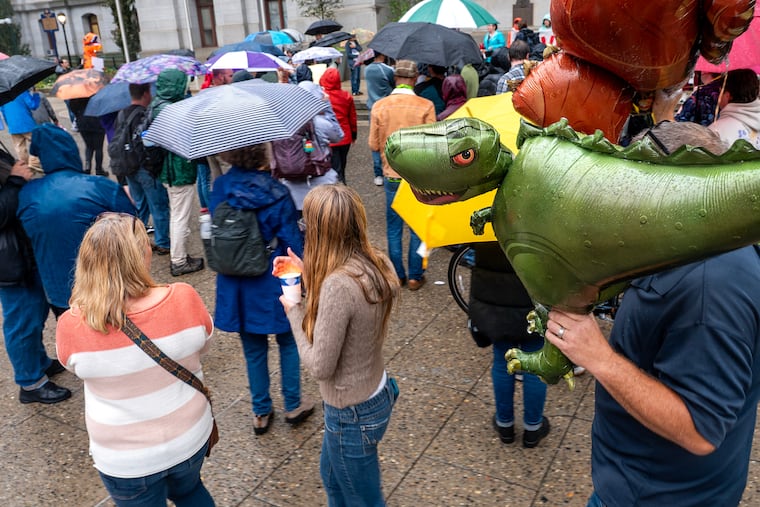
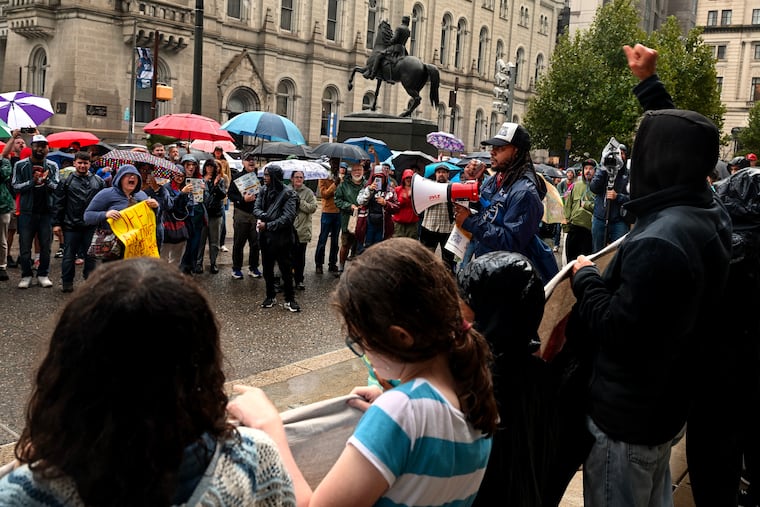
The public’s actual verdict came in September: roughly 41,000 visitors over the final three weekends, including some 14,000 in a single weekend. Those are not the numbers of an institution nobody is interested in.
They cite financial strain. Yet the Academy’s 2025 tax filings, as reported, show $25.8 million in revenue against $23.8 million in expenses, with revenue up from $22.4 million the year before. Even allowing that these figures include Drexel’s in-kind support, they do not describe an institution in free fall. They describe one being managed toward an exit.
The record of the past year supports that reading. Drexel reportedly presented the Academy with a choice this spring: merge fully into the university, surrendering its collections, its building, and its endowment, or disaffiliate. Press reports indicate the plan is to relocate the specimens and sell the Parkway building, and that Academy officials had explored sharing the collections with museums in Cleveland or Abu Dhabi.
The closure was announced Sept. 1 and executed within four weeks, leaving staff blindsided and the public no meaningful opportunity to respond. This is not careful stewardship. It is a 200-year-old public institution being treated as a liability on a university balance sheet.
Most troubling of all, the William Penn Foundation has offered to underwrite the museum’s operating costs for at least a year while its long-term viability is studied. The Academy’s own board chair has said she supports staying open. Drexel has neither accepted nor declined. When a major foundation offers to remove the very financial objection Drexel cited, silence isn’t prudent, because it tells the public that the museum’s closure was actually the goal, not the consequence.
As the mayor and Council consider acting, I urge them to:
1. Press Drexel and the Academy to accept the William Penn Foundation’s offer and reopen the museum to the public without delay.
2. Secure binding commitments that no specimens will leave Philadelphia, and the building will not be sold, until an independent and transparent review is complete, including any historic or zoning protections the city can extend to the building.
3. Ensure the Academy’s endowment is protected for the Academy’s own mission.
4. Use Council’s oversight and subpoena powers to bring the full financial record of this decision into public view.
5. If Drexel cannot or will not be a responsible steward, support a clean disaffiliation that leaves the Academy’s collections, building, and endowment intact.
The Academy’s founders in 1812 dedicated it to the encouragement and cultivation of the sciences. For two centuries Philadelphia kept that promise. The city should not stand by while that promise is broken, especially when the means to keep it are already on the table.
About guest essays
Guest essays, or op-eds, are commentary pieces that present the opinion or perspective of the author. Many are submitted to us by Inquirer readers and writers with insight on the news, but we also solicit op-eds from authors on specific topics. For more information visit our guidelines.