Letters to the Editor | July 28, 2026
Inquirer readers on the SAVE America Act and the financial troubles at the Philadelphia Museum of Art.
Fairway First
As of Sunday, Donald Trump has gone golfing 116 days out of the 554 days he has been in office. That’s 20.9% of his time in office. That is one out of every five days.
America is at war with Iran, and he’s golfing.
America’s standing in the world is decreasing, and he’s playing golf.
America’s economy is suffering, and he plays golf.
And when he isn’t golfing, he is babbling incoherently, and his cabinet pretends everything is OK. Who is running this country? What is our long-term plan to keep our place as an economic powerhouse and the most powerful nation in the world?
Susan Thompson, Media
Election integrity
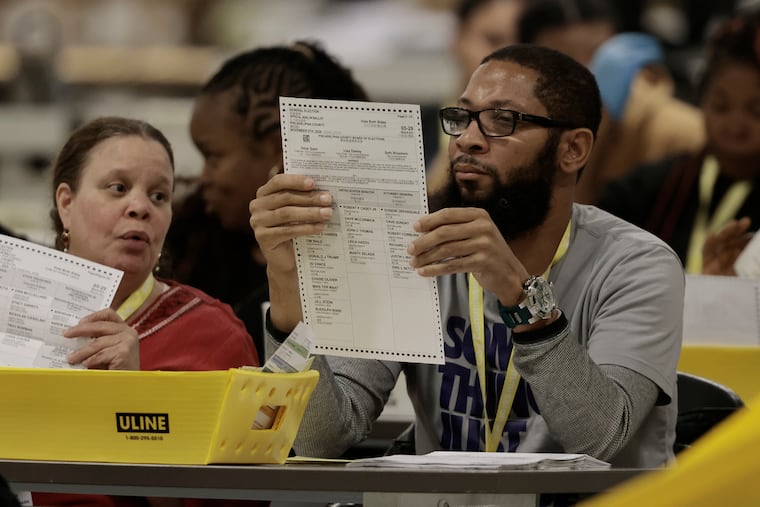
Your recent analysis of the SAVE America Act and election integrity says more about The Inquirer’s disconnect with Pennsylvanians than the issue itself.
Americans want secure, transparent, and trusted elections. They believe only U.S. citizens should vote in American elections, and according to Pew Research Center polling, 95% of Republicans and 71% of Democrats support requiring voters to show government-issued photo identification before voting. This isn’t a partisan issue. It’s common sense.
Unfortunately, your reporting ignores reality. It dismisses the 6,600 noncitizens registered to vote in New Jersey as “fuel” to the rhetorical fire, ignoring that voting is a right reserved only for American citizens.
The American people know better. They understand the importance of election integrity, and support practical, commonsense measures to ensure only American citizens vote in American elections. Dismissing these concerns as fringe or manufactured ignores what voters have said for years.
This isn’t about making it harder to vote. It’s about making it harder to cheat, increasing confidence in our elections, and ensuring every legal vote counts. That’s why these reforms continue to earn support.
I support the SAVE America Act and implore your readers to look elsewhere for a more thoughtful and honest appraisal of what the bill does.
Dave McCormick, U.S. senator for Pennsylvania
Deficit denial
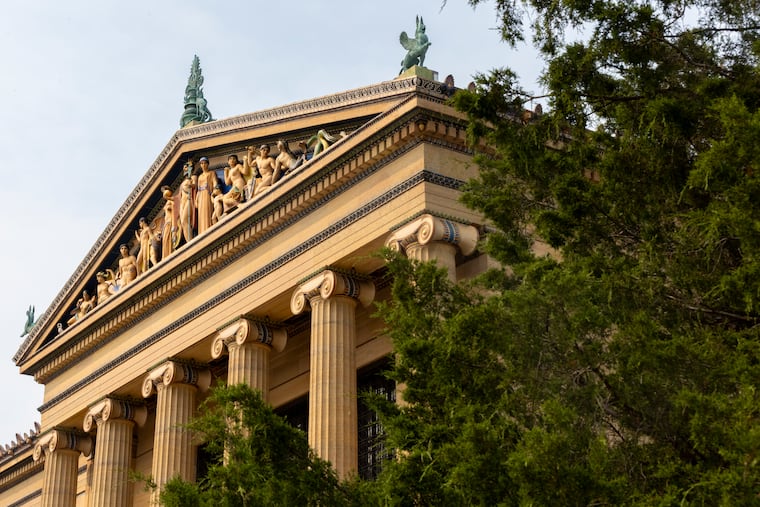
Peter Dobrin’s reporting on the Philadelphia Museum of Art’s record budget deficits should concern every Philadelphian who loves that institution. As a lover of the PMA — and a financial turnaround specialist — I read it with growing unease.
Daniel H. Weiss, the museum’s director and CEO, is confident the budget will balance in three years, yet five of his six “keys to solvency” sit on the revenue side. His own CFO concedes the problem: Functional revenue has grown 0.3% annually over the past decade, “effectively flat.” The only levers management fully controls today are on the cost side. Yet, the museum insists there is “not a ton of opportunity” to reduce expenses. Its own tax filings say otherwise: Since fiscal year 2021, expenses have grown from $64.2 million to $83.9 million in FY 2025, all against a revenue line that hasn’t been able to keep pace. When revenue is structurally flat, an above-inflation cost trajectory is a deficit-creating machine.
In my turnaround work, I call this the fundraising fairy myth: the belief that philanthropy, government, or a donor who “falls in love with us” will arrive on schedule. To its credit, the museum has avoided the other classic traps that doom turnarounds. But hoping revenue rescues you while declaring the budget uncuttable is how three-year plans become 10-year crises. Cut first. Stabilize. Then build back and fundraise from a position of strength. In that order.
Larry Bomback, Philadelphia
The writer is the former CFO of the Curtis Institute of Music and the founder and CEO of Strategic Nonprofit Finance. He led the financial turnaround of Albright College and is currently the interim CFO at Muhlenberg College.
Join the conversation: Send letters to letters@inquirer.com. Limit length to 150 words and include home address and day and evening phone number. Letters run in The Inquirer six days a week on the editorial pages and online.