Letters to the Editor | Sept. 3, 2026
Inquirer readers on District Attorney Larry Krasner, mental health challenges, and the Academy of Natural Sciences closing.
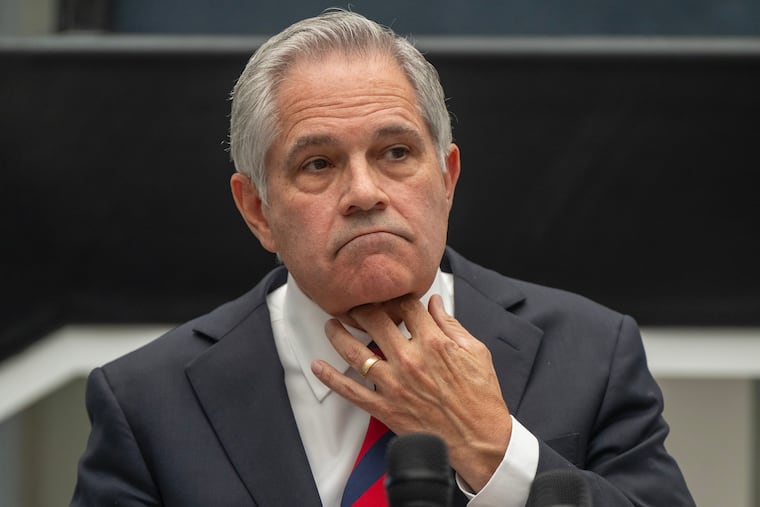
Krasner defended
I’ve seen The Inquirer’s extensive coverage of the office of our district attorney, Larry Krasner, including its internal discussions. In general, scrutiny of an elected official is a good thing. If previous DAs had been subjected to such scrutiny, perhaps there would be fewer innocent people in prison, and fewer wrongful convictions to overturn. What the reporting fails to consider, however, is how much opposition there is to Krasner’s work. There are a lot of people who would rather see an innocent person remain behind bars than admit error. And there are a lot of people who figure that if someone is in prison, they must have done something wrong, even if it’s not the crime they were convicted of.
These people want to see our district attorney fail. And they’ve tried very hard to make that happen, helping explain the DA’s caution, which columnist Paul Davies calls paranoia. Krasner has been impeached, his office undermined, his actions subjected to state oversight, and so on. Has any Philadelphia DA ever been impeached for overzealous prosecution? I don’t think so. Please take this into account. Krasner is fighting the good fight, on the side of the innocent, as he should be.
Jon Webb, Philadelphia
Broken system
The overall need for mental health care has surged significantly post-pandemic, yet according to a 2024 survey, about 34% of psychologists and 45% of psychiatrists do not accept health insurance. For a private-pay psychiatrist, evaluations typically cost $300 to $500, and standard sessions range from $100 to $300. Enter Lindsay Clancy, married mother of three, a former labor and delivery nurse. Described by her coworkers as compassionate, kind, and an advocate for her patients.
Months following the birth of her third child, Clancy recognized a change in her mental health. She had the courage to share those terrifying thoughts with her husband and parents. She called a crisis hotline, went to an emergency room, and voluntarily checked herself into a psychiatric hospital. She did all of this because she did not want to harm herself or her children. She desperately wanted to get well and was caught in a mental health care system strained by provider shortages and understaffed clinics. Mental illness, like every serious condition that threatens life, needs the proper treatment. Treatment that she didn’t receive. Compassion for Clancy, not conviction.
Kathy Carroll, Wayne
A true loss
The planned closing of the Academy of Natural Sciences of Drexel University is a profound loss for our region and the history of science. Few institutions anywhere can claim a more consequential place in paleontology. In 1868, the academy became the first museum in the world to mount and publicly display a genuine dinosaur skeleton: Hadrosaurus foulkii, unearthed a decade earlier from a marl pit in Haddonfield. That landmark installation transformed dinosaurs from fragmentary scientific curiosities into creatures the public could see, imagine, and understand.
The mounted Hadrosaurus helped ignite public fascination with dinosaurs that soon helped fuel the great fossil-hunting rivalries of the late 19th century — the era now remembered as the Bone Wars. It also helped establish the model of a natural history museum as the place where scientific research and public wonder meet. The dinosaur displays that now draw crowds around the world owe something to that moment in Philadelphia.
To allow this museum to go dark would be an astonishing act of cultural and civic neglect. Philadelphia rightly invests enormous sums in sports and entertainment. It should not abandon an institution whose legacy reaches far beyond the region — a place bound to one of the defining chapters in the worldwide history of paleontology. The museum deserves not closure, but preservation, investment, and a secure future.
Hoag Levins, Haddon Township
Join the conversation: Send letters to letters@inquirer.com. Limit length to 150 words and include home address and day and evening phone number. Letters run in The Inquirer six days a week on the editorial pages and online.