Getting back to the business of people
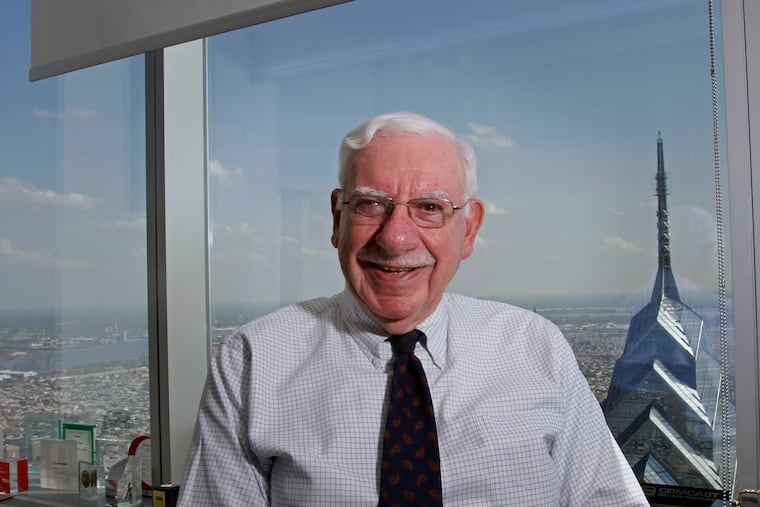
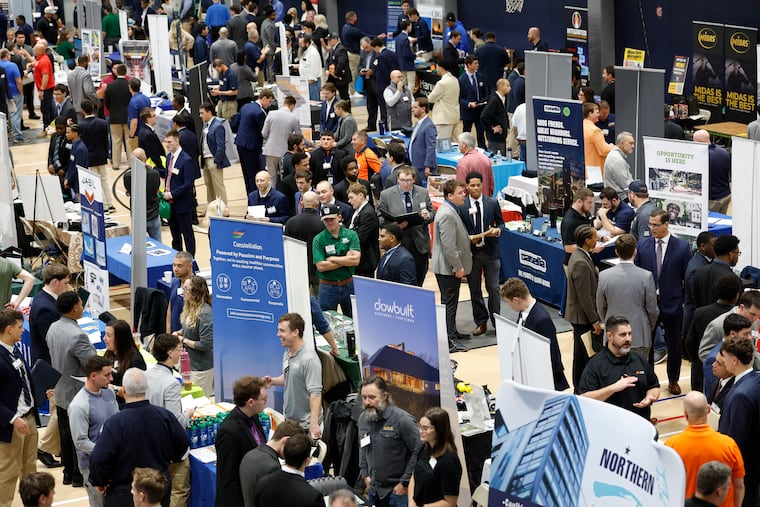
Stephen Kaye's perch as the leader of a global human resources consulting firm puts him in a position to see the psychological aftermath of one of the biggest economic events of our time - the recession that officially ended in 2009 but lingered much longer.
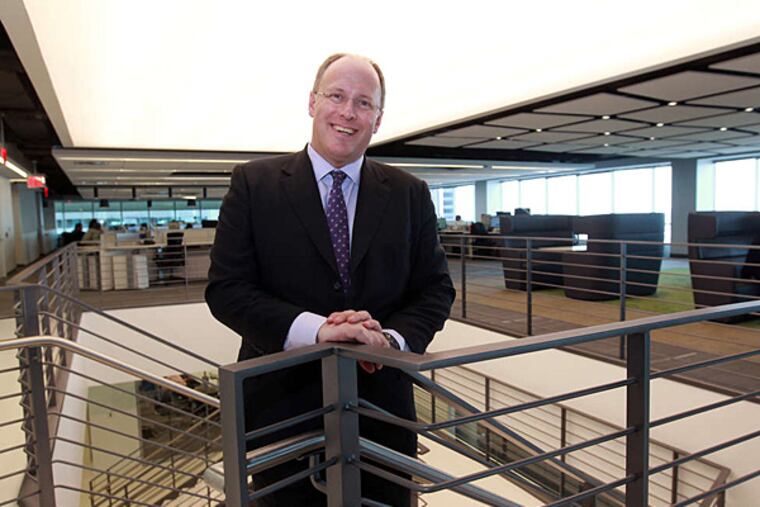
Stephen Kaye's perch as the leader of a global human resources consulting firm puts him in a position to see the psychological aftermath of one of the biggest economic events of our time - the recession that officially ended in 2009 but lingered much longer.
On Friday, the U.S. Labor Department will issue its closely watched employment report, and if recent trends hold, it will be positive - more jobs, fewer unemployed, and a declining unemployment rate.
"We're kind of happy about the way things are going because finally the world is getting ready for what we do in the sense that the people agenda is now much more on the CEO agenda than it ever was before," said Kaye, 50, chief executive of the Hay Group.
The Philadelphia company, with 4,000 employees, consults on topics such as employee engagement, retention, salary benchmarking, and human resource strategy.
Question: How did the recession impact employees' relationships with their firms?
Answer: We've seen a huge reaction in terms of how people understand the relationship. It is also six or seven years later, so we are a third of a generation evolved from that. What people coming into the workforce are expecting is very different. It's not what their parents had or what their grandparents had. They don't feel that sense of natural loyalty to the company.
Q: So how are the millennials responding? Many were in college when their parents lost their jobs.
A: I think they absolutely expect to face that [layoff] situation. Therefore, they are saying, 'What is it that will allow me to deal with that situation when it arises, as I expect it will? How can I make sure I'm always on the lookout for the next job, that I'm always in the position where my skills are refreshed? This is about me developing as much as it about me working for you.'
Q: What about from the company perspective?
A: The recession was not your regular garden-style recession. It was deep and it was fast and companies looked over the abyss. Companies said, 'I know I should think about the long term, but the situation is so bleak that I'm going to ignore all those things and I'm just going to cut, cut, cut.' Then there was this sense of unease about how solid the recovery was and, 'I'm going to keep things very lean.'
Q: What was the upshot?
A: You pay a price for that and the price you pay is that you come to realize where the gaps are. You didn't invest in people. You don't have the right people. People are over-stretched. People have done things very short-term for a while and now you have to take a fresh look.
Q: Everyone's talking about millennials at work, but what about baby boomers? Do firms consult with you on boomers?
A: Not particularly. Instead, [they ask], 'What are the roles I will need in the future compared to now? I may have particular issues with people retiring. How can I, in a very planful way, choose to bring people on board?'
Q: Employers are thinking long-term, but what about now? Baby boomers aren't going to conveniently keel over and die.
A: What we found is that people absolutely can adapt. You have to be honest with them. You have to explain the challenges and explain why it is being done. Then you have to offer them opportunities, offer to help them and support them.
Q: What's the difference between being a chief financial officer, your last Hay job, and being chief executive?
A: I had built my career on doing things. I realized that to change the organization, I have to work far more through people. The things that made me successful in the past wouldn't make me successful in the future.
STEPHEN KAYE
Title: President, chief executive since March 2013.
Home: Wayne.
Family: Wife, Diana; children Nicholas, 17; Victoria, 14; Caroline, 10.
Diplomas: Imperial College, London, mechanical engineering. Chartered accountant in England, Wales.
Background: Grew up in England, worked for Ernst & Young in Philadelphia and London. Joined Hay in 1993. Became chief financial officer in 1998.
Saturday mornings: "I love to spend two hours a day before anyone gets up, watching my English soccer on TV. That's my sneaky private time."
Fan club: Liverpool. EndText
HAY GROUP
Where: Center City.
Incorporated: Bermuda.
Business: Consulting group specializing in workforce strategy, organizations, salary data, recruitment.
Employees: 4,000 in 49 countries, 220 in Philadelphia.
Revenue: $500 million.
Clients: 8,000 businesses, nonprofits.
Ownership: Privately held by 150 shareholders, including Kaye.EndText
MORE ONLINE
Stephen Kaye says Hay execs take their own medicine. www.philly.com/jobbing
EndText
215-854-2769 @JaneVonBergen