Is the Oil Bubble Bursting?
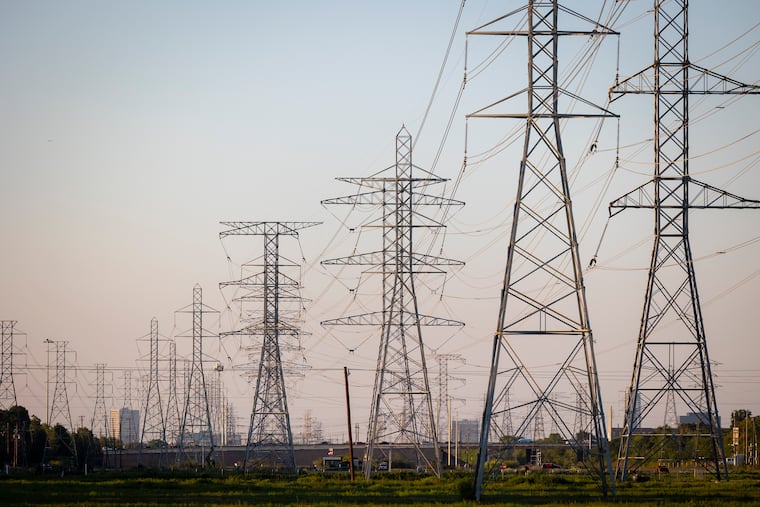
Crude oil prices over the last week lurched in a different direction than most people are used to: down. In fact, down nearly $10 per barrel, or about 7 percent, in just a few days.
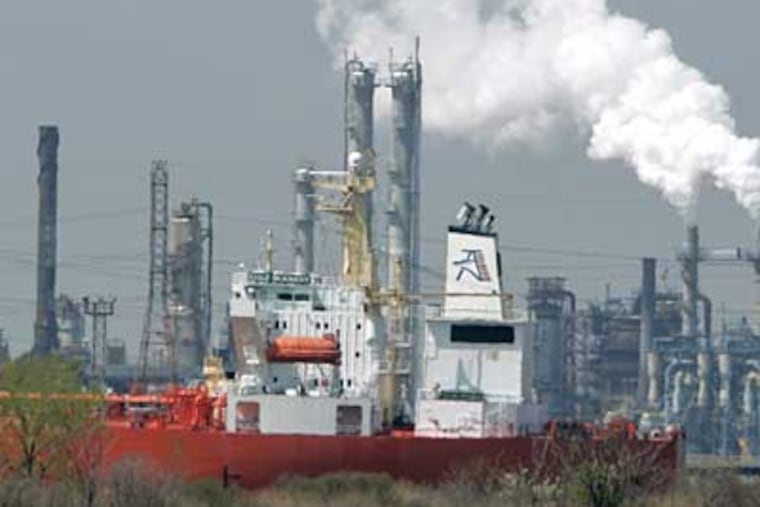
Crude oil prices over the last week lurched in a different direction than most people are used to: down. In fact, down nearly $10 per barrel, or about 7 percent, in just a few days.
Granted, yesterday's closing price of $136.04 for a barrel of light, sweet crude for August delivery - the most common benchmark - is still near its historic high of $145.85 on July 3. Oil has fluctuated nearly as much at other points. And those declines don't necessarily show up at the pump.
But the notably fast drop, combined with a plunge in all commodity prices, is driving speculation anew about the future of oil prices, which reverberate in almost every corner of the global economy. Yesterday's decline in all commodity prices, including oil, was the biggest since March and helped spark a 152-point rally in the Dow Jones industrial average.
So, are oil prices that have doubled in the last year really in a bubble that may pop soon, or is all this just a misleading respite?
Trader and analyst Stephen Schork said yesterday that the expectation just a few days ago that crude prices would reach $150 this week "does not look like the proverbial done deal."
"Be that as it may, we have seen this movie before - i.e., crude oil weakens a little, and the bubble-bears jump in," he wrote in a daily market commentary, suggesting the price break might be temporary.
In other words, speculators rule? Congress has been investigating the role of speculators in oil's rise over the last year.
"We all know that some people on Wall Street are not above gaming the system," Republican presidential candidate John McCain said last month after congressional hearings.
Or not? The price declines last week seemed very rooted in the real world: There was a glimmer of easing in the confrontation between Western governments and Iran - OPEC's second-biggest oil producer, that is also pursuing a nuclear program presumably aimed at the West and Israel. Iranian President Mahmoud Ahmadinejad said yesterday that he doubted there would be war over the issue - even though he once declared Iran might blockade the Strait of Hormuz - the shipping lane for a fifth of the world's crude - if its nuclear facilities were attacked.
"A lot of tension baked in over Iran" and Ahmadinejad's comment "has dissipated," Tom Orr, head of research at Weeden & Co., told CNN Money.
Hedging elsewhere? Perhaps the tide has shifted for traders who buy oil futures as a hedge against inflation and the falling U.S. dollar. The greenback has been rising in value against the euro. The falling dollar had helped boost oil prices an estimated 50 percent this year. Oil is traded in dollars.
Oil traders also were responding to a statement of concern by leaders of the Group of Eight economic powers - cleverly known as the G-8 - over the high price of commodities. In a joint statement, France, Germany, Britain, the United States, Russia, Italy, Canada and Japan said: "We have strong concerns about the sharp rise in oil prices. . . . The world economy is now facing uncertainty, and downside risks persist."
Are people finally using less oil? Wall Street has been waiting for American consumers to significantly reduce consumption in the face of $4 gasoline. Some analysts think that point may have arrived, with traders' expecting a government report due out today to indicate that consumption fell, and with gasoline stocks rising over the holiday weekend.
"We have peaked for oil for now," Polar Pacific Capital managing director David Bensimon told Bloomberg News. "With agricultural commodities facing their own vulnerability, all of this will take the shine off commodities."
On the other hand? Several Wall Street analysts attributed the oil sell-off to plain old profit-taking after weeks of run-ups. And since the underlying economic pressures and tensions with Middle East suppliers like Iran will remain, oil prices just as likely will soar again, as they have in the past.
Iran is "sending some mixed signals," and the standoff over its nuclear program "will continue to pressure oil prices as we go through into the summer," said Ann Kohler, an analyst at Caris & Co., in New York.
Just in time, T. Boone Pickens, the investor and founder of Dallas-based BP Capital L.L.C., predicted more gloom and doom over oil, while unveiling his own plan for an alternative-energy drive.
U.S. reliance on foreign oil, Pickens said, is "very close to a disaster."