PLANE PANIC: PRAYER IN THE AIR
MOST PEOPLE don't know tefillin from Tupperware. That ignorance prompted a panic in the clouds over Philadelphia yesterday morning, after a flight attendant - worried that the traditional Jewish prayer boxes that one passenger wore were bombs - alerted the pilot, who requested an emergency, unscheduled landing at Philadelphia International Airport.
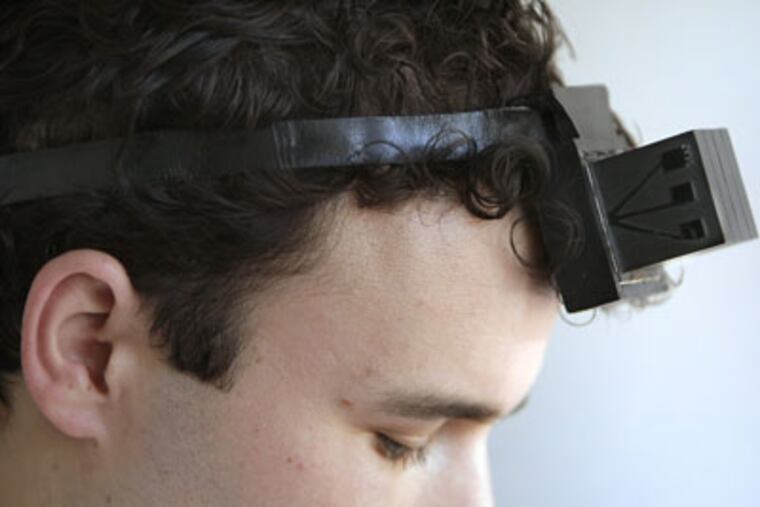
MOST PEOPLE don't know tefillin from Tupperware.
That ignorance prompted a panic in the clouds over Philadelphia yesterday morning, after a flight attendant - worried that the traditional Jewish prayer boxes that one passenger wore were bombs - alerted the pilot, who requested an emergency, unscheduled landing at Philadelphia International Airport.
Authorities closed several runways, directed the pilot to a remote taxiway and swarmed the plane, searching startled passengers during the 8:23 a.m. incident.
No one was more surprised than the 17-year-old boy wearing the tefillin, traditionally used by Orthodox Jews during weekday morning prayers.
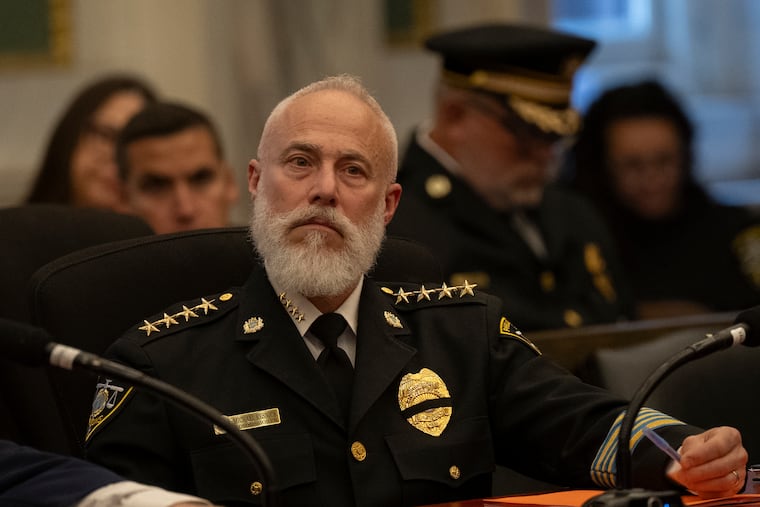
"He did not know he was the reason the plane had landed," said Philadelphia Police Chief Inspector Joe Sullivan, of the Homeland Security and Counter Terrorism unit.
The boy and his 16-year-old sister, of White Plains, N.Y., were traveling on USAirways Flight 3079 from New York's LaGuardia airport to Louisville to see their grandmother.
Instead, they and their 13 fellow passengers spent several hours in Philly's airport being interviewed by local, state and federal authorities, who initially thought that they were intercepting a suicide bomber or hijacker.
Police quickly uncovered the misunderstanding, and the passengers were booked on other flights to Kentucky. Bomb-sniffing dogs went through the jet as a precaution, but found nothing illicit, Sullivan said.
"This is an example of someone erring on the side of caution, and in this day and age, it's an appropriate response," Sullivan said.
The attendant whose suspicion led to the scare did ask the teen what he was wearing, Sullivan said.
But the crew "did not receive a clear response," said Carlo Bertolini, spokesman for Chautauqua Airlines, which operated the flight for USAirways.
"While we always regret any inconvenience to our passengers, safety and security must remain our top priority," Bertolini said in his prepared statement. "We will use today's events to further strengthen our commitment to both security and customer service."
The teens' grandmother, interviewed by TV reporters in Louisville, said that her grandson has worn his tefillin on flights before without any problem.
She smiled throughout the brief interview, saying that the experience was "a very exciting morning for them."
"They'll be able to write an essay on 'How I spent my time going to see Grandma,' " she said, with a laugh.
Tefillin, also called phylacteries, are small, black, leather cubes with leather cords attached. They contain scrolls of parchment inscribed with passages from the Bible; they traditionally are worn by devoutly observant men as a reminder of God's presence, said Rabbi Shira Stutman, director of the Jewish Federation of Greater Philadelphia's Center for Jewish Life and Learning.
Stutman didn't fault the attendant or the airline for their suspicion, in an era when terrorists are sneaking explosives into their underwear, shoes and other creative places in their effort to bring planes down.
"Most people, on East Coast America anyway, understand what a yarmulke is," Stutman said. "They understand what a hijab is. But a tefillin is not something that people see. It looks unusual if it's something you're not used to.
"If there is a silver lining to this, it would be that it encourages everyone in America - not just flight attendants - to learn more about each other, and each other's cultures, religions and traditions," she added.
Outside baggage claim yesterday morning, travelers said that they didn't mind the inconvenience.
"I'd rather be super-sure of the security than take a risk," said Shannon Russell, 40, of Norfolk, Va., who flew into Philly on a business trip. "No sense in risking any more American lives."