In a time of turmoil, the violent few don't define a nation | Opinion
The violence in St. Louis takes away the very essence of what the peaceful protests were trying to project: Many worry that their sons and brothers and husbands will be the target of profiling.
CAMBRIDGE, Mass. — A lone protester paced in front of Harvard University's admissions office on a foggy Monday morning. He was peaceful and respectful of people's space and ability to navigate the sidewalks, yet he made his point with a variety of signs he had with him that he interchanged during the day.
The rights we have in this county to join with others or march solely to protest is crucial to a healthy democracy — and it is the very essence of the rights the First Amendment allows us.
It is what we do. It is what we have always done. Throughout our history, it has drawn attention to grievances. Some were right, some were wrong. But all of them have forced us to discuss the virtue of each individual issue.
Peaceful protests have defined us. When they turn violent, they demoralize us.
Recently, protests in St. Louis erupted after a white former police officer was acquitted of first-degree murder in the 2011 shooting death of a 24-year-old black man.
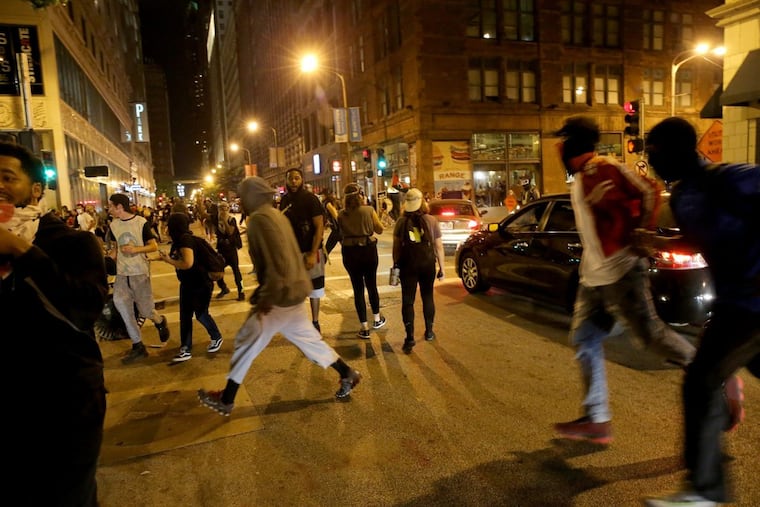
At first, the protests that began early on a Friday evening were peaceful and orderly. The protesters vented their concerns and hurt, and the police gave them a wide berth to do so. Then came nightfall.
By midnight, St. Louis Police Chief Lawrence O'Toole said, 33 people had been arrested and 10 police officers had suffered injuries.
In a joint video statement with Mayor Lyda Krewson, he said: "Many of the demonstrators were peaceful. However, after dark, many agitators began to destroy property and assault police officers."
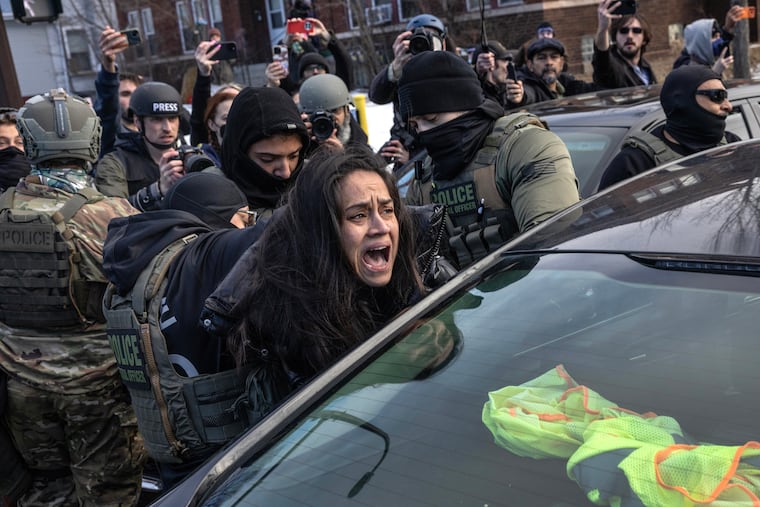
On Saturday, protesters carrying bats and hammers shattered windows and played a cat-and-mouse game with police that resulted in nine arrests.
By Sunday night, the number of protesters had swelled to more than 1,000; again, the protests began peacefully and then went dark and violent. More than 80 people were arrested as demonstrators smashed business windows and repeatedly tried to block an interstate ramp.
All of this takes away the very essence of what the peaceful protests were trying to project: Many mothers and sisters and wives worry that their sons and brothers and husbands will be the target of profiling.
There is nothing wrong with having that conversation. I've seen an abundance of efforts across the country of law enforcement and minority communities to "know" one another outside of the biases through which each side sees the other. Most of them have been successful.
Not all police officers should be judged by the actions of a few. Not all young black males should be judged by the actions of a few, either. None of this is easy. Yes, it is an uncomfortable conversation, but anything with great virtue begins with awkward and uncomfortable conversations.
The deeper problem is that the agitators who destroy businesses have no regard for authority, private property, or the community in which they live. They are looking for attention, and they are getting it in spades; their antics own social media, newscasts, and print articles and make everyone wonder whether the country is falling apart.
I would argue that the country is not falling apart and that the actions of a few should not be heightened in profile over the actions of the many.
In the 49 states and hundreds of thousands of miles I have traveled in this country, the values and virtues of the people are much more reflected in the compassion and sacrifice we saw in the aftermath of Harvey and Irma than in the protests in Charlottesville, Va., and St. Louis, or in the antics of the far-left-leaning antifa movement in Berkeley, Calif.
Salena Zito is a CNN political analyst, and a staff reporter and columnist for the Washington Examiner. For more information, visit www.creators.com.