The Case for Impeachment: Trump’s contempt for the rule of law subverts democracy
A breathtaking disregard for the principles and institutions that have underpinned the foundations of our free society for 250 years.
This essay is part of a series called “The Case for Impeachment,” which illuminates how Donald Trump has trampled the rule of law and is a clear and present danger to the republic.
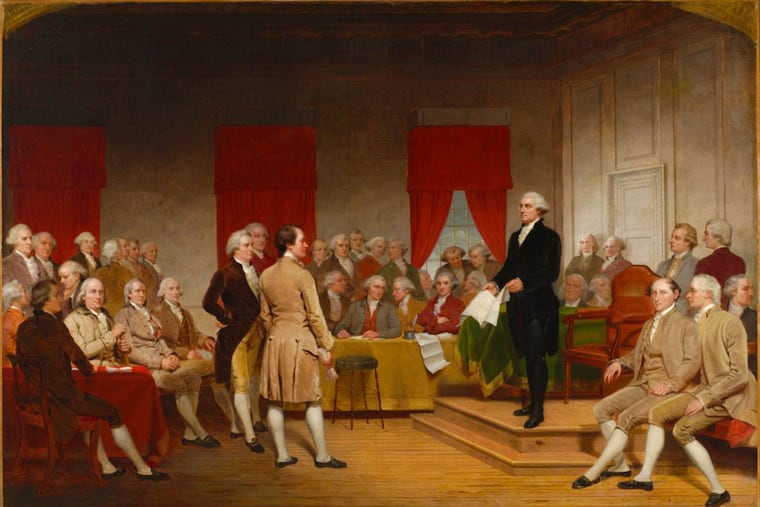
As we celebrate 250 years of life, liberty, and the pursuit of happiness, one bedrock principle of the founding era is now on shaky ground — the rule of law.
John Adams famously wrote that we are “a government of laws, and not of men.” The rule of law means that we, the people, through our elected representatives, enact laws, and that all of us are equally obligated to follow them.
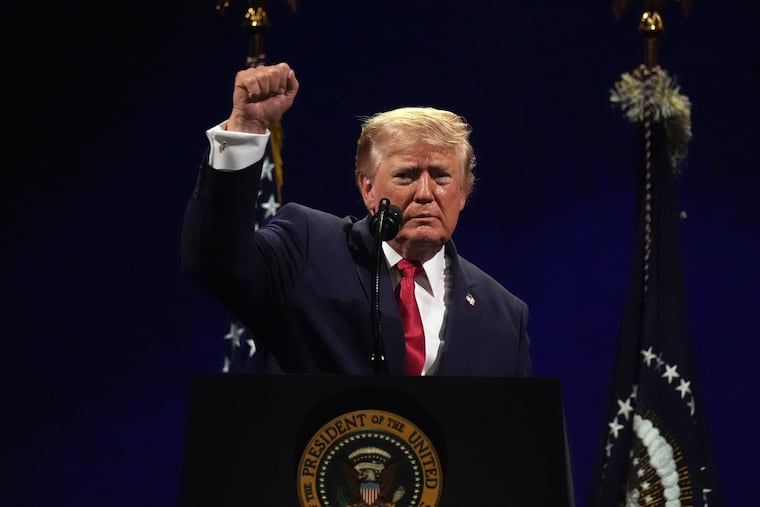
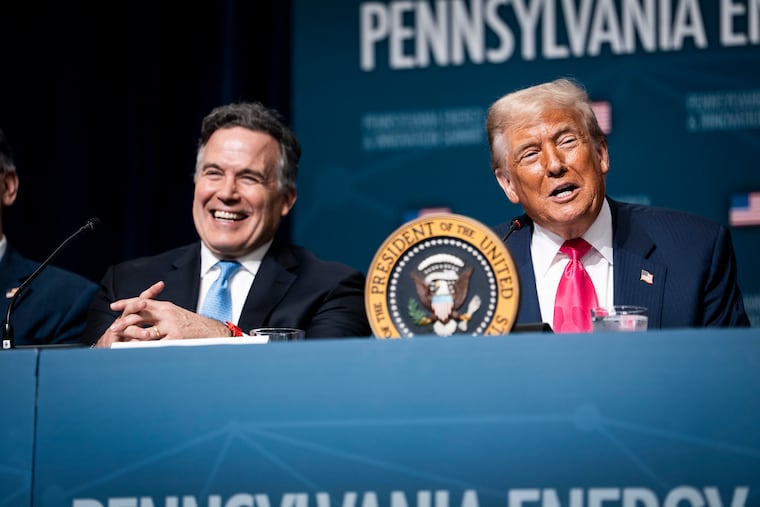
When I served as a U.S. attorney, independence meant not just liberty from the rule of a monarch, but freedom from partisan politics. Now, during our Semiquincentennial, President Donald Trump seems to think otherwise.
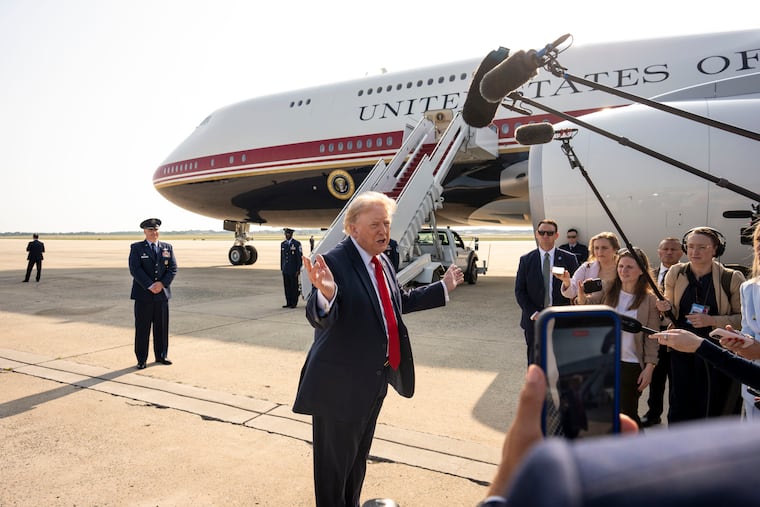
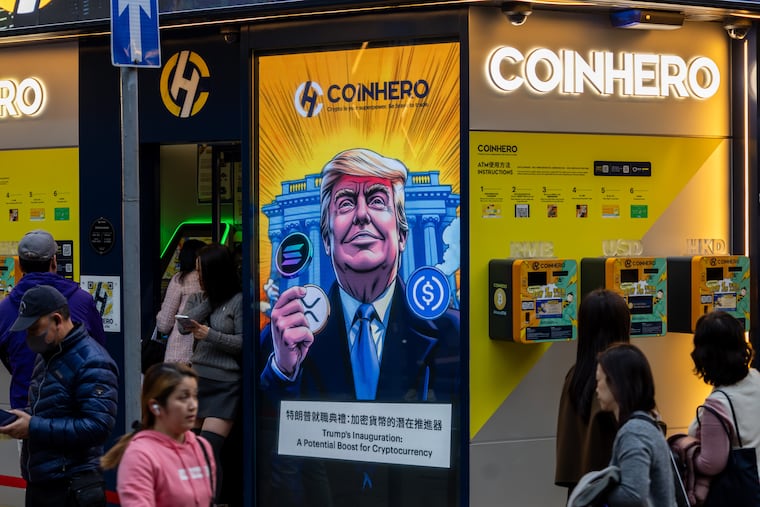
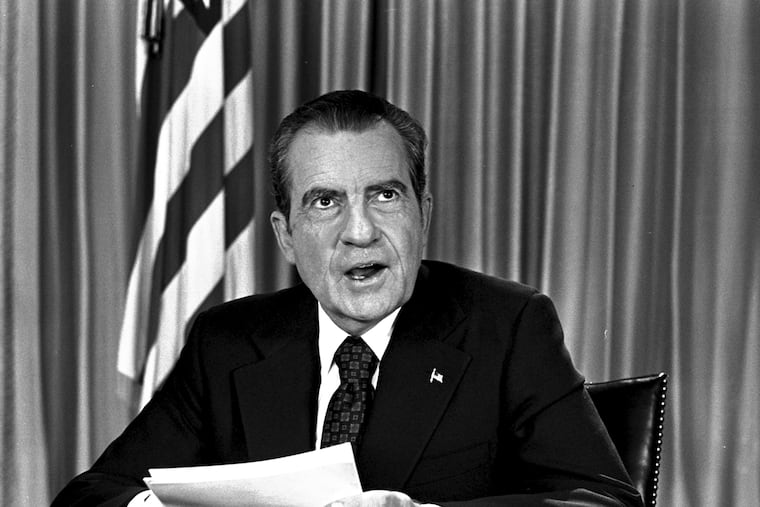
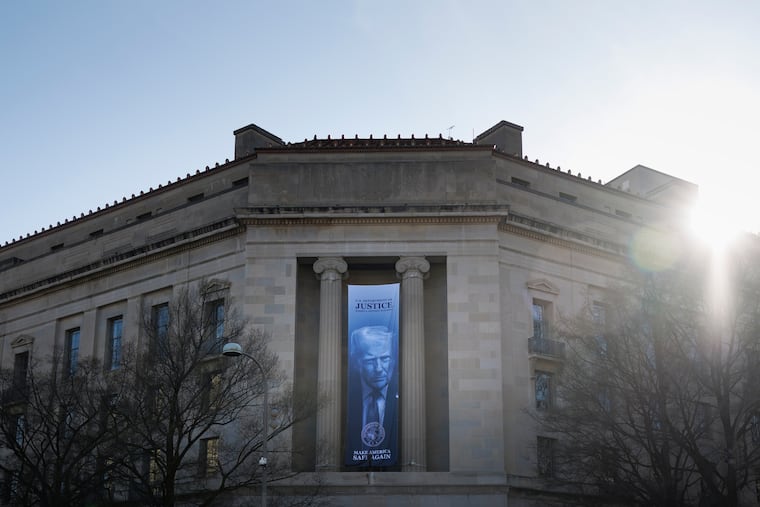
His scowling face appears on a banner on the building that houses the U.S. Department of Justice. In that same building, Trump declared himself America’s chief law enforcement officer, a shocking departure from chief executives in the post-Watergate era.
Ignoring norms and policies, Trump and his appointees at the Justice Department have injected strongman tactics into the administration of the law. Attorney General Todd Blanche has pointed to language in the Constitution that vests the executive power in a president of the United States to argue that Trump has the authority to direct all executive branch agencies, including the Department of Justice. But Blanche overlooks another provision of Article II, which requires the president to “take care” that the laws be executed “faithfully.”
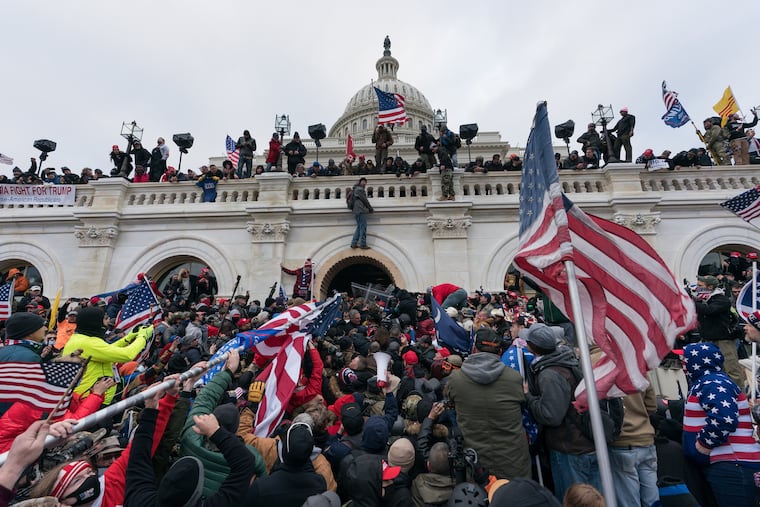
Instead, we have seen Trump and his cronies use the DOJ to reward his allies and punish his enemies. In Trump’s first month back in office, he granted pardons to more than 1,500 defendants who were convicted of crimes relating to the Jan. 6, 2021, attack on the U.S. Capitol.
That was followed by the dismissal of bribery charges against then-New York Mayor Eric Adams in exchange for an agreement to support Trump’s immigration enforcement agenda. Calling the deal a “quid pro quo,” Danielle Sassoon, Trump’s own appointee as interim U.S. attorney in Manhattan, resigned, as did eight other Justice Department lawyers.
The department’s Antitrust Division recently approved Paramount’s $111 billion acquisition of Warner Bros., but only after the parent company of CBS canceled The Late Show with Stephen Colbert and gutted 60 Minutes after both were critical of Trump.
Baseless charges
For those who have crossed the president, the powers of the Justice Department have been used to attack. Baseless charges in the Eastern District of Virginia against New York Attorney General Letitia James, who secured a judgment against Trump’s company in a civil fraud case, and former FBI Director James Comey, who led the agency during its investigation into connections between Trump’s 2016 campaign and Russia, fizzled as courts found that the interim U.S. attorney who brought them was appointed illegally.
Undeterred, prosecutors later indicted Comey again for threatening to kill the president by posting online a photo of seashells spelling out the numbers “8647.” That case remains pending.
A politicized Department of Justice erodes the rule of law when a president uses it as a tool to favor some Americans and a cudgel to punish others.
Other targets of prosecutors included Jerome Powell when the former chair of the Federal Reserve refused Trump’s demands to lower interest rates, members of Congress who participated in a video accurately stating that illegal military orders may be disobeyed, and members of the intelligence community who investigated Russian election interference in 2016.
A politicized Department of Justice erodes the rule of law when a president uses it as a tool to favor some Americans and a cudgel to punish others. Over time, people tend to grow cynical about the law and lose trust in its stewards, making it more difficult to obtain compliance and hold offenders accountable. Our society becomes less safe and less just, allowing the powerful to prey upon the vulnerable.
As a society, administering the law evenhandedly is essential to the legitimacy of our experiment in democracy. We the people must demand a president who pledges to abide by important restraints that have guided prosecutors for the past five decades, and even to codify them into the Code of Federal Regulations to make them more difficult to brush off.
These regulations should make it clear that a president may communicate with the Justice Department about subject matter priorities, but not cases; that prosecutors must refrain from considering partisan politics in charging decisions; and that prosecutors may seek an indictment only if they believe the evidence is sufficient to obtain and sustain an indictment, and not just to “name and shame” a president’s rivals, as Ed Martin said when he was appointed to lead the department’s “Weaponization Working Group.”
Criminal prosecution is intended to protect the public and deter criminal conduct, not to exact revenge for a president who sits above the law.
Our Declaration of Independence was a renunciation of a king. As Thomas Paine wrote at the time of the founding, “In America, the law is king.”
Barbara McQuade, a professor of practice at the University of Michigan Law School, served as U.S. attorney in the Eastern District of Michigan from 2010 to 2017 and is the author of “The Fix: Saving America from the Corruption of a Mob-Style Government.”

Inquirer Opinion Newsletter