Inquirer Editorial: Cleaner air will save lives
An attempt to choke an environmental regulation that could stop polluters from blowing soot across state lines failed Thursday. So now they want to further delay the rule, which has been postponed for a decade. Enough already!
An attempt to choke an environmental regulation that could stop polluters from blowing soot across state lines failed Thursday. So now they want to further delay the rule, which has been postponed for a decade. Enough already!
These stall tactics are part of a larger attack on the Environmental Protection Agency's ability to enforce clean-air standards overall as well as another pending rule that would limit heavy-metal and mercury emissions that are known to cause birth defects.
Operators of outmoded coal plants are lobbying hard, and leading the charge are two Kentucky Republicans, Sen. Rand Paul, whose resolution to stop the Cross-State Air Pollution Rule died in a 56-41 vote Thursday, and Rep. Ed Whitfield, who has proposed similar measures.
That makes sense for them since they are from a state where coal plants provide most of the electricity and energy interests serve up cash to their political campaign accounts. But it doesn't make sense for downwind states whose residents breathe dirty air blown across their borders.
More than half of the nation's coal plants have been retrofitted to diminish pollutants, according to the EPA. But some operators don't want to spend the money to fix dangerous facilities. Upgrading the 42-year-old Louisa, Ky., plant called Big Sandy 2 could reportedly cost $700 million.
But it is worth the expense.
The EPA estimates that the Cross-State Air Pollution Rule alone, which would reduce sulfur dioxide and nitrogen oxides that blow across boundaries in 27 Eastern states, could avoid 13,000 to 34,000 premature deaths in 2014, as well as prevent other health problems ranging from heart to asthma attacks.
Operators of outmoded coal plants argue that jobs would be lost, energy costs would go up, and the nation would lose electrical capacity. But other energy companies that have retrofitted their coal plants or rely on natural gas and nuclear energy for fuel say capacity is increased and demand reduced every year. They also say installing antipollution devices or building new plants would create jobs.
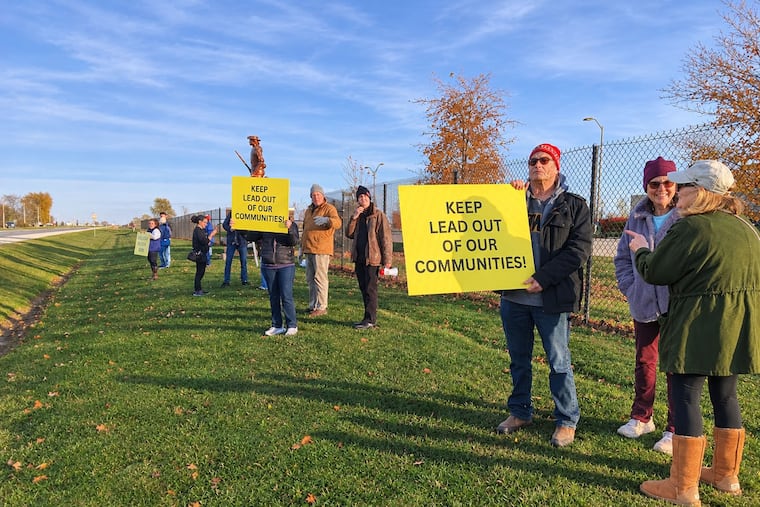
Downwind states already are paying to care for residents poisoned by air pollution. The Senate's vote was a vote to protect the nation's health. Clean air supporters must now stop efforts to delay implementation of these important rules. Even one premature death, birth defect, pr heart or asthma attack is one too many.