A property manager used rent price-setting algorithms that were banned in Philly last year, lawsuit says
A Philly renter filed a class-action lawsuit in the first case under a city law banning landlords from coordinating to set rents. City officials argue the practice can artificially inflate prices.
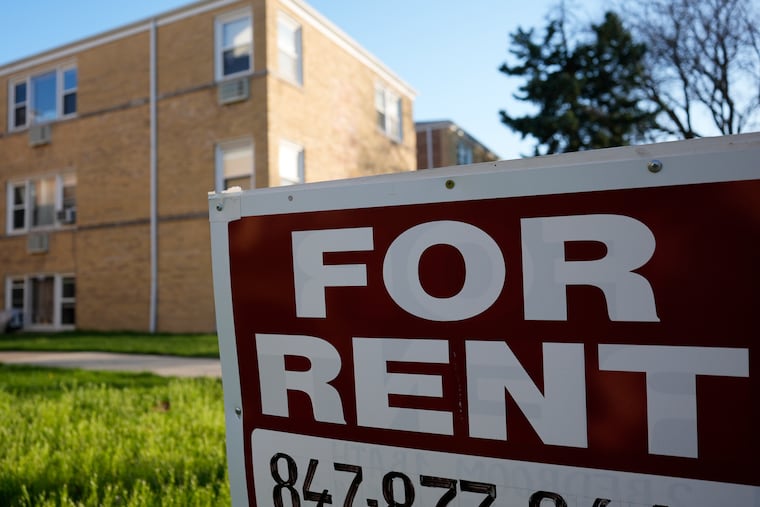
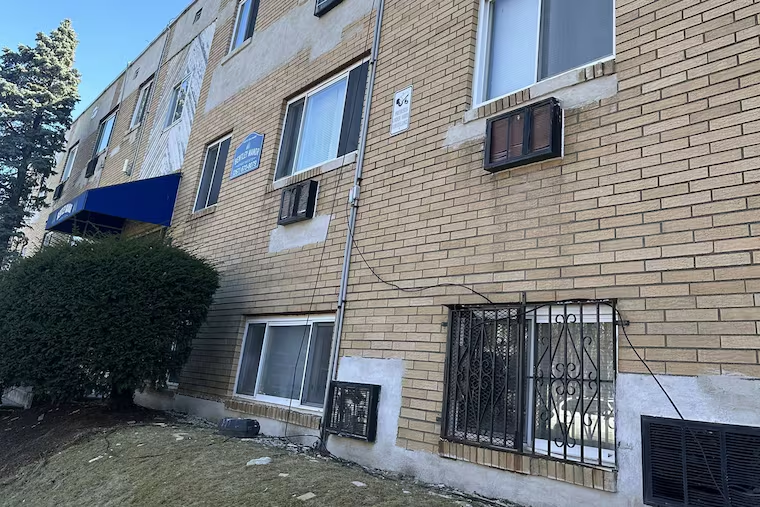
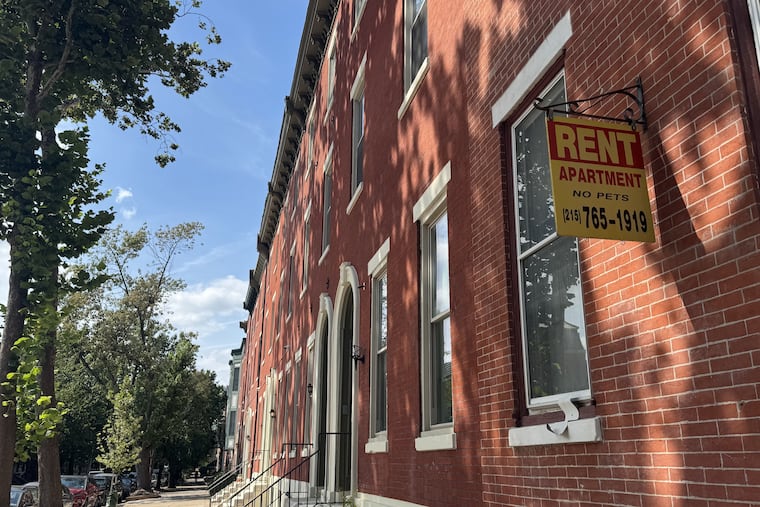
A West Philadelphia renter has filed a class-action lawsuit against his property manager and a national company that sells property management software, alleging that his landlord used price-setting algorithms that Philadelphia has banned.
Since early 2025, Philadelphia has prohibited rental home providers from coordinating to set prices and using software that facilitates the practice. Officials argued that price coordination, especially among large corporate landlords, can lead to artificially inflated rents.
This month, renter Yiyao Liu sued Willow Bridge Property Co., which manages his apartment building and is one of the country’s largest residential property managers, and RealPage, an industry leader in software for landlords. Liu alleges that Willow Bridge used RealPage services to get rent recommendations based on information from competing landlords that is not available to the public, in violation of a Philadelphia ordinance.
The lawsuit, filed in Philadelphia’s Court of Common Pleas, is the first known case brought under the city’s ban, according to the office of City Councilmember Nicolas O’Rourke, who introduced legislation in 2024.
At the time, O’Rourke said his bill was a preemptive move based on corporate landlords’ use nationwide of software to coordinate rental prices. City Council unanimously passed the legislation in October 2024, and the ordinance went into effect in February 2025.
Liu, who lives in the Vue32 apartment building, asks in his lawsuit to represent as a class other tenants of Philadelphia rental units managed by Willow Bridge.
A representative from RealPage said Monday that the company does not comment on active litigation, and Willow Bridge’s general counsel did not immediately respond to a request for comment.
But in a 2024 statement to 6abc, RealPage said that a lawsuit brought against it by the U.S. Department of Justice and state attorneys general sought “to scapegoat pro-competitive technology that has been used responsibly for years.”
Willow Bridge was one of a handful of large landlords that the Justice Department added as defendants in its lawsuit, in which it alleged that RealPage’s pricing algorithm violated antitrust laws. The Justice Department reached a settlement with RealPage late last year that does not include admission of guilt or financial penalties.
Last month, Washington, D.C.’s Office of the Attorney General announced that it had reached settlements with two landlords it accused of conspiring to inflate rents using RealPage software. The landlords agreed to pay a total of $1.4 million. These were the latest settlements to come from the district’s 2023 lawsuit against RealPage and 14 of the district’s largest residential landlords.
In the summer of 2024, San Francisco became the first city in the country to pass a ban on landlords using algorithmic software to set rents. Philadelphia became the second that fall, according to O’Rourke’s office.
While Council members considered O’Rourke’s legislation, the Pennsylvania Apartment Association said in written testimony that “every industry relies on internal and external data analyses and responsive pricing technology.”
The association said algorithm-based technologies improve operational efficiency, which “directly benefit[s] residents and rental communities.” And it argued that algorithmic software “encourages pricing competition within the marketplace through greater transparency.”