Council approved $278M for the first phase of Mayor Parker’s H.O.M.E. initiative. The city has only spent $38M so far.
The city is budgeted to spend the remaining $240 million by the end of the current fiscal year on June 30, 2027.
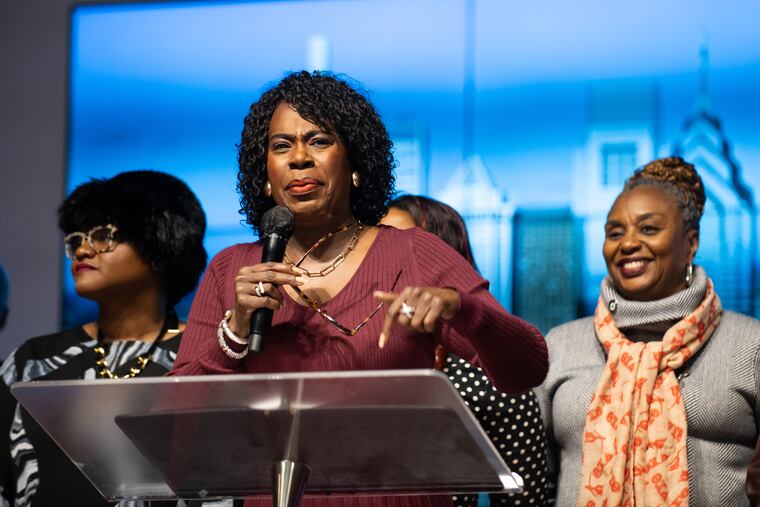
Mayor Cherelle L. Parker’s administration as of last month had spent only $38 million of the $278 million it was budgeted for the first phase of the Housing Opportunities Made Easy, or H.O.M.E., initiative, according to a new report from Philadelphia’s top fiscal watchdog.
The city is budgeted to spend the remaining $240 million by the end of the fiscal year on June 30, 2027, under legislation approved by City Council in January.
But as of Sept. 30, the program’s spending was “only a little over 13%” of the way there, City Controller Christy Brady said in an interview Tuesday.
“We do want to see more spending, because it is important. It is a great program,” Brady said. “Affordable housing is what keeps our communities strong.”
Parker first proposed H.O.M.E. in February 2025, with the goal of building or preserving 30,000 units of housing in her first term. The initiative is primarily funded by $800 million in city bonds that Council approved in June 2025.
After delays caused by negotiations with lawmakers over how the bond proceeds would be spent, the administration issued the first of two planned $400 million bond issuances in early 2026, budgeting to spend $278 million of the proceeds by the end of the current fiscal year.
“The programs the Controller reviewed are on pace to use their full budgets and then some, because demand for home repairs and accessibility modifications is very strong,” Chief Housing and Urban Development Officer Angela Brooks said in a statement. “Based on current projections, we expect to spend at a faster pace for the rest of the fiscal year.”
Brooks said the initiative’s “first-phase budget supports new programs and housing production, such as new construction, preservation, homeownership, and land disposition.”
“That work is designed to spend on project milestones, not on a calendar,” she said.
Any money left unspent at the end of June will still be available for the city to spend on H.O.M.E. programs in the following fiscal year. Although there is no direct cost to the city for delays in spending bond proceeds, there are drawbacks.
One purpose of debt-financing programs by issuing bonds and repaying them with interest — as opposed to allocating money for the programs each year out of the city budget — is for the city to get more money quickly to fund important priorities that can be paid back over time. As delays in spending the bond proceeds drag on, the real value of the borrowed money goes down over time due to inflation, undermining the purpose of taking out new city debt.
Delays in spending down money for major bond-financed programs have become commonplace in City Hall.
Former Mayor John F. Street’s anti-blight Neighborhood Transformation Initiative, former Mayor Jim Kenney’s Rebuild program to renovate parks and recreation centers, and former Council President Darrell L. Clarke’s Neighborhood Preservation Initiative all involved debt financing, and all, for varying reasons, also saw spending delays.
Four of 29 programs get funding
The city, as of Sept. 30, had spent money on only four of the 29 housing programs and strategies approved for funding through H.O.M.E., Brady’s report found.
All four were preexisting programs now getting additional support from the mayor’s initiative. The Basic Systems Repair Program, which provides free repairs for critical projects to income-qualified residents, has received the most funding at just under $26 million, according to the report.
“The four longstanding repair and eviction programs … have already put more than half of their first-year budgets to work, nearly $38 million,” Brooks said. “Most of that went to emergency home repairs and accessibility modifications for Philadelphians in North, West, and Southwest Philadelphia.”
The remaining 25 approved H.O.M.E. projects — for which the controller found no related expenditures — will largely involve creating new programs. The administration, for instance, has said it intends to launch the One Philly Mortgage, which will help first-time homebuyers earning up to 120% of the area median income, later this year.
» READ MORE: Here’s how Mayor Parker plans to spend $800 million on housing
Although many of the programs tied to H.O.M.E. have yet to launch, Parker’s administration has already claimed to be more than halfway to her goal of building or preserving 30,000 units of housing.
As of Tuesday afternoon, the city’s Philly Stat 360 website — which is itself a separate initiative by the Parker administration to provide the public with information on city services — tallied 16,394 built or preserved units under the H.O.M.E. initiative.
In addition to funding housing support programs, the administration has also sought, as part of H.O.M.E., to reform zoning rules and streamline city redevelopment processes, changes that could boost housing production without additional money.
The administration did not respond to a request regarding how many of the units included in the Philly Stat 360 are directly related to H.O.M.E.
The current goal is a watered-down version of a Parker campaign promise during the 2023 mayor’s race, when she promised “to create 30,000 units of affordable housing.”
After Parker took office, administration officials in 2024 said the city would count both market-rate and affordable housing units in its tally, and that it would include new homes built by private developers during her term, not just those associated with city programs.