Trump to announce relaxed rules on oil firms’ methane leaks
Methane has accounted for about 30% of global temperature rise since the industrial revolution, according to the International Energy Agency, and the rollback is alarming environmental advocates.
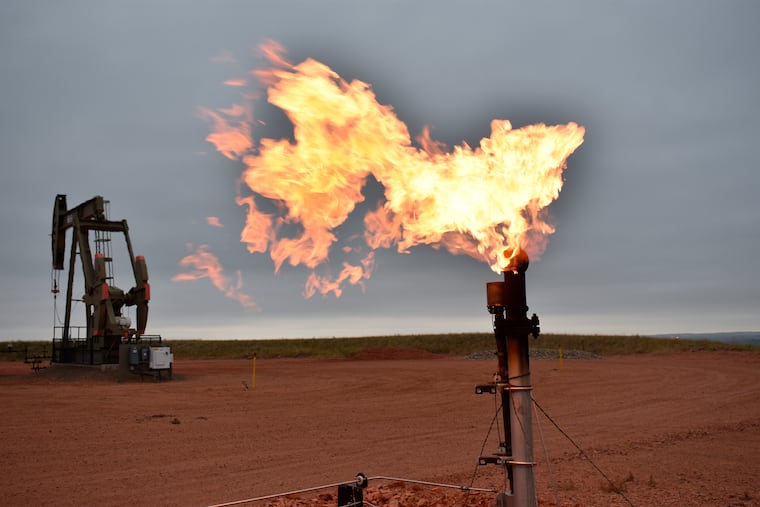
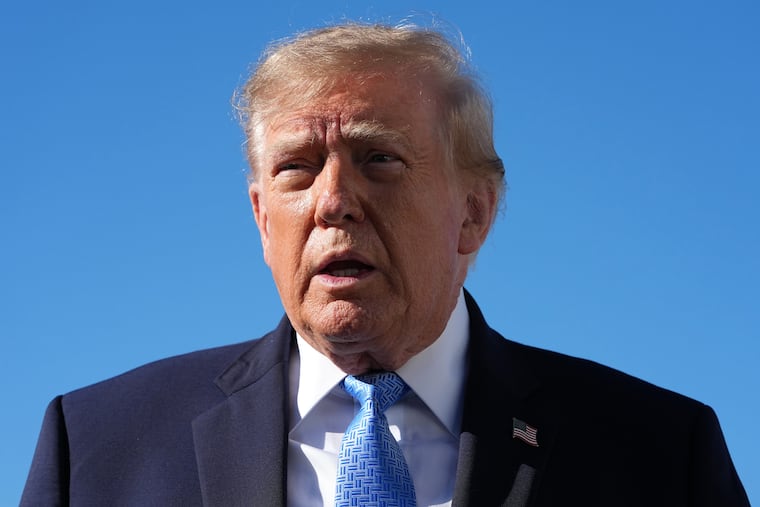
The Trump administration was set to announce Tuesday a proposal to weaken a regulation that requires oil and gas companies to limit leaks of methane, a more potent driver of climate change than carbon dioxide, according to two people familiar with the matter.
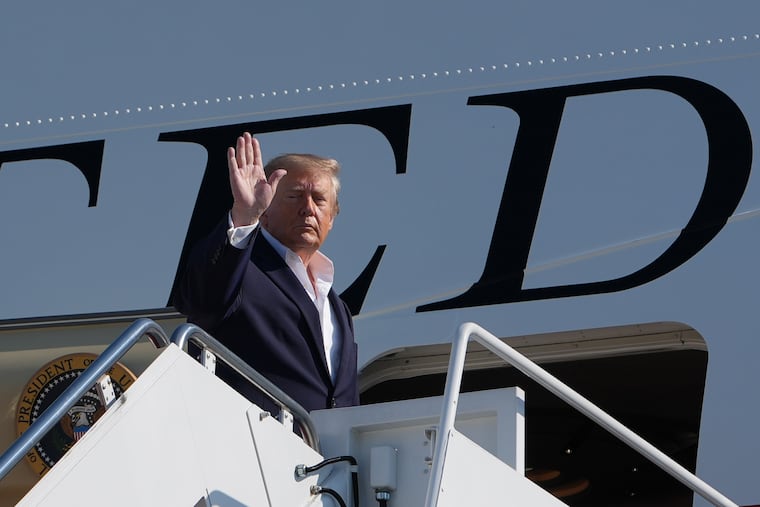
President Donald Trump was expected to announce the Environmental Protection Agency’s proposed regulation at an event in Texas on Tuesday evening, the people said. EPA Administrator Lee Zeldin said earlier this month that the agency was “days not weeks” away from issuing the proposal, roughly outlining its contents.
Bloomberg News first reported the timing of Tuesday’s announcement.
The move comes even as several major oil companies, including Chevron and ExxonMobil, have long supported direct federal regulation of methane, arguing that industrywide rules are needed to curb leaks. But that support has not always extended to every provision: The companies have at times pressed regulators to narrow monitoring and reporting requirements.
Smaller independent producers and their trade groups have more aggressively fought methane rules as burdensome and costly. Executives at some of those firms — including several major donors to Trump — have pushed to roll them back.
Methane, which traps about 80 times as much heat as carbon dioxide over a 20-year period, accounts for roughly 12% of greenhouse gases, according to an EPA webpage that the agency removed from its site after Trump took office. Another EPA report says methane “emissions represent the greatest opportunity for low or no-cost mitigation” of climate change.
Last year, Zeldin said the rule aimed at curbing methane leaks and dozens of other regulations were being reconsidered in what he has called the largest deregulatory action in U.S. history, aimed at saving businesses and consumers money. Environmental advocates say any savings are more than outweighed by public health costs and damage to the economy caused by climate change and increasing weather extremes.
“Americans must be able to afford to heat their homes in the winter and fill up their car and drive to work,” Zeldin said in a statement earlier this month, before the proposal’s release, while attending the New Mexico Oil and Gas Association’s annual meeting. “They can’t do that when the people producing the energy are weighed down by unnecessary burdens.”
The 2023 Biden-era rule requires companies to reduce methane emissions from new and existing oil and gas infrastructure, demanding monitoring and retrofitting old equipment to reduce leaks. The standard also instituted curbs on volatile organic compounds, which can cause air pollution that is harmful to breath or warm the climate.
“The oil and gas industry says it’s a ‘good-faith’ partner eager to help craft regulations, but time and time again it’s worked behind the scenes to delay and weaken them. As a result, the United States today emits more methane from its oil and gas sector than any other country in the world,” Julia Kane, a researcher with Fieldnotes, an oil and gas watchdog group, said in a statement.
“Now, Lee Zeldin’s EPA is giving oil and gas corporations exactly what they’ve long wanted: a toothless methane standard they can use to pretend they’re well-regulated, all while they continue to knowingly leak and flare dangerous amounts of the heat-trapping gas.”
The Trump EPA proposal is expected to reverse the 2023 rule’s ban on routine flaring, allowing companies to burn off excess gas rather than capturing it. The draft policy would also eliminate the Super Emitter Program, which required companies to take action on major methane leaks when detected by third-party watchdogs.
Methane has accounted for about 30% of global temperature rise since the industrial revolution, according to the International Energy Agency, and the rollback is alarming environmental advocates.
The proposed regulation would also change standards for “marginal wells,” which produce only 6% of U.S. oil and gas but account for about half of the sector’s methane emissions.
Zeldin said in October that the old rules wrongly lumped together “mom and pop” oil and gas producers, which he said could be put out of business by the rules, with multinationals such as Exxon and Chevron.
“Part of this process has been to keep the concerns that are coming in from the application of [the regulations] to these far smaller operations and how to get the regulation right for them,” Zeldin told reporters in a briefing at EPA headquarters.
Myron Ebell, who ran the EPA’s transition team going into Trump’s first term, praised the potential regulation change for trying to “level the playing field” between Big Oil and independent producers.
The EPA weakened enforcement of existing methane regulations last year, saying the agency’s “enforcement and compliance will no longer focus on methane emissions from oil and gas facilities” in a memo on March 12, 2025. The Environmental Defense Fund, an advocacy group, estimates that additional gas released or flared in the first year under that policy could have otherwise supplied nearly 19 million households.
In November, the EPA also delayed deadlines to comply with many of the 2023 standards until 2027.