Amid rising political violence, N.J. candidates may now use campaign donations to beef up security
Gov. Mikie Sherrill signed the new policy into law after a string of high-profile attacks on political figures in recent years. It takes effect immediately.
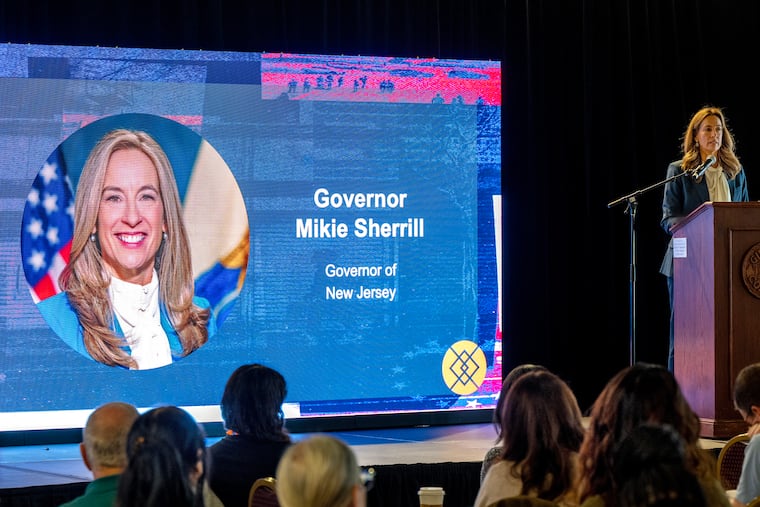
New Jersey Gov. Mikie Sherrill signed a law Tuesday that will permit people running for office to use campaign contributions to hire security guards and buy surveillance equipment, in a sign that politically motivated violence is on the rise.
New Jersey has now become the 17th state to allow political contributions to be spent on protection and security measures, according to the National Conference of State Legislatures.
The law takes effect immediately, according to the legislation.
Typically, candidates cannot not use political donations to cover personal expenses. But since the execution of New Jersey U.S. District Judge Esther Salas’ son in their Middlesex County home in 2020 by a self-described men’s rights lawyer, appointed and elected public officials nationwide have taken steps to protect their privacy.
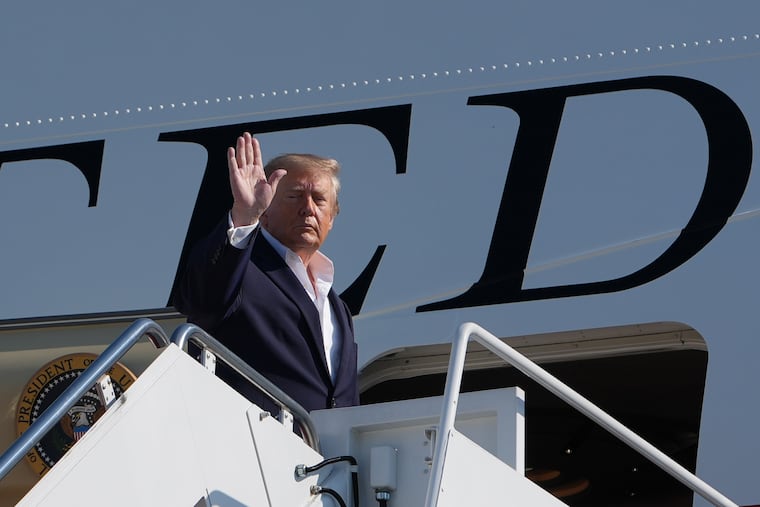
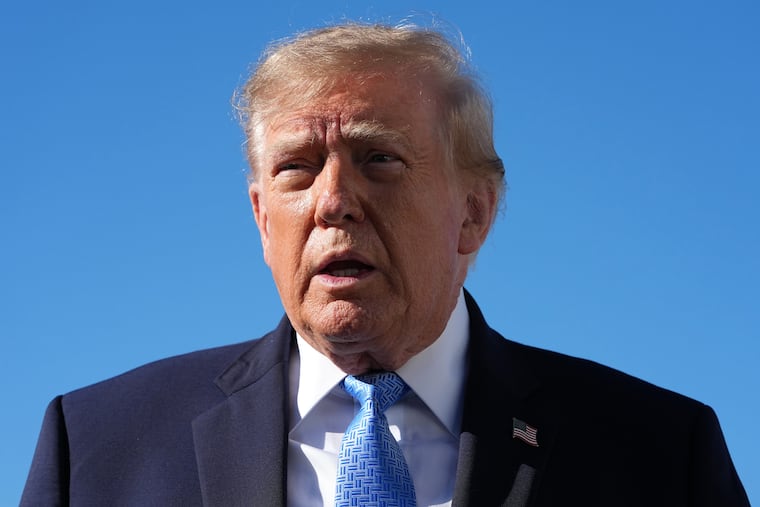
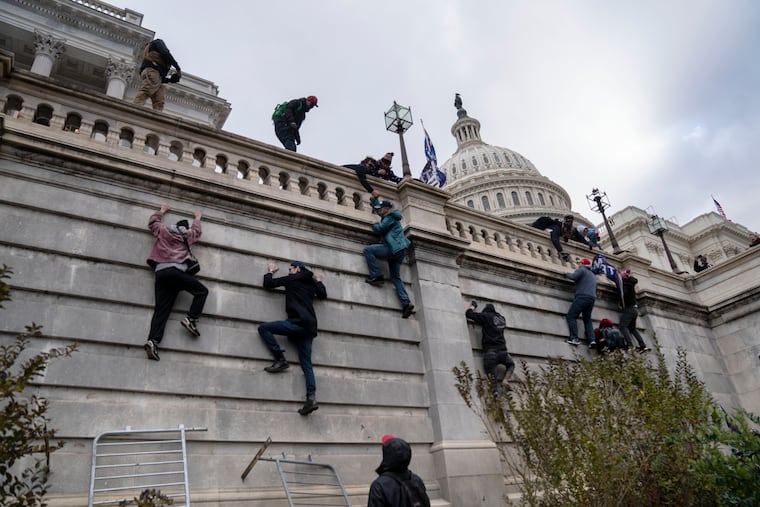
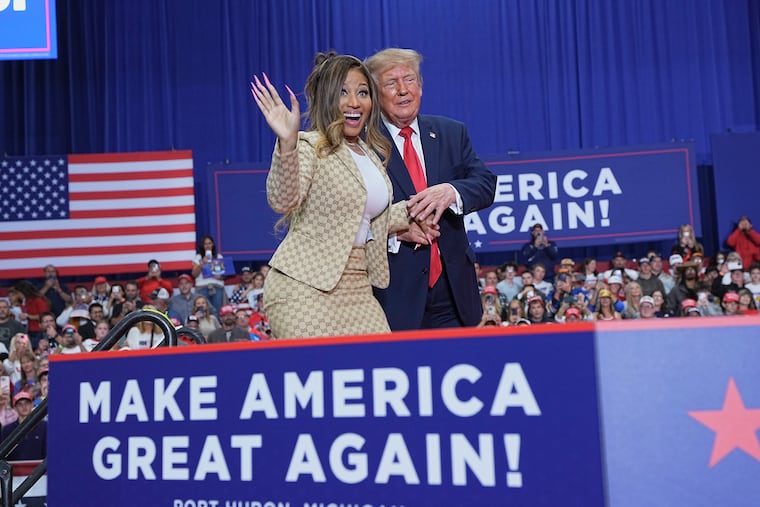
Those fears only multiplied after President Donald Trump was wounded during a shooting at a Pennsylvania campaign rally in 2024, last year’s arson attack at the Pennsylvania governor’s mansion while Gov. Josh Shapiro slept inside, and the 2025 assassination of Democratic Minnesota State Rep. and former House Speaker Melissa Hortman and her husband.
The protections could extend to candidates’ immediate family members with whom they live. Candidates shall not hire relatives to work as security personnel, nor may they hire security companies owned by family, according to the bill.
The state Senate unanimously approved the legislation in June. The Assembly voted 51-12 with nine abstentions in September, sending it on to the governor for her signature.