Philly traffic deaths were down 26% last year. Can it last?
This is the largest decline in traffic deaths since the city began Vision Zero in 2016. But the share of walkers and cyclists killed has risen.
There were 26% fewer crash-related deaths on Philadelphia roadways in 2025 compared to the prior year but serious nonfatal injuries in collisions increased slightly.
Last year, 89 people were killed in Philadelphia crashes, down from 120 in 2024, amounting to the biggest one-year drop since 2016, when the city began its Vision Zero program, aimed at reducing and ultimately ending traffic deaths.
While that is good news, city transportation officials said hard work lies ahead to ensure the overall decline in fatalities becomes a trend rather than a statistical blip.
Those are highlights of the annual Vision Zero report, released Monday.
Since the pandemic, people outside of cars have accounted for an increasing share of all traffic fatalities in cities across the nation. The trend holds true in the city last year.
Only 6% of the people involved in all Philadelphia crashes were walking when they were hit but pedestrians represented 41% of crash fatalities, said Virginia Lynn, senior Vision Zero coordinator for the city Office of Transportation and Infrastructure Systems.
Most fatal pedestrian crashes happen overnight, when fewer walkers and drivers are out, she said, adding that speeding is a leading cause.
“The lack of traffic overnight leaves open roads, and this induces speeding,” Lynn said. “Most speeding-related crashes occur between 9 p.m. and 2 a.m.”
Signs of progress
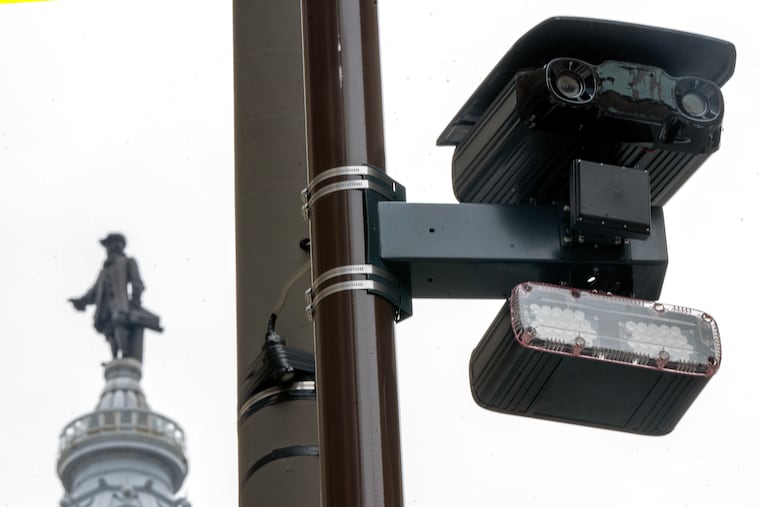
City officials point to increased use of automated speed-enforcement cameras, which have reduced fatalities by 40% on Roosevelt Boulevard since they were installed in 2020.
Speed cameras were placed on Broad Street in October 2025 and speeding violations declined 67% between then and March 30, according to a Philadelphia Parking Authority report filed with the state legislature.
Average vehicle speeds on Broad Street also declined.
“Lower speeds save lives,” said Marco Gorini, manager of the city’s Vision Zero program.
“When a person is hit by a driver at 20 miles per hour, there’s a 10% chance that crash results in a fatality. If the driver’s speed increases to 30 miles per hour, there’s a 50-50 chance,” he said.
A pedestrian struck by a car traveling 40 mph will die 90% of the time, Gorini said.
Speed cameras now are active along U.S. 13 in North and West Philadelphia and the city plans to install dozens more cameras on three more corridors with high numbers of crashes.
The state in 2023 allowed Philadelphia to use automated speed-enforcement on up to five roadways, plus Roosevelt Boulevard.
Last year’s Vision Zero highlights
Traffic calming projects were installed on 27 additional blocks along roadways identified as having the most crashes causing serious injuries and deaths.
Crews completed safety improvements on Market Street in Old City, featuring upgraded sidewalks, curb ramps, crosswalks, and bicycle lanes that separate riders from traffic and people who are walking or using skateboards.
Installation of devices at dangerous intersections that give pedestrians a head start to enter a crosswalk before vehicles get a green light.
Educational efforts to create a culture of safety are less discussed but perhaps just as important over the long term.
The city Office of Transportation and Infrastructure Systems has developed safety lessons that schoolteachers can weave into classes in a variety of subjects. And so far this year, staff members have visited classrooms, reaching about 700 Philly third graders with an interactive program called Safe Routes Basics.
“We do classroom activities about how to be a safe pedestrian, to stop, look, and listen every time they cross the streets,” Gorini said.