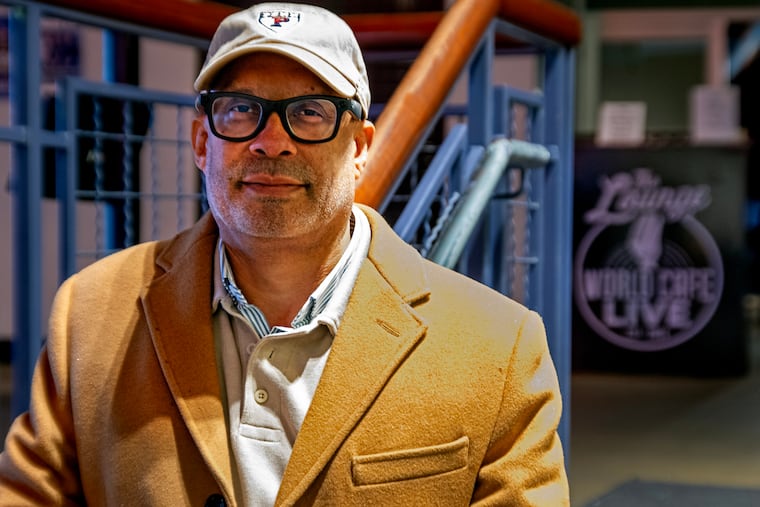
David L. and Rhonda R. Cohen are giving $10.5 million to the Philadelphia Orchestra and Ensemble Arts
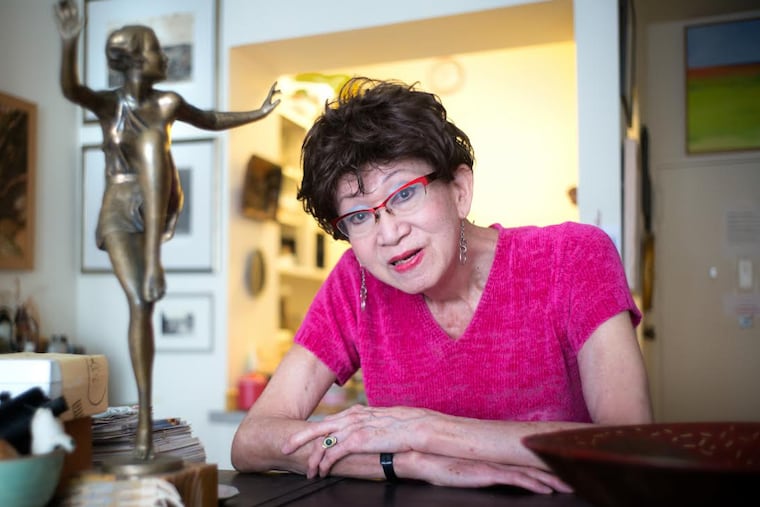
Cohen sees his involvement with the group as a way to "play a leadership role in promoting the arts and culture sector as a whole."
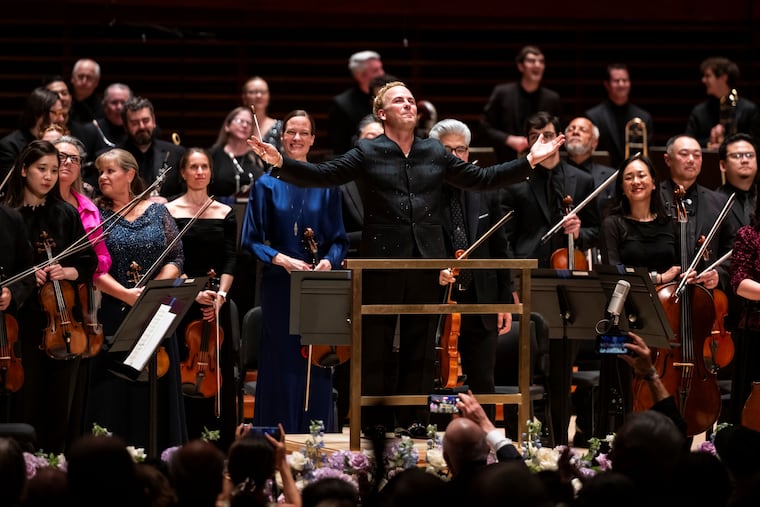
In January, David L. Cohen was elected to the board of the Philadelphia Orchestra and Ensemble Arts, and in the spring was invited to join its executive committee.
Now he has become a major donor, and sees his role at POEA as entree to a larger one advocating for Philadelphia’s arts and culture sector.
Cohen — former Comcast executive, chief of staff during the Rendell mayoral administration, and most recently U.S. ambassador to Canada — and his wife, Rhonda R. Cohen, are giving $10.5 million to POEA that will be used for a variety of activities that align with their interests.
The gift establishes one fund to support the orchestra as a cultural ambassador nationally and internationally through tours and other activities, and another fund to underwrite performances of works by overlooked, underrepresented, and emerging composers, as well as to celebrate the contributions of Jewish artists.
The gift will be recognized by naming the organization’s top administrative post the “Ambassador David L. Cohen and Rhonda R. Cohen President and CEO,” POEA announced Thursday.
It is the single largest donation the Cohens have made to a Philadelphia organization, David L. Cohen, 71, said.
Cohen said this week that the gift’s use came out of discussions with the organization’s leaders, including Philadelphia Orchestra music and artistic director Yannick Nézet-Séguin.
“We had multiple conversations and meetings about what our interests were, and we talked about education, we talked about cultural diplomacy. We also talked about our interest in supporting diverse audiences, which is something Yannick and I spoke about when I was in Canada. It is in my opinion one of the less talked-about but most important attributes that Yannick brings to the table,” Cohen said.
“I’m still a believer in diversity and inclusion,” Cohen said, “even if it’s become politically unpopular in certain segments and less politically popular in other segments. I still think diversity is what provides vibrancy, energy, uniqueness, and excitement to the United States and to the city of Philadelphia and the region.”
“It’s very much to support Yannick’s vision,” POEA president and CEO Ryan Fleur said of the Cohen gift. “When we go to China next month, part of the support will be this cultural diplomacy fund. When we go to Europe next year, part of this will fund that.”
A portion of the $10.5 million will be spent and another portion will go toward endowment, Fleur said.
The Cohens’ commitment was finalized in August, straddling the end of POEA’s ambitious fundraising campaign — $344 million in seven years — and the start of the next one.
“Most of the gift is meant to be a lead gift in the next campaign, to set an example,” said Cohen, who said he will personally make fundraising calls on behalf of POEA in the future.
Cohen’s very Philadelphia focus
Cohen’s involvement in POEA is part of re-devoting himself to Philadelphia causes since returning from his years as ambassador during the Biden administration.
“I took six months before I said yes to anything. I probably had over 100 meetings in that period of time and tried to refine my thinking,” he said.
One of the people he talked to about what he should do was Gov. Josh Shapiro.
Later, Cohen recalled, Shapiro called him and said: “Remember you talked to me about your willingness to be involved in important civic projects? How about the academy?”
That’s the Academy of Natural Sciences, where Cohen has assumed the role of mediator in talks between the boards of Drexel University and the academy over the future of their relationship — and the future of the academy itself.
Cohen said that after his return, he “very quickly circled around arts and culture as the space where I thought I could make a real difference, a place where obviously Philadelphia has prominence and wonderful organizations, but where I still felt were a little under-appreciated.”
Cohen had previously served on various nonprofit boards, including the chairmanships of the Philadelphia Theatre Company and the University of Pennsylvania.
The arts sector “might not have all the support that it merits — based on its contributions and its potential impact — from the government, from the corporate community, from the civic community, from a financial perspective, from an audience perspective,” Cohen said. “And I thought that it’s a place where my skills and my experience and my reputation could help to advance the power and the impact of any organization I became involved in.”
Philadelphia arts and culture has a global reputation, but what about locals?
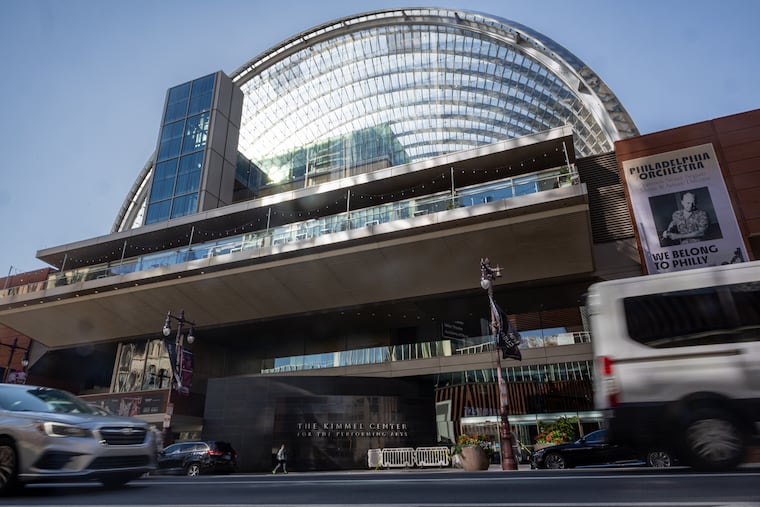
Cohen had some history with POEA, having served on the board of the Kimmel Center when it was still called the Regional Performing Arts Center.
Cohen also was inspired by something he picked up while he was in Canada.
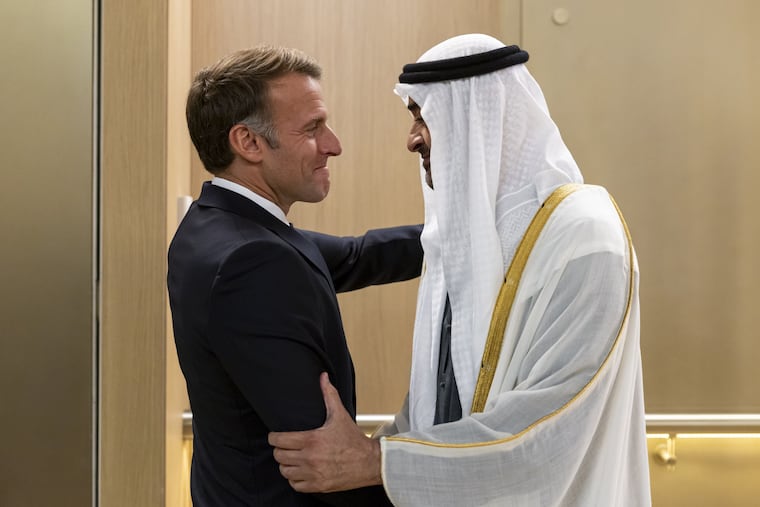
“Being the U.S. ambassador to Canada, housed in Ottawa for almost four years, gave me exposure to the ambassadors from 150 other countries who were also resident in Ottawa, and the conversations I had with those ambassadors were eye-opening for me.”
Diplomats talked not just about America “as a global leader in advancing democratic ideals and democratic principles on a global basis,” but also about their impressions of Philadelphia.
“The number-one topic that I got interest expressed in on a global basis was arts and culture, and in particular, the orchestra and the Art Museum. I didn’t fully appreciate just how respected it was around the world, and I don’t know that Philadelphians fully appreciate that, either.”
Is Cohen the answer to a certain latent civic pride for the arts and culture scene and a city hungry for leadership?
“I thought it was a sector where my skills and my experience and my reputation could help to advance the power and the impact of any organization I became involved in,” he said, “and, ultimately, the sector as a whole.”