Do not discuss this case with anyone, including your fellow jurors, other people involved in the trial, members of your family, friends, or anyone else. Do not speak at all with any of the parties, the witnesses, or the attorneys. Do not permit anyone to discuss the case with you . . . Do not use the Internet to search for information about the parties, witnesses, lawyers, or anyone else associated with the trial . . .
- Sample criminal jury instructions from the 3rd Circuit Court
SO WHAT part of this simple directive did the Twittering Fumo juror not understand?
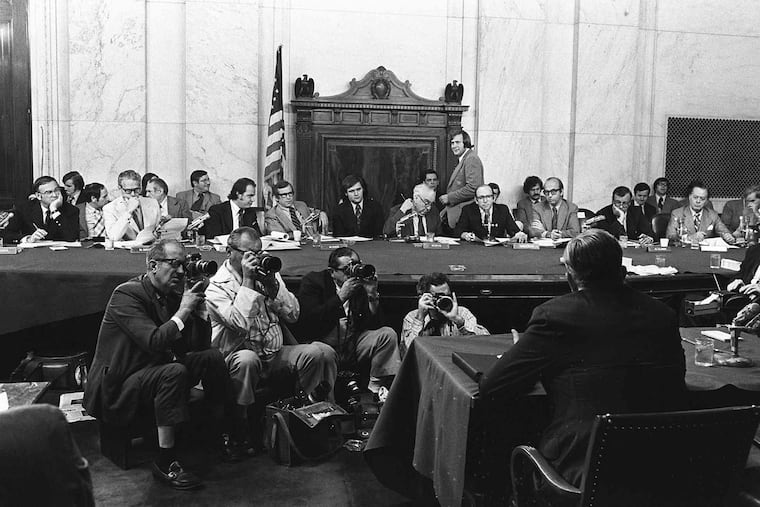
Almost drowning out the reaction to the guilty verdict in the Vince Fumo trial Monday was the news that one of the jurors had been posting internet messages to friends about the status of deliberations on Facebook and Twitter.
U.S. District Court Ronald Buckwater did not declare a mistrial when the news came to light, apparently convinced the juror had not been discussing details of the case itself, but this is still a very disturbing development.
The incident underscores what a mixed blessing technology is. For all its benefits, there are downsides that go well beyond the simple annoyance of a loud cell phone user in the train seat behind you. Whether it's people calling while driving, texting during class, or members of Congress "Tweeting" during the president's speech, this ability to broadcast every thought every minute to every person you know has the same effect: It assumes that all information is equal.
We all know that the Internet has democratized information. What we don't often acknowledge is that this is both good news and bad.
Read a typical twitter post, and it details the most mundane activities, random thoughts, and stray notions that even one's mother might be too bored to keep up with. Posts like "I'm getting on the bus," "I'm bored," are typical. In this context, more weighty matters like "I'm a juror in a serious trial," becomes part of the background noise, no more or less important than the color of the shirt you're wearing that day.
And that's what's disturbing about this incident: A federal trial of an elected state senator is serious indeed.
Serving as a juror is not a reality show or diversion, but a civic responsibility that is critical to society. (How someone who worked in a law firm, as this juror did, not know this is a mystery.)
For one thing, this incident could have led to a costly mistrial. As it is, it will likely be a factor during the appeals process.
The rise of social networking sites and the ability to blog about the minutia of one's day or the detritus of one's passing thoughts has proved to have a strong hold on many people. It's as if in the face of the erosion of individual privacy, people respond by making sure nothing is private.
And it's as if our response to the encroachment of technologly and machines is to try to win the battle and assert our humanness by boring technology to death.
But justice is not a fad, and the principles of ensuring that everyone get a fair trial go back hundreds of years. Technology presents a new challenge - to make make sure they last for another few hundred. *