Adults, what year were you vaccinated for measles? It matters | Expert Opinion
If you know you were vaccinated as a child, you might think that you’re safe. But depending on what year you got the shot, that might not be the case.
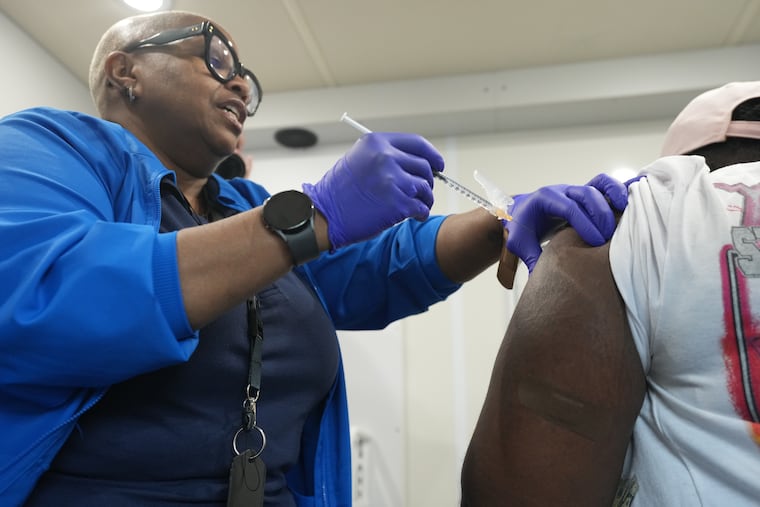
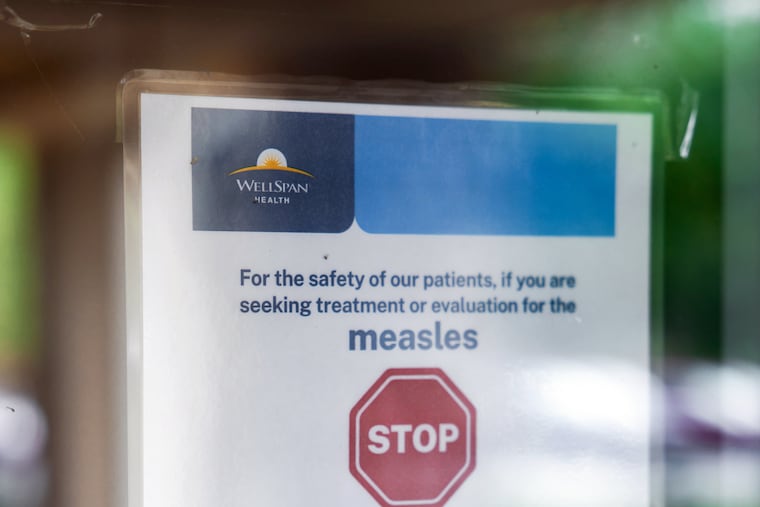
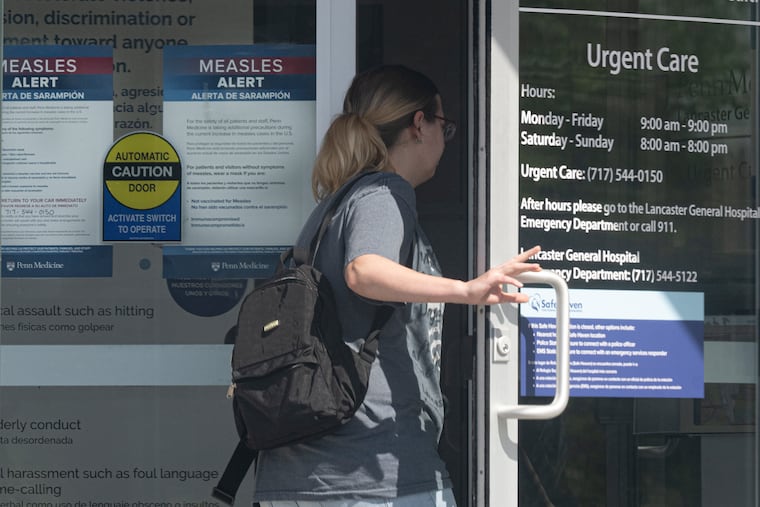
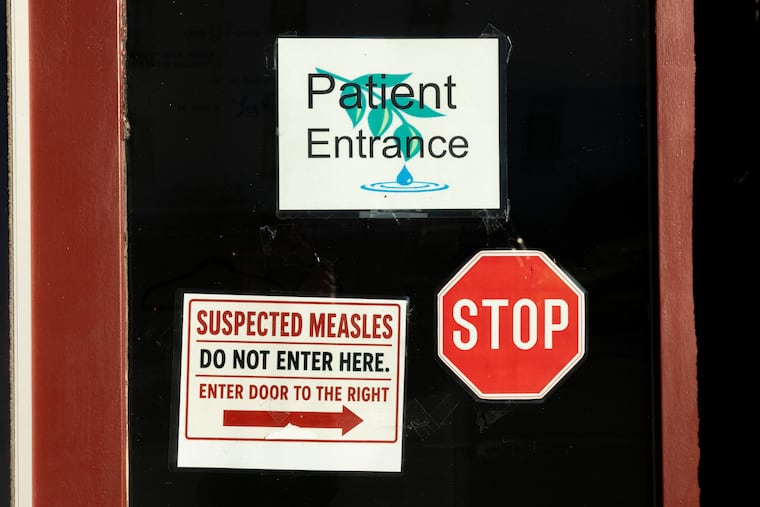
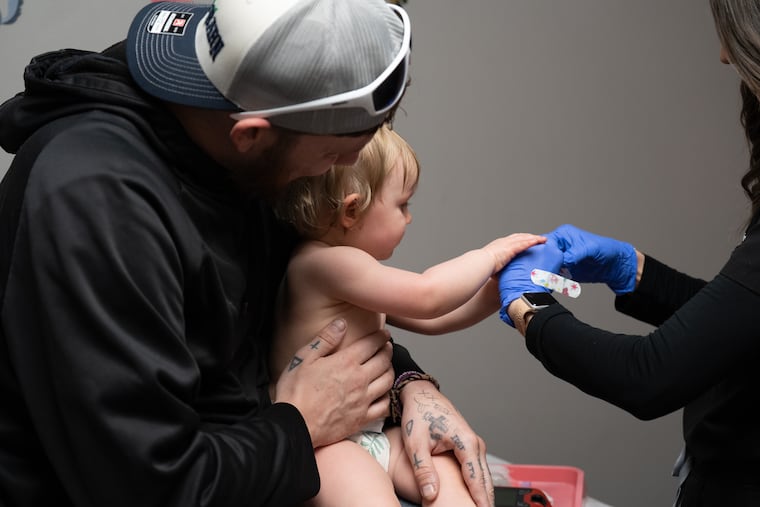
As Pennsylvania confronts the nation’s largest measles outbreak in three decades, much of the effort to stop the spread has rightly focused on vaccinating children.
Before vaccines were widely available, the highly contagious virus sickened half a million Americans each year. Nearly every kid got the disease by age 15, mostly by age 6, with about 500 deaths annually.
The current outbreak shows the impact of rising vaccine hesitancy: Just one-third of the measles cases in Pennsylvania in this outbreak have been reported in children under 18. Adults account for the rest, and most were never vaccinated.
If you know you were vaccinated as a child, you might think that you’re safe. But depending on what year you got the shot, that might not be the case. The vaccine distributed decades ago was effective, but still not as protective as the modern one offered today. You may need an update.
» READ MORE: Politics and misinformation shadowed the measles response in Pa. The fix won't be easy.
Measles is the most contagious disease known to humans. It can cause pneumonia, brain swelling, and even death. Measles in adults can look and feel like a severe, intense infection, starting with a high fever and coldlike signs before the distinct blotchy rash emerges.
Adults are more likely than children to have existing health conditions, such as heart disease, diabetes, or cancer, that put them at greater risk of serious complications and make it harder to recover. Adults who live in settings like nursing homes where infections can spread easily — similarly with college kids in dorms — are also at greater risk.
We are also seeing more cases of congenital measles — when a fetus catches the virus while in the womb, due to an infection during pregnancy.
As a vaccine public health researcher with nearly three decades of experience, I know that the time frame in which you were vaccinated really matters.
Since 1989, all vaccinated children have gotten two shots of the combination measles-mumps-rubella (MMR) vaccine. But if you were vaccinated as a child before 1989, you may need to talk to your primary care provider about reupping.
Here’s what you need to know about the timeline for measles immunity and vaccine protection:
If you were born before 1957 (are 70 years or older), you are considered to have natural immunity, according to the Centers for Disease Control and Prevention cutoff, and automatically presumed to be immune because the virus was previously so widespread. No need to roll up your sleeve.
If you were born from 1957 to 1962, your doctor may order a blood test to see if you have protective antibodies for measles. If not, you are recommended to get a shot.
The first measles vaccines were introduced in 1963. If you were vaccinated between 1963 and 1967, one of the vaccines used was effective but provided short-term protection. Consult with your doctor to see if you should reup.
If you were vaccinated between 1968 and 1989, doctors offered an improved measles vaccine that provided long-term immunity with a single shot. A second shot of this improved vaccine became standard in 1989, bringing it from 93% to 97% effective. So, if you were vaccinated in these years and don’t believe you got two shots, especially if you are in an outbreak area, or are immune compromised, your doctor might have you get another.
If you are a healthcare worker, college student, or planning a trip abroad, you should get two doses, because you are more at risk. This shot is a combined MMR vaccine, because we don’t make the measles-only vaccine anymore.
Measles spreads quickly and easily. The virus can remain active and infectious in the air, or on contaminated surfaces, for up to two hours. If you are around someone who has it, you’ll probably get it if you are not vaccinated.
There is a small chance people who are fully vaccinated may get measles if exposed. These so-called breakthrough cases tend to be less severe than in unvaccinated people, so getting vaccinated remains the best course.
Message your doctor if you think you might need another dose; tell your friends and neighbors to get checked out themselves; and swing by your local pharmacy and get a measles booster if you need one.
Even if it turns out you were already immune, an extra shot of measles prevention is safe.
Angela Shen is an associate professor at the Perelman School of Medicine and a senior fellow at the Leonard Davis Institute of Health Economics at the University of Pennsylvania.