Lockheed Martin wants to build a new machine shop in King of Prussia. But it won’t say what it’s for.
The weapons and aerospace company, a major Defense Department contractor, submitted plans for the 73,000-square-foot building to Montgomery County in September.
Lockheed Martin Corp. wants to build a new machine shop in Upper Merion Township, but neither the company nor the government will say what will be produced there.
The weapons and aerospace company, a major Defense Department contractor, submitted plans for the 73,000-square-foot building to Montgomery County in September, and the township is set to consider the proposal in December. Some of the parking details are public, but Upper Merion officials denied a records request for the building plans, citing public safety exemptions.
Lockheed Martin directed questions about what the building will be used for to the Defense Department, which referred the questions back to Lockheed Martin.
What is Lockheed building in Upper Merion?
The new machine shop and chemical process line would be part of Lockheed Martin’s 90-acre King of Prussia campus, along with a three-story, 45,000-square-foot parking garage, according to Montgomery County planning documents. If approved, it would bring Lockheed’s total footprint there to 1 million square feet, property records show.
Lockheed plans to adjust two other parking lots, in part because the company decided to end remote work this year, a manager wrote to Upper Merion in September.
“Lockheed Martin is also experiencing growth in terms of our production and test capabilities,” the manager wrote.
The company expects the machine shop to add 40 employees.
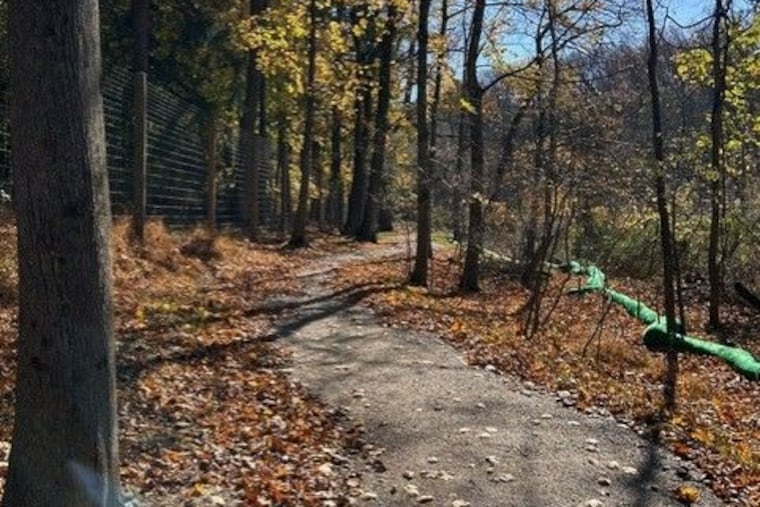
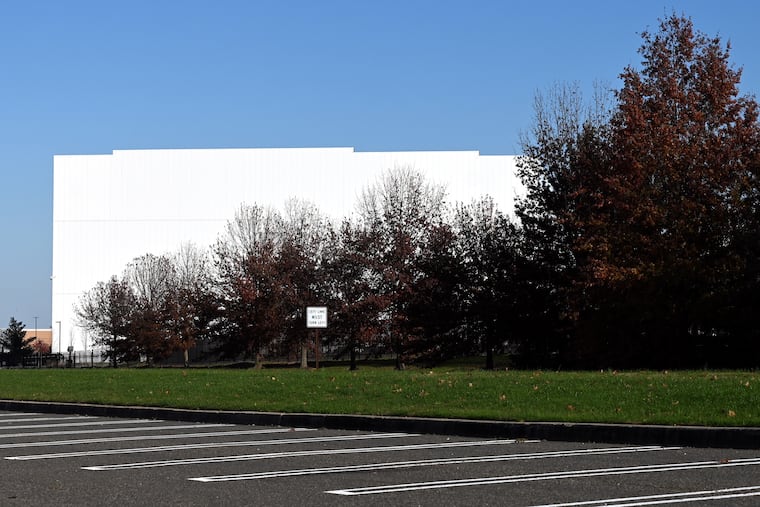
Though Lockheed is across the street from the fourth-largest mall in the United States, it’s difficult to see from public areas. Set on a hill, much of the site is surrounded by trees and fences.
Upper Merion denied a records request for details about the proposal this month under an exemption for a “military, homeland security, national defense, law enforcement or other public safety activity that, if disclosed, would be reasonably likely to jeopardize or threaten public safety or preparedness or public protection activity or a record that is designated classified by an appropriate Federal or State military authority.” The Inquirer has appealed the denial.
Matt Popek, chair of Upper Merion’s planning commission, said officials will share the building proposal with the public before the December meeting.
“We continue to invest in our infrastructure in thriving communities like Valley Forge to stay ahead of ready relative to warfighter demands,” Lockheed spokesperson Adam Smith said.
This would be the second major development at the King of Prussia campus in five years, according to county planning records.
Lockheed Martin recently built a 55,000-square-foot laboratory. Upper Merion granted a height waiver for the building, which is more than 90 feet tall.
What does Lockheed Martin do in King of Prussia?
Although the purpose of the proposed facility is unclear, King of Prussia staff have played a significant role in more than a dozen Defense Department contracts awarded to Lockheed in the past five years, according to public contract information.
Since 2023, the Air Force has awarded contracts worth more than $1.4 billion to Lockheed’s King of Prussia and Utah sites to update the cone-shaped vehicles that take nuclear weapons in and out of the Earth’s atmosphere, according to Defense Department contract award postings. Lockheed and the Air Force tested a new version of the reentry vehicle over the Pacific Ocean earlier this month, the company announced.
The contracts are part of an Air Force project aiming to create a more accurate and deadly nuclear weapons system before 2036, according to a Pentagon budget document.
The King of Prussia site is also involved in several software projects, including for Army artificial intelligence and missiles for foreign militaries.
Staff photographer Tom Gralish contributed to this story.
This suburban content is produced with support from the Leslie Miller and Richard Worley Foundation and The Lenfest Institute for Journalism. Editorial content is created independently of the project donors. Gifts to support The Inquirer’s high-impact journalism can be made at inquirer.com/donate. A list of Lenfest Institute donors can be found at lenfestinstitute.org/supporters.