States and cities sue over Trump’s policy to restrict green cards
The suit argues that the policy would hurt immigrant families by forcing them to either turn away from public assistance programs to meet basic needs or risk being denied green cards in the future.
WASHINGTON — A coalition of states and local governments sued the Trump administration Monday over what they called a “catastrophic” new policy that would make it harder for immigrants to obtain green cards if they rely on public benefits.
The challenge, brought by two separate lawsuits, aims to block a policy set to take effect Friday. The suit filed by 22 states, including Pennsylvania, and the District of Columbia argues that the policy would hurt immigrant families by forcing them to either turn away from public assistance programs to meet their basic needs or risk being denied green cards in the future.
It also argues it would harm states and localities by straining emergency rooms and reducing participation in food stamps, which would drain money from local businesses that depend on the federal benefits.
“Hardworking families should not be forced to go without the support they need because they fear asking for assistance will get them deported,” Letitia James, the Democratic attorney general of New York who led the suit, said in a statement.
Trump officials have said the policy, known as the “public charge” rule, is necessary to protect public resources and to restore “the basic principle that immigrants must be able to support themselves.” The effort is a revival of a similar policy the administration tried to impose during President Donald Trump’s first term before it was met with legal challenges and later reversed by the Biden administration.
The policy is part of the administration’s broader effort to crack down on both legal and illegal immigration. Before the midterm elections, the Department of Homeland Security has tried to carry out its deportation campaign using quieter methods, including by pressuring noncitizens to leave the country by squeezing their access to jobs and federal programs.
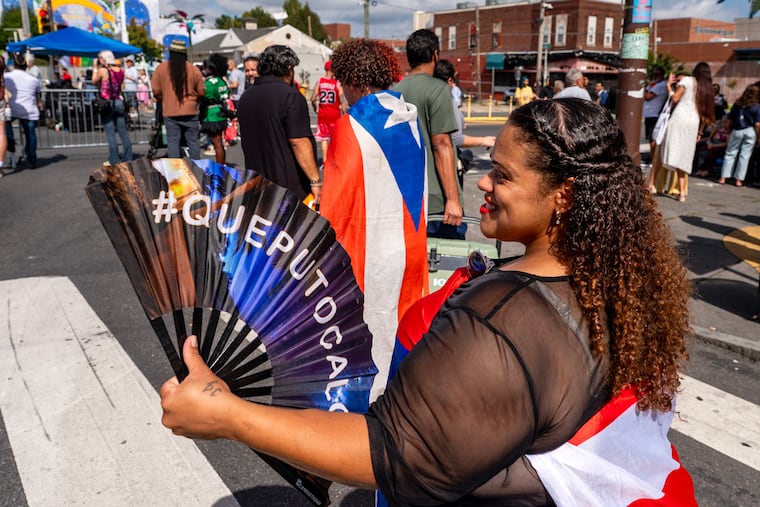
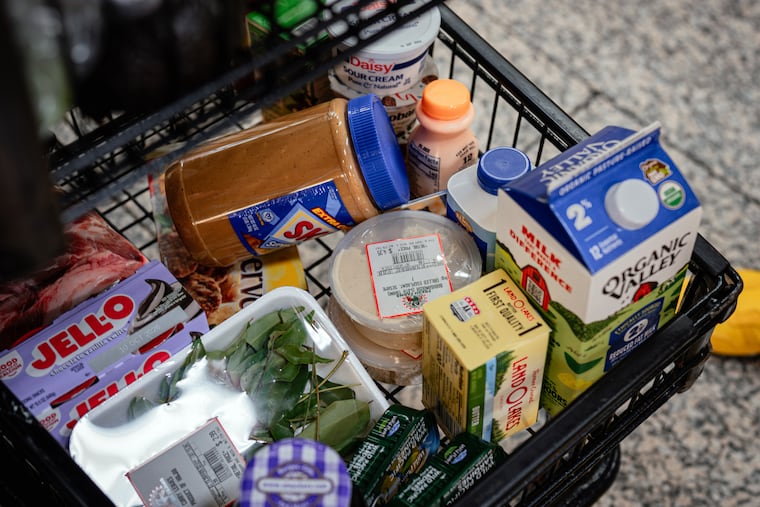
Many immigrants who do not have green cards are already ineligible for public benefits programs. But immigrant advocates fear that the rule would discourage noncitizens from using benefits programs even if they have U.S. citizen children who are legally eligible for food stamps, housing aid, and other programs.
In Philadelphia and throughout the region, the rule, though not yet official, is nevertheless having a chilling effect, frightening parents who are legal immigrants into avoiding public benefits for their children, say advocates who work with immigrants and low-income communities.
“It could prevent families from going to food cupboards, or keep women from accessing domestic violence shelters. The effect will be broad,” said Maripat Pileggi, an attorney with Community Legal Services in Center City.
Federal law has long barred immigrants from obtaining green cards if they are likely to become primarily dependent on the government for subsistence. Immigration officers have historically considered the use of cash assistance programs or institutionalized long-term care, but not the use of benefits like the Supplemental Nutrition Assistance Program or Medicaid.
The Trump administration’s policy would reverse the long-standing practice, expanding the federal programs that immigration officers can consider before determining that someone is likely to become reliant on the federal government.
The states’ suit was brought by New York, California, Illinois, Colorado, Connecticut, Delaware, Hawaii, Maine, Maryland, Massachusetts, Michigan, Minnesota, New Jersey, New Mexico, Nevada, Oregon, Pennsylvania, Rhode Island, Vermont, Virginia, Washington, Wisconsin, and the District of Columbia.
The second suit was led by Mayor Zohran Mamdani of New York and joined by Chicago, San Francisco, Seattle, Santa Clara County in California, and King County in Washington.
Staff writer Alfred Lugano contributed to this article.
This article originally appeared in the New York Times.