It’s time med school deans start talking about RFK Jr.
Are the deans of American medical schools alarmed? I know they are. So why haven’t more spoken out — and why hasn’t American academic medicine spoken with anything approaching a unified voice?
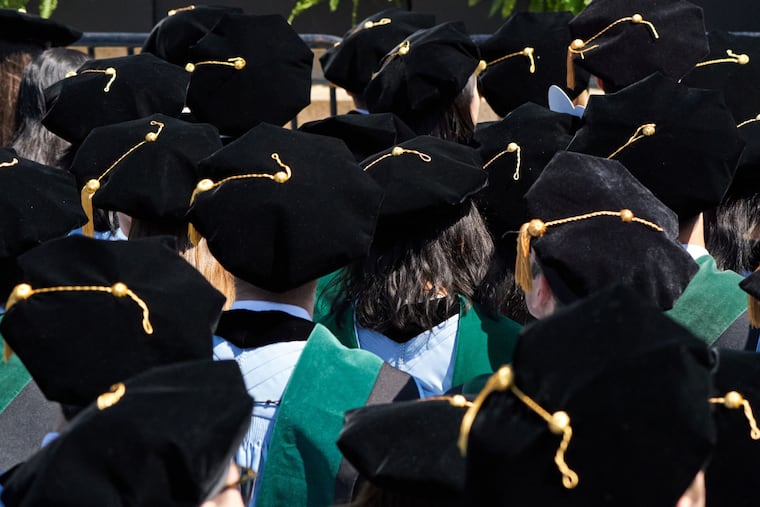
Few positions carry more authority in American medicine than that of medical school dean. They don’t just shape curriculums; they shape how medicine is practiced. They don’t just oversee students; they oversee massive clinical enterprises, set research agendas, and manage budgets of hundreds of millions of dollars. Almost all had illustrious careers as researchers or clinicians, and they are among the most authoritative voices in medicine.
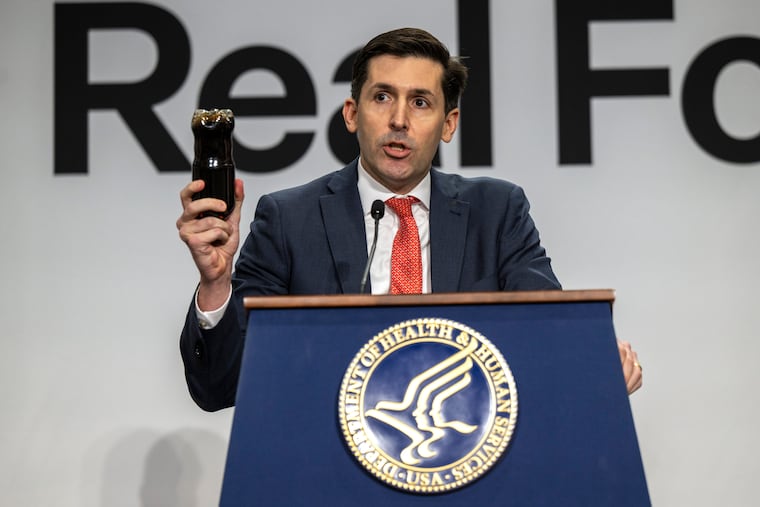
Yet, as Robert F. Kennedy Jr. methodically undermines our government’s commitment to science and public health, the voices of medical school deans are barely audible. For all the statements individual physicians and medical professional societies have issued defending vaccines and denouncing RFK Jr., it is striking how few sitting medical school deans have publicly called the health secretary out by name.
When RFK Jr. was nominated to head the U.S. Department of Health and Human Services in November 2024, my colleagues and I were shocked. We started petitions, called our representatives, wrote op-eds. But we knew we were just individuals. So we waited for our leaders to lead the fight against his nomination.
Personally, I envisioned a news conference in which the deans of America’s 200-plus medical schools would stand together — arms linked — and state their position on RFK Jr’s nomination clearly: “An anti-vax conspiracy theorist as HHS secretary? Over our cold dead bodies.”
Of course, that news conference never happened.
A year and a half later, the consequences of RFK Jr.’s appointment — including eroding public confidence in vaccines — are getting harder to ignore. Measles cases are surging, with 460 confirmed cases in Pennsylvania this year and 83 hospitalizations. Nationwide, annual cases of measles are at their highest number in 30 years — and it’s only September.
Meanwhile, the vaccination rates against measles at Philadelphia schools are dropping to dangerously low levels, with 98 Philadelphia-area schools reporting vaccination rates below 90% — well below the 95% needed to provide herd immunity for those too young or too sick to be immunized. But measles is just the canary in the coal mine. When vaccination rates fall far enough to allow measles to regain a foothold, it is a warning that a resurgence in other preventable childhood diseases may not be far behind.
Are the deans of American medical schools alarmed? I know they are. So why haven’t more spoken out — and why hasn’t American academic medicine spoken with anything approaching a unified voice?
The answer, I suspect, is fear. Academic medical centers, after all, depend on federal funding, and leaders of medical schools have employees to protect, clinical operations to run, and institutions that can be damaged by federal retaliation. Their boards of trustees no doubt counsel them to stay out of the fray. Support vaccination? Sure. Defend science? Of course. Mention RFK Jr. by name? That seems to be where the line is drawn.
So while American medical schools — and their leaders — have accumulated enormous cultural capital, they seem reluctant to spend it when it matters most. And for institutions that have been criticized for being overly focused on their multibillion-dollar hospital systems and lucrative industry partnerships, that timidity risks tarnishing the very reputation they have spent decades building.
Perhaps keeping their heads down and waiting for all this to blow over is the prudent strategy. Just a few more years, the thinking goes, until the political winds change, order is restored, and we go back to the way things were before.
But maybe not.
Because increasingly, silence feels like assent. And once we normalize government health officials contradicting established scientific evidence, it may be difficult to put the genie back in the bottle.
So let me make a plea. The next time you are horrified by something outrageous RFK Jr. says or does — don’t call your local member of Congress. Call your local medical school dean. Tell them you know a dean who speaks out alone may risk retaliation, but a hundred deans speaking together cannot be dismissed.
Remind them that the levers of power do not only reside in Washington, D.C. They exist throughout civil society, and that medical deans are far more influential than they may appreciate.
Tell them there is still time to hold that news conference.
David Oxman is a critical care physician and member of the Committee to Protect Healthcare.