DN Editorial: What comes after SRC?
Talk of ending it abounds; its repalcement must have teeth.

THE IDEA OF abolishing the School Reform Commission and replacing it with an elected board has recently dominated the conversation about Philadelphia's schools. Most local politicians, the teachers union and even Democratic candidate for governor Tom Wolf favor returning the schools to local control after almost 13 years of state oversight.
Whether it happens remains to be seen. The SRC was created by state law and it will take a change in state law to undo it. Presumably that debate can begin next year after the new governor and Legislature are sworn in.
Before we get to that point, it's worth thinking about the idea and its implications.
There are three important questions about an elected board that will have to be decided, and they will determine whether it is a step forward or a step back.
Important question No. 1: Will it have taxing power?
The SRC does not, nor did its predecessor, a local board appointed by the mayor. All other elected school boards in the state do have taxing power. Those districts get most of their local money from property taxes and the school boards set the rate.
Whether an elected board will have the same powers is key. On one hand, it would give the board the ability to raise the money it needs to operate the schools. No more begging the state or going hat in hand to the Mayor's Office.
The district has many sources of money, but the three main local taxes that feed its budget are the property tax (it gets 55 percent and the city 45 percent); the Use and Occupancy tax, which is a tax paid by tenants and owners of commercial buildings; and a 10 percent across-the-bar drink tax.
If an elected board had the right to raise money by raising the rates on these taxes, the schools would not have faced a $200 million shortfall this year.
On the other hand, the mayor and City Council are unlikely to want to rush and give up their right to control taxation. The same council members who favor an elected board to bring power to the people may not want those people to have taxing power.
An elected board without the right to tax wouldn't be powerless, but it would not change the current fiscal situation in any significant way. The state and city would still control the district's purse strings. (It's also worth noting that before state takeover, the schools were run by a local board - and deficits ruled the day.)
Important question No. 2: How will the members be elected?
A citywide election is one way to do it. An election by district is another. Like Council, an elected board can have a mix of district and at-large seats.
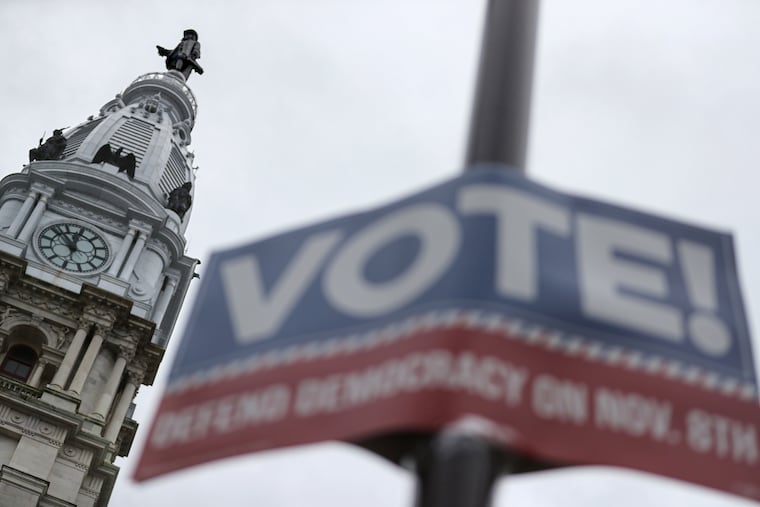
Holding elections assures that the board will be part of the political process, which can lead to more accountability. If the board consists of members from districts it will give neighborhoods a voice on the board.
On the other hand, it is also likely that candidates will be vetted and approved by the Democratic Party organization - unless a candidate can raise enough money to run independently.
When we elect judges, few voters know who is running and factors like ballot position and the party endorsement rule the day. The same could end up being true of an elected school board, with members beholden to the ward leaders who were their sponsors.
Now, important question No. 3: Is this progress?