Lula wins Brazil’s presidency in stunning blow to Latin America’s right
The rejection by voters of Flavio Bolsonaro, son of a former president jailed for attempting a coup four years ago, is also a loss for President Donald Trump, who had embraced the Bolsonaro family.
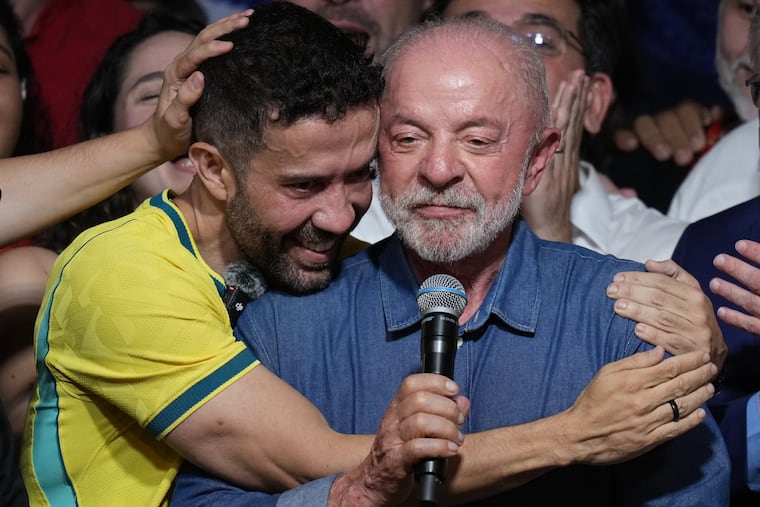
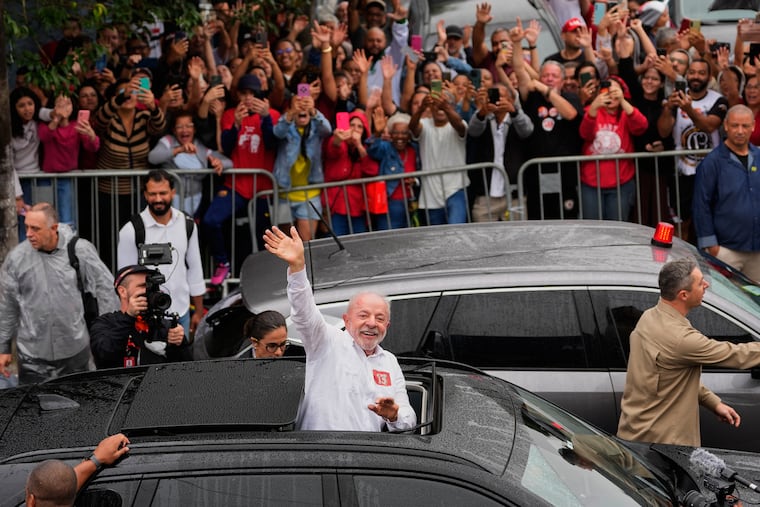
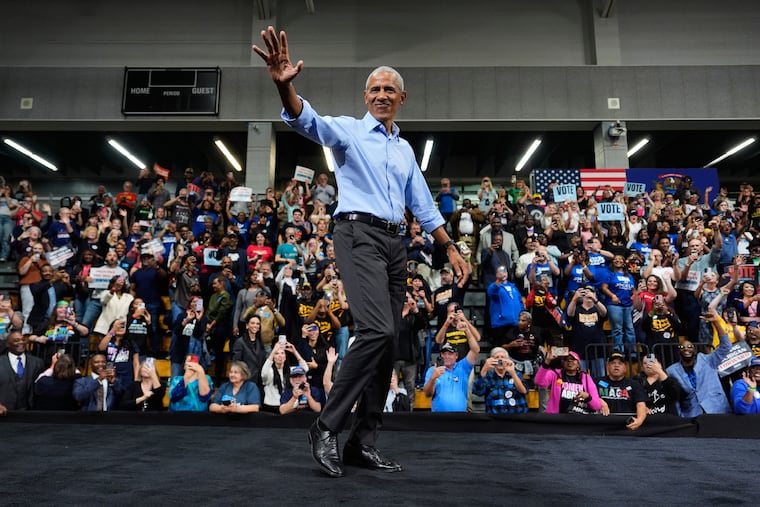
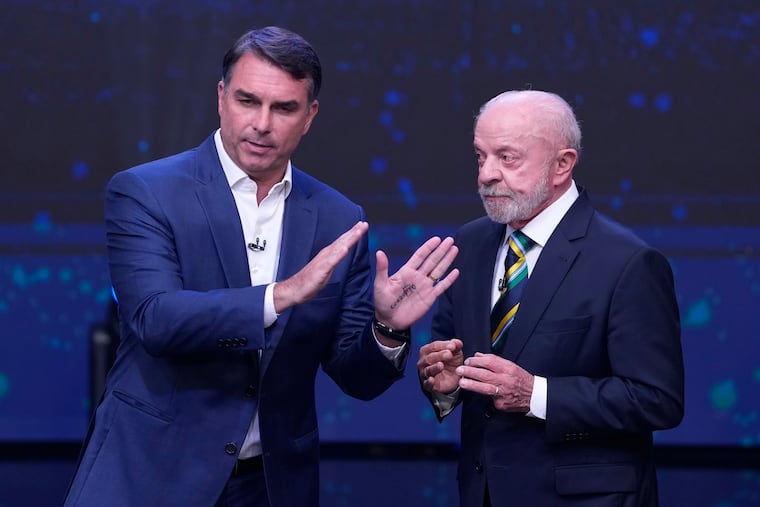
Brazilian voters on Sunday handed the leftist president, Luiz Inácio Lula da Silva, a fourth term in office and a surprise victory over Flávio Bolsonaro, his right-wing challenger, in a striking rebuke to a conservative surge sweeping Latin America.
Bolsonaro refused to accept the outcome and said it was the result of foul play, increasing the risk of unrest over the election result.
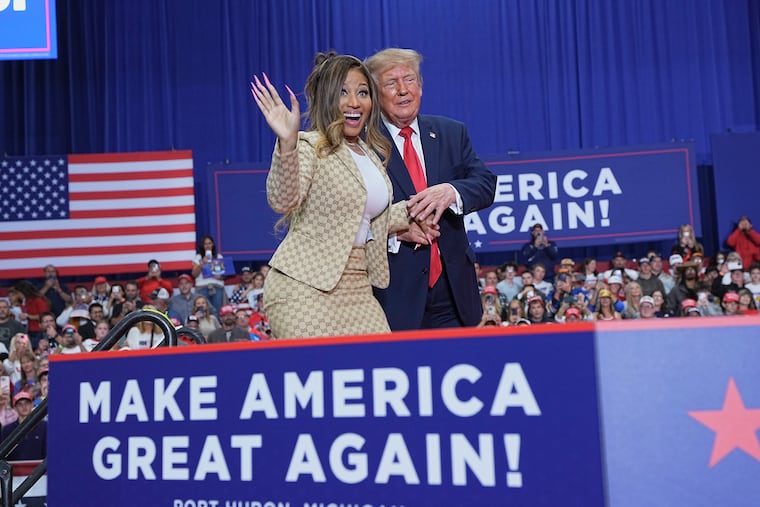
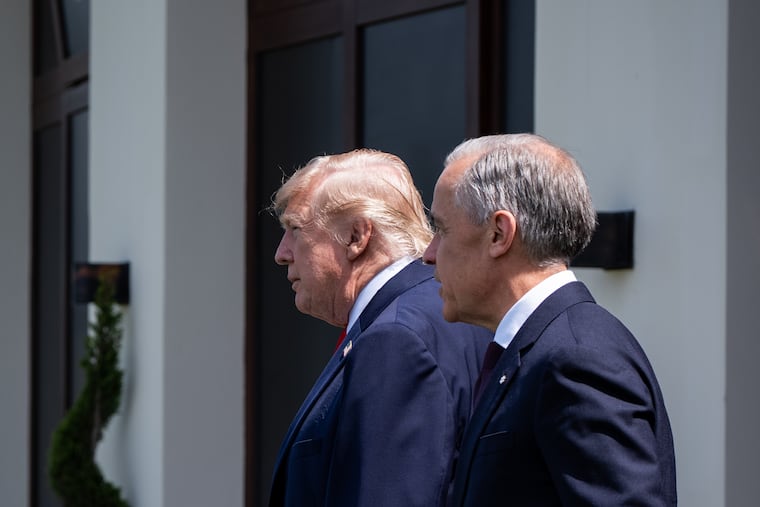
The rejection by voters of Bolsonaro, the son of a former president jailed for attempting a coup four years ago, is also a loss for President Donald Trump, who had embraced the Bolsonaro family and the region’s rising right.
Lula, in contrast to many world leaders, has often and defiantly clashed with Trump, and his victory highlights that Latin America’s left-wing forces still wield influence despite a string of losses across the hemisphere. This is the first leftist victory following seven straight wins by right-wing leaders in the region over the last 18 months.
“I would like to thank the Brazilian people for the generosity they have shown me for a long time,” Lula said during a victory speech in São Paulo, flanked by his wife, running mate, and allies.
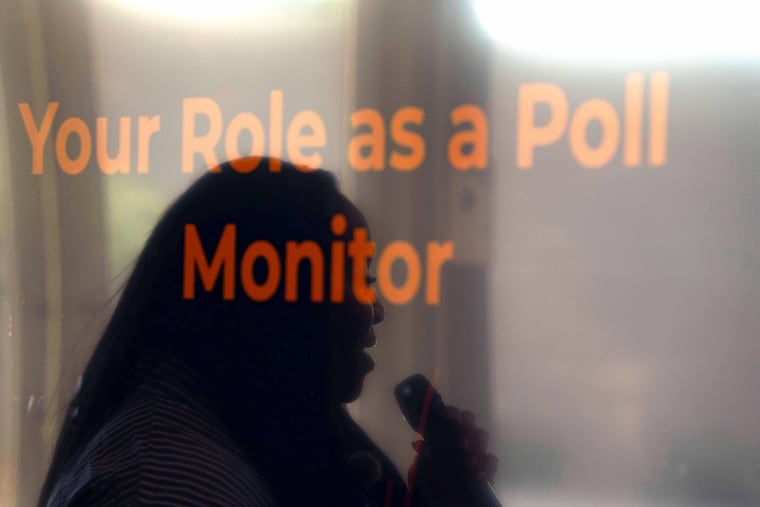
The result capped a chaotic final stretch of the race, as polling places were ordered to remain open after public transportation delays and torrential rains disrupted voting. The extended polling hours, which both candidates asked for but came right as voting was set to conclude, opened up the possibility that the results would be disputed.
Bolsonaro called an order by Brazil’s judiciary to extend voting a “dirty trick” and demanded the election be annulled.
“There’s a lot that needs to be cleared up before Brazil simply accepts this foul play that took place in these elections,” he said during a news conference in Brasília, the capital.
The Associated Press reported that Trump suggested on Monday, without providing evidence, that Lula’s reelection was “rigged.”
“Elections have to be indisputable and it looked very bad to me,” Trump told reporters before flying to Mississippi for a rally. He added, “I thought it had a very bad look, the way it was tabulated.”
Trump also said: “It looked like another rigged election, frankly.”
Bolsonaro’s party will now likely petition electoral authorities for a review of the result.
Since Brazil’s return to democracy, no presidential election has ever been annulled. In 2014, the losing party requested an audit, but that review found no evidence of fraud and the results were upheld.
In 2022, Bolsonaro’s Liberal Party similarly challenged his father’s loss in the election, but the court ultimately fined the party more than $4 million for failing to provide evidence to support its allegations.
Among Bolsonaro’s supporters on Sunday, the sentiment was one of sadness and indignation. “We know we’ve been robbed again,” said Valéria Maria de Melo, 49, a homemaker, bursting into tears.
Lula headed into Sunday’s vote as the underdog after finishing 2 percentage points behind his opponent in the first round of voting earlier this month.
But on Sunday, Lula achieved a stunning comeback, winning 51.8% of the vote versus 48.2% for Bolsonaro, with nearly all the ballots counted.
Lula’s margin of victory Sunday was roughly double the margin four years ago when he narrowly defeated Bolsonaro’s father. It was the first time in Brazil’s history that a candidate who lost the first round of voting came back to win the second.
Lula’s victory was even more surprising given that several of the candidates who failed to make it out of the first round were conservatives whose votes were expected to broadly shift to Bolsonaro.
Lula, speaking at a hotel surrounded by cheering allies and supporters, thanked those who had voted for him. In an indirect swipe at Trump, he said the mass rallies in Brazilian cities in the days leading up to the vote were “a demonstration that this country refuses to be anyone’s backyard.”
“I want to thank the generosity of the Brazilian youth, who took to the streets to defend democracy,” he added.
The results showed that far more voters had turned up to cast a ballot Sunday than in the earlier round, a highly unusual shift. Typically, the number of voters drops from the first round to the second. In total, more than 128 million Brazilians voted Sunday, compared with 125 million in the first round.
An intense social media campaign that included a wildly popular channel on WhatsApp, a platform long dominated by Bolsonaro’s right-wing movement, played a major role in mobilizing Lula’s supporters in the final stretch of the race.
As he celebrated in Rio de Janeiro, Fernando Porto said he and his friends never gave up hope as they took to social media and to the streets to rally support for Lula over the last three weeks. “This comeback was truly incredible,” said Porto, 24, a psychology student.
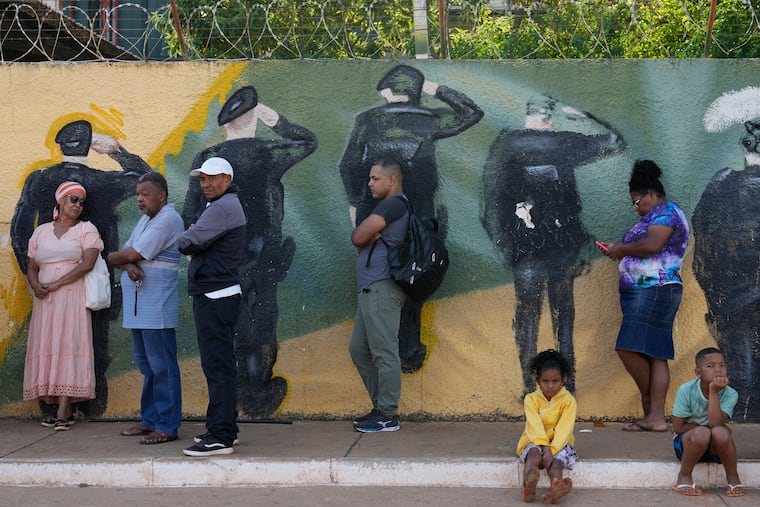
In São Paulo, a massive celebration that had already erupted long before the results came grew quickly with news of Lula’s victory. Supporters of the president broke down in tears of disbelief and set off fireworks, while cars honked in a deafening chorus of horns.
Lula’s comeback win capped a roller-coaster career for the president that has traversed soaring popularity, scandal, and prison, and now an election that deeply divided Brazil, forcing voters to choose between two starkly different visions for the future of Latin America’s largest nation.
A stalwart of Brazilian politics, Lula lifted millions out of poverty through social programs in earlier years as president, though his popularity waned in his third term as he failed to address anxieties over crime and the economy.
His political legacy has also been tarnished by links to corruption scandals, including a new one unfolding on his watch that has implicated much of Brazil’s political and judicial elite, including Bolsonaro himself.
Yet Sunday’s narrow tally makes clear that Lula, 80, faces a daunting task: leading a polarized nation plagued by a spiraling debt crisis, high grocery prices, and growing fears about organized crime. And Lula is bound to face resistance at every turn, after voters elected an overwhelming number of Bolsonaro’s political allies to the legislature.
And the strong showing of Bolsonaro, 45, highlights that the right-wing leader’s ideas resonate with millions of working-class Brazilians who may have supported Lula in the past, but have become disillusioned with him.
Ultimately, though, a majority of voters appears to have heeded Lula’s warnings about handing power to another Bolsonaro, just four years after former President Jair Bolsonaro orchestrated a plan to hold onto the presidency and inspired supporters to storm Brazil’s halls of power.
Last year, Jair Bolsonaro was sentenced to 27 years in prison for trying to stage a coup after the 2022 election, in a plot that included plans to assassinate Lula, Lula’s running mate, and a Supreme Court justice.
Flávio Bolsonaro had said he planned to seek amnesty for his father and the rioters, impeach the Supreme Court justice who oversaw their jailing, and change the nation’s constitution.
Lula’s resounding win Sunday signals that the majority of Brazilians want to protect their democracy, said Christian Lynch, a political scientist at the State University of Rio de Janeiro.
“People here realized they don’t want to surrender democracy,” he said. “It was a big surprise.”
Lula’s win will most likely complicate Trump’s plans for dominance in the region: The Brazilian leader has repeatedly defied Trump over issues such as trade, social media and the treatment of the Bolsonaros.
While Trump had not formally endorsed Bolsonaro, his administration had appeared willing to help him in other ways, such as by labeling Brazil’s largest drug gangs as terror groups. Last year, Trump also tried, and failed, to help Bolsonaro’s father avoid jail by hitting Brazil with tariffs and sanctions.
Turning Brazilian sovereignty into a rallying cry, Lula repeatedly urged voters to reject Flávio Bolsonaro, painting him as a puppet of the United States.
Sunday’s result signaled that many Brazilians had rejected Bolsonaro’s cozy ties with the United States.
Despite Lula’s disagreements with Trump, Brazil’s economy was largely unscathed by U.S. tariffs during his third term, and unemployment dropped to record-low rates. But rising food prices and mounting household debt have weighed heavily on Lula’s approval ratings.
Many Brazilians are also eager to see if Lula makes good on his promises for a judicial overhaul amid a crisis of confidence in Brazil’s top court. The next president will have unusually broad power to shape the court, which has 11 members, by filling up to four seats freed by justices reaching the mandatory retirement age.
“Most people want change,” said Thomas Traumann, a political analyst and press secretary for a former leftist Brazilian president, “but not the Bolsonaro change.”
This article originally appeared in the New York Times.