Trump has repeatedly promised payments that have yet to materialize
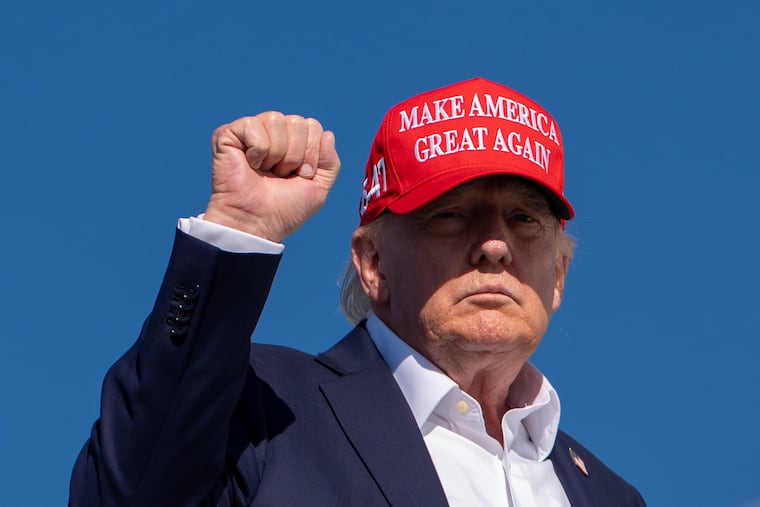
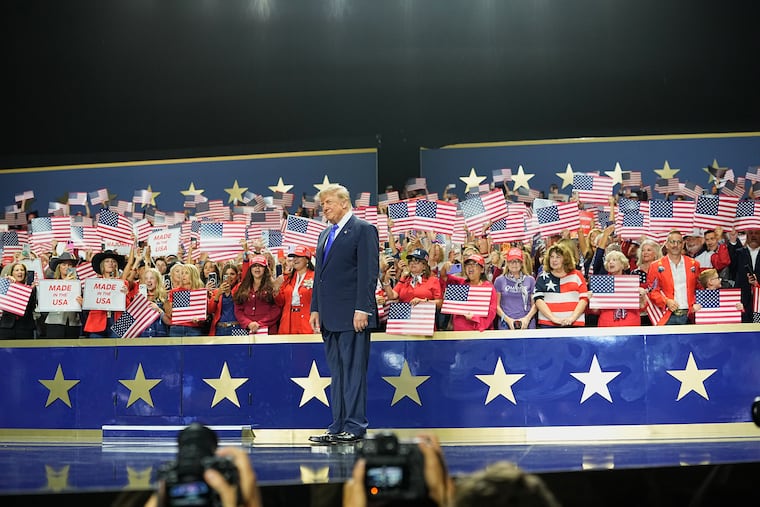
At the Republican midterm convention in Dallas on Wednesday, the president pledged that every American adult would receive $5,000 if Republicans retain control of Congress in November.
First, at the start of his second term, President Donald Trump promised a DOGE dividend, a pledge to take the money that Elon Musk’s team would cut from the federal budget and send it to the American people.
Then Trump moved on to a “tariff refund,” a plan to use the money the government was collecting in import taxes to fund payments for the public.
Those ideas never panned out. Nevertheless, Trump is again talking up the possibility that the federal government will send Americans thousands of dollars in cash. At the Republican midterm convention in Dallas on Wednesday, the president pledged that every American adult would receive $5,000 if Republicans retain control of Congress in November.
Trump did not offer many details about the proposal, but there’s reason to think that Republicans in Congress, like they did with his two previous promises of quick cash, could shrug off the president’s suggestion.
That’s in no small part because the $5,000-per-American promise would be enormously expensive to fulfill, with a price tag over $1 trillion. Its actual cost, though, would depend on what, if any, eligibility requirements Congress would ultimately impose on the plan. Trump did not mention a proposal to finance the $5,000 payments, which beyond their fiscal cost could also prove inflationary.
The conceit of Trump’s other pitches was that the money to pay for them was already available, from Musk’s so-called Department of Government Efficiency or tariff revenue. On both of those fronts, though, the envisioned funding sources proved illusory: Musk’s team did not save the government much money, and the Supreme Court struck down many of Trump’s initial tariffs.
Republicans did succeed in providing Americans with substantial cash payments when they cut taxes last year. Under the design of the tax law, many Americans first experienced the policy change in the spring, when they received larger-than-usual tax refunds. Trump and Republicans have spent much of the year promoting those refunds, hoping that the larger lump-sum payments would be politically resonant before the midterms.
But even after Trump delivered those tax refunds, his approval poll ratings are still sagging.
Those tax cuts were also very expensive, though Republicans did cover some of the fiscal cost by reducing federal spending on healthcare and food assistance for poor Americans.
This article originally appeared in The New York Times.