Lower Merion has issued more than 600 violations from red-light cameras since mid-July
The township has placed the first automated red-light enforcement cameras at the intersection of Lancaster Avenue and Remington Road.
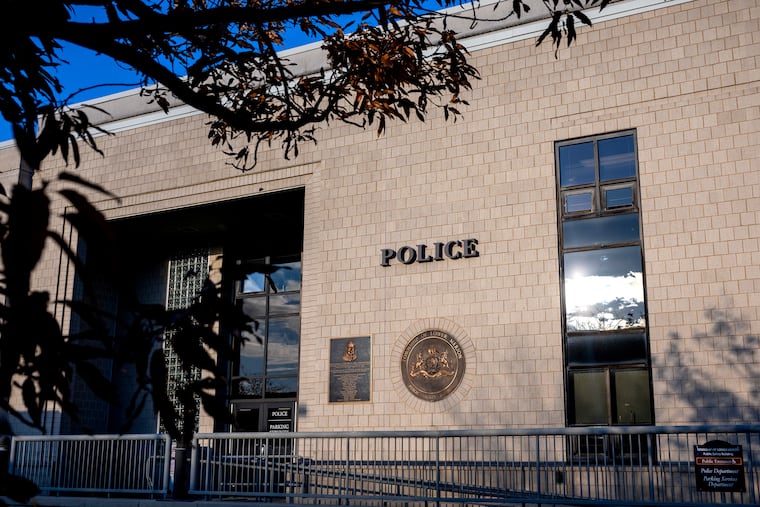
Lower Merion’s automated red-light cameras have captured hundreds of violations since they went into effect last month.
As of Monday, red-light cameras installed at the intersection of Lancaster Avenue and Remington Road had led to 663 citations, according to Andy Block, Lower Merion’s superintendent of police.
The cameras went live on May 13, kicking off a 60-day warning period before the police department began issuing tickets on July 13.
Lower Merion’s cameras capture photos and videos of drivers apparently running red lights. Video and photo evidence is sent to the police department, which reviews each case and determines whether to send a citation to the vehicle’s owner. Red-light violations come with a $100 fine and can be contested at an in-person municipal hearing.
The intersection of Lancaster Avenue and Remington Road was chosen as the first site for the automated red-light enforcement cameras, and officials have said they hope to expand the program to other high-traffic intersections. Other locations being considered for red-light cameras include the intersections of Montgomery Avenue and Airdale Road and of Lancaster Avenue and Haverford Station Road.
» READ MORE: Lower Merion and Narberth want to make Montgomery Avenue safer. Here’s how you can weigh in.
The township has estimated that if cameras are placed at all three high-traffic intersections, around $24 million in annual revenue could be captured initially, with revenue dropping to around $8 million annually as compliance improves.
The township, however, will not collect revenue from the automated red-light tickets. Collected funds will cover administrative costs, with the rest going to a state fund that supports transportation enhancement projects across Pennsylvania. Municipalities that participate in the automated red-light enforcement program receive priority status when applying for transportation grants from the state.
The township has stated that the program is, first and foremost, about traffic safety. Residents have long complained of dangerous conditions for drivers and pedestrians traversing the township’s roads. Nearly 3,800 vehicle crashes were reported in Lower Merion between 2019 and 2023.
Block said in an email that traffic enforcement is a priority for the police department and that using the automated cameras “provides additional safety for our motorists traveling in the township.”
Under the township’s ordinance, the cameras must be used strictly for red-light violations, not general surveillance. Photo and video evidence taken by red-light cameras must be destroyed within 30 days of a violation being settled and cannot be released under Right to Know requests.

Inquirer Lower Merion
This suburban content is produced with support from the Leslie Miller and Richard Worley Foundation and The Lenfest Institute for Journalism. Editorial content is created independently of the project donors. Gifts to support The Inquirer’s high-impact journalism can be made at inquirer.com/donate. A list of Lenfest Institute donors can be found at lenfestinstitute.org/supporters.