A ‘technicolor time capsule’ shows 40 years of vintage Philadelphia | Mike Newall
There’s a dignity there that’s not often granted to the Philadelphia of the second half of the 20th century.
Every Sunday, Mike Newall brings you an inside look at a story defining Philly this week and a preview of what’s coming in the week ahead.
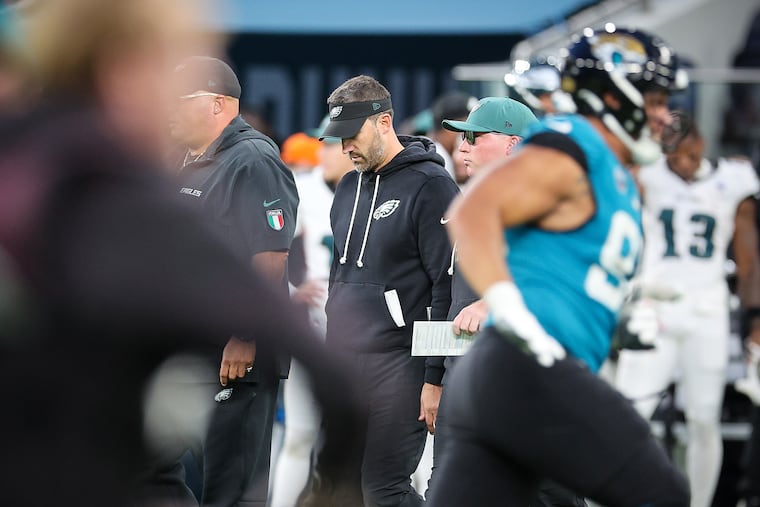
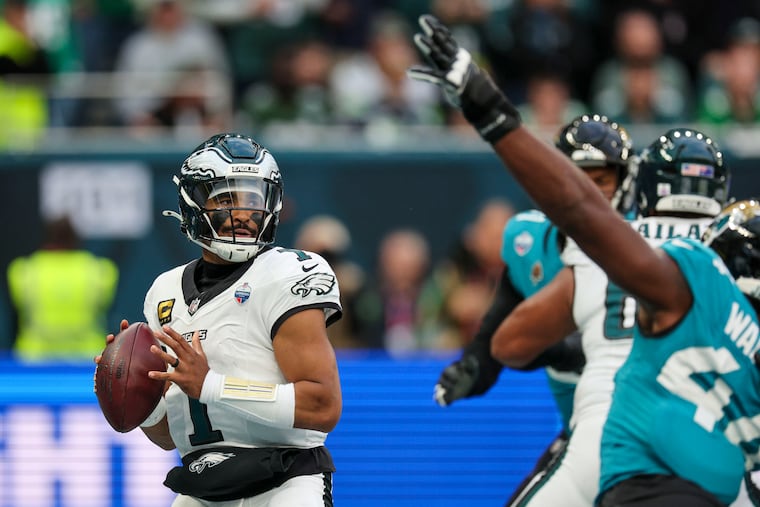
Happy Sunday everyone. The Birds aren’t any better in England. And revolt at the Larry Krasner’s office after high-ranking prosecutors resign amid growing scandal. We’ve got the scoop.
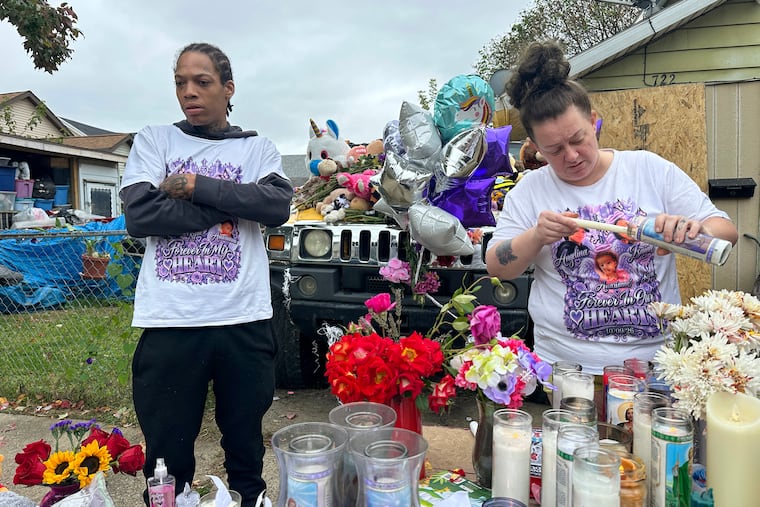
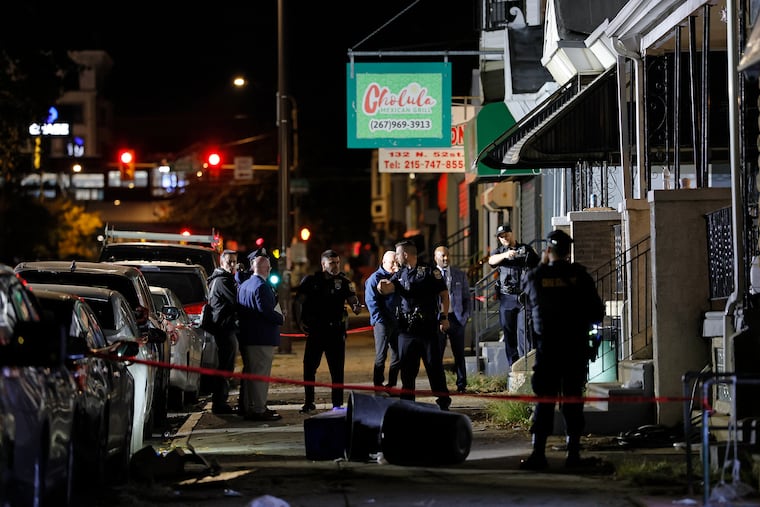
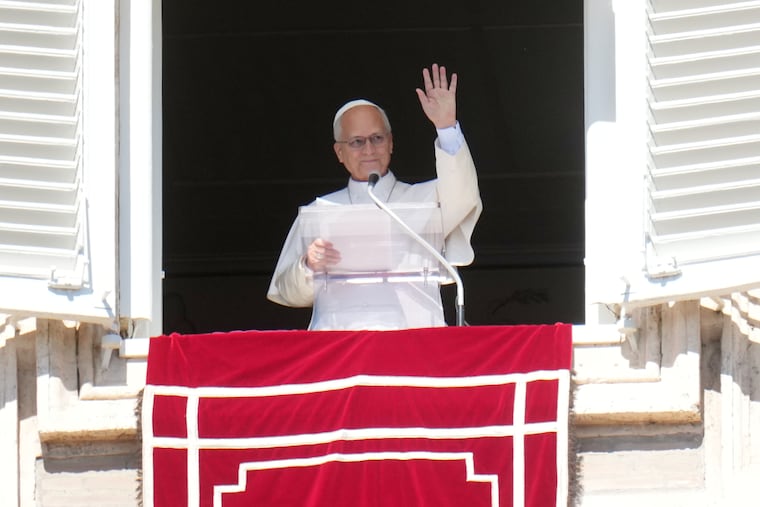
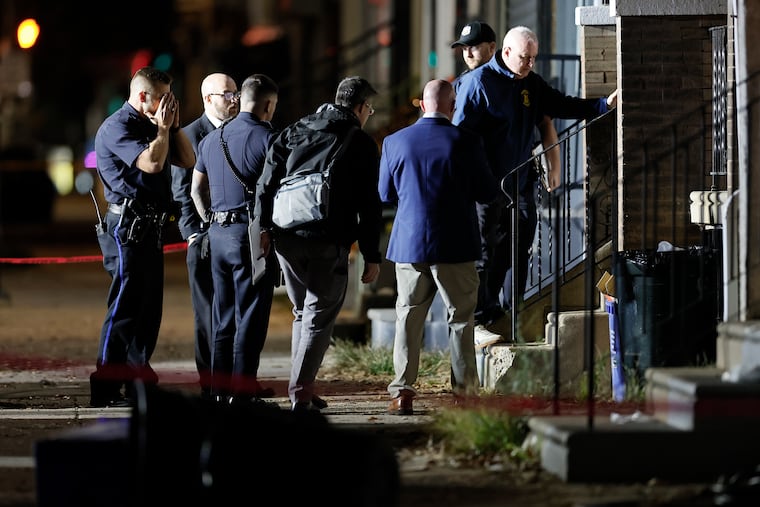
Philadelphia Police Officer Shane Seiber, shot to death in West Philadelphia over the weekend, remembered as “beautiful soul.” Officer Seiber’s death is the department’s fourth in the line of duty in three years.
Pennsylvania has logged 1000 measles cases — the largest outbreak since the 1990s. We’ve got your questions answered.
But let’s start with ghosts.
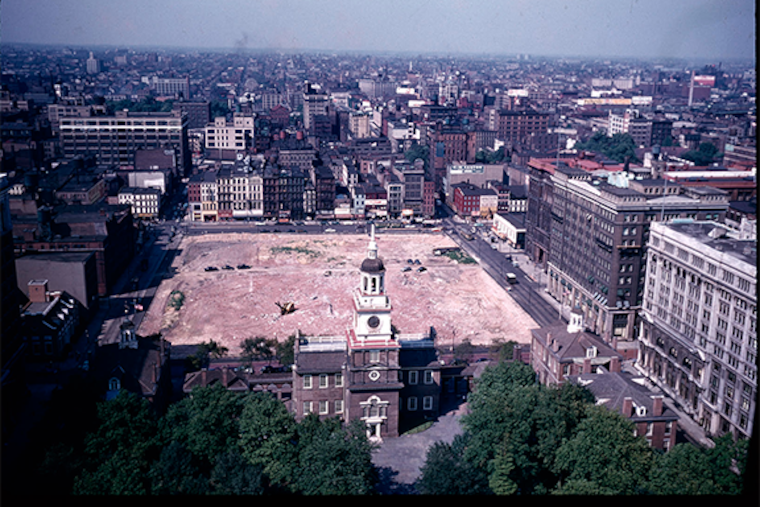
The ghosts of not-so-distant-Philadelphia feel strikingly alive in Hidden City Philadelphia’s new landmark visual history: Philadelphia in Color 1950-1990. Hitting shelves next week, and, amazingly, believed to be the first-ever, comprehensive color photographic history of Philadelphia, the collection features hundreds of rarely-seen street photos, portraits, and family snapshots.
The result is spellbinding. A technicolor time capsule of a vanished but powerfully familiar Philadelphia. A bygone city bursting to life in living color.
A 1951 snapshot of a Gimbels Thanksgiving Parade — the Atomic Age spaceship float and its costumed riders nearly luminous in lush Kodachrome light. A pair of South Philadelphia women proudly posing outside a Mifflin Street rowhouse in 1952, sunlight shining off their Sunday pearls. A Ben Franklin impersonator strolling South Broad, his gold waistcoat sparkling. A young boy and girl, siblings it seems, resting wearily under an Italian Market shopfront one day in 1969.
The book became the obsession of Peter Woodall, Hidden City’s project director, who scoured largely forgotten collections of unsung Philly street photographers, hobbyists, and archivists. He scrolled eBay, Etsy, and Flickr.
The photos he collected of neighborhood parades, horse-drawn delivery trucks, street corner scenes all had one thing in common: There’s a dignity there that’s not often granted to that era of Philadelphia.
The aim was to tell a fuller, more beautiful story of that time.
In color, the faces seem more recognizable, the places more immediate.
“The first thing I see is ourselves looking back at us. I see this beautiful range of people who have an incredible amount of style. Who take themselves seriously. Who don’t put up with s—,” said Nathaniel Popkin, author and urban historian, and co-founder of Hidden City Philadlephia.
The folks at Hidden City have achieved their goal: The story they tell is beautiful. It’s one of grit and grime, yes, but also resilience and pride and celebration and a uniquely Philadelphia style.
Philly is a city that’s always lived with its ghosts. It’s part of the charm. We tend to give short shrift to those of our more recent past.
But here they are on the page, in ordinary moments, in their extraordinary Philadelphia, calling out to us, reminding us who we are — and how we got here.
Video of the Week
Watch Inquirer music critic Dan DeLuca’s discuss why Philly’s music scene is one of the greatest in the country: a 140-year-old church.
Data deep dive
Has LeBron James flown over your house? Inquirer analysts have done their homework on LeBron’s helicopter commuting from Manhattan to South Philly.
A look ahead
The very public resignation of two supervising prosecutors this week, after Larry Krasner ignored calls to correct alleged false federal filings, roiled an office long beset by churn and conflict. Chris Palmer, who covers federal courts, has been reporting from the inside. We asked him to tell us what he’s hearing — and where he thinks the story is heading.
Mike: This one may hang around?
Chris: The most extraordinary part is that a federal judge has told the U.S. Attorney’s Office that he believes the city’s District Attorney may have committed crimes, including obstruction of justice, conspiracy, and perjury. All of the legal experts I talked to say they have no historical parallel.
It’s rare for judges from their perch to even typically criticize prosecutors let alone suggest their actions could be criminal misconduct.
Mike: U.S. District Judge Paul S. Diamond has referred the case to federal prosecutors? What’s next?
Chris: One of the major questions remains, “What is the U.S. Attorney’s Office going to do?” Every legal expert I talked to seems to believe they will have to at least review the materials that the judge sent. But the extent and depth of that investigation and whether it turns into criminal consequences for Krasner could take months to unfold and will likely play out largely in secret.
Mike: The case is already causing strife inside the D.A.’s office, right?
Chris: Multiple staffers within the office who held prominent positions felt so disillusioned with their interactions with the D.A. that they decided they had to quit is something that has reverberated.
Mike: They didn’t go quietly. Krasner called them “insubordinate.”
Chris: You don’t see that type of staff dissension play out in public very often.
Mike: Krasner is doubling down on calls for the judge to go.
Chris: The next immediate development is whether the judge is going to agree — whether he is going to decide to stay on the case.
Mike: Either way, Krasner could soon find himself squarely in Trump’s crosshairs.
Chris: The circumstances of asking federal prosecutors to investigate a sitting district attorney would be unusual enough in normal times — but in the second Trump administration, when the Department of Justice has pursued political opponents at a rate unseen, it becomes even more potentially perilous for Krasner.
Briefly noted
Valley Forge Military College mulls a move to Oklahoma.
No sign of a White Knight for the Academy of Natural Sciences. That’s because benefactors generally don’t throw money at problems without solutions, writes Peter Dobrin.
Milk Jawn battles chemistry to make the perfect fall flavor ice cream.
One more thing
Prefer your history with a classic Gothic horror twist? The Museum of the American Revolutions has you covered. This Halloween season, the museum offers a special, daily 10-minute chat digging into the ghastly real-life Revolutionary War history that inspired Washington Irving’s Headless Horseman in the “Legend of Sleepy Hollow.” Included with the price of a ticket, it won’t disappoint. I went last week and it brought me back to spooky childhood Brooklyn nights reading about the Horseman’s midnight rides among the gravestones by attic light.