A 19th-century doctor and Philadelphia socialite wanted to build a zoo in his city. Even the Civil War couldn’t stop him.
William Camac convinced the city and his friends to invest in America's first zoo. that opened July 1, 1874. 227,000 visitors arrived in its first eight months.
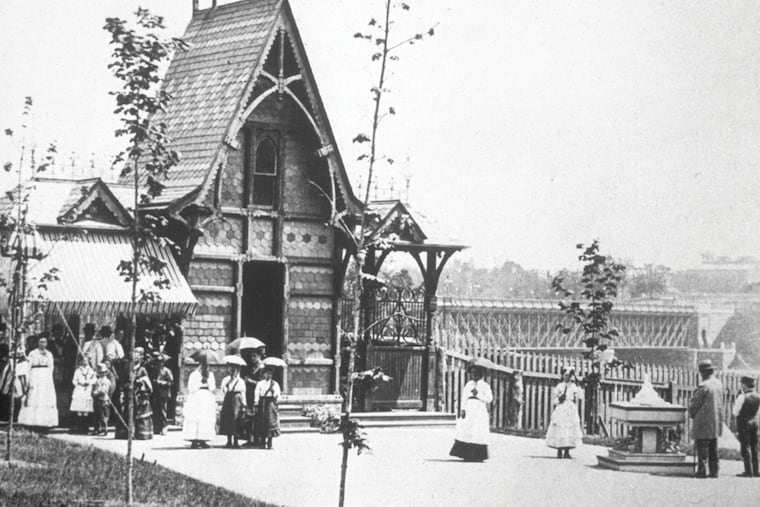
During his extensive travels to Europe, 19th-century doctor and Philadelphia socialite William Camac was impressed with the vast zoological parks he visited, especially the one in London.
He soon convinced his well-to-do cronies in the Union League, the Pennsylvania Academy of the Fine Arts, and the Franklin Institute to open a zoological garden in Philadelphia. And on March 21, 1859, the Pennsylvania state legislature passed a charter establishing the Zoological Society of Philadelphia.
Its purpose: to purchase and collect living and wild animals for public exhibition.
Organizers started building in earnest immediately, but the Civil War slowed down the process. (Camac served as a surgeon in the Union Army.) After the war’s end, in the late 1860s, the city granted the Zoological Society a lease to choose land. The society went with a 42-acre site in West Fairmount Park near the brand new Girard Avenue Bridge.
On July 1, 1874, America’s first zoo opened, in Philadelphia.
The Philadelphia Historical District will celebrate this moment Saturday at the Philadelphia Zoo. The party is part of the historic district’s weekly “Firstivals,” a yearlong recognition of places and events with Philly roots.
Admission to the Philadelphia Zoo on opening day was 25 cents for adults and 10 cents for children. The orchestra played as visitors strolled through the gardens.
Featured exhibits included a prairie dog village, that, according to a 1874 article in The Inquirer, “was not to be found in any other zoological garden in the world.” There was also a buffalo range, a beaver pond, alligators, and “five specimens of grizzly bears.”
More than 227,000 visitors arrived by foot, horse carriage, steamboat, and passenger train during the zoo’s first eight months.
Apart from being the first zoo, the Philadelphia Zoo boasts many of the nation’s other zoological firsts.
In 1901, the Philadelphia Zoo opened the world’s first-ever animal health research laboratory, where Charles B. Penrose pioneered the idea of giving zoo animals balanced diets.
In 1928, the first orangutan and the first chimpanzee to be born in an American zoo were born here.
In 1935, Ellen P. Corsen White formulated the first food for zoo animals, called Zoo Cake, which helped the zoo animals be less susceptible to disease.
In 1956, the first cheetahs to be born in an American zoo were born in Philadelphia.
In 1974, the Philadelphia Zoo and the Portland Zoo became the nation’s first officially accredited zoological gardens.
Even today, the Philadelphia Zoo continues to be run by the Zoological Society of Philadelphia. In 2009, it opened a state-of-the-art bird center, and in 2024, the Philadelphia Zoo celebrated its 150th birthday.
In 2025, Rory, a 4-year-old Amur tiger, and Rafferty, an 8-year-old Amur leopard, arrived in Philly as a part of the zoo’s endangered species survival program. It also welcomed 16 Santa Cruz Galapagos tortoises, which are a critically endangered species.
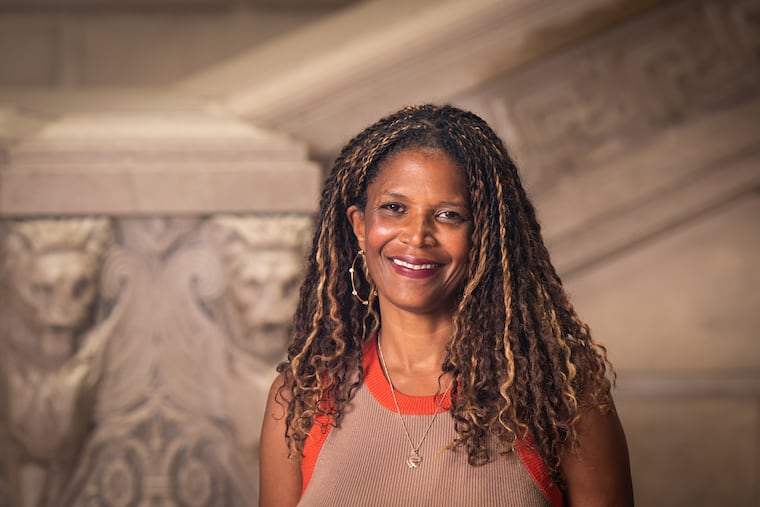
“The Philadelphia Zoo is a part of the fabric of this city,” said Jo-Elle Mogerman, president and CEO of the Philadelphia Zoo. “We have served as a window into the world of wildlife for generations.”
This week’s Firstival is Saturday, Aug. 8, 11 a.m.-1 p.m., at the Philadelphia Zoo, 3400 W. Girard Avenue.
The Inquirer is highlighting a “first” from the Philadelphia Historic District’s 52 Weeks of Firsts program every week. A “52 Weeks of Firsts” podcast, produced by All That’s Good Productions, drops every Tuesday.